Thursday, 20 March 2025

Master of Disguise: The Decorator Crab

Imagine yourself snorkeling through a lush kelp forest off the coast of Southern California. Sunlight filters through the dense canopy of the forest, casting shimmering patterns on the rocky seafloor below. The underwater world appears peaceful and still—until your gaze falls on what seems to be an ordinary-looking rock. 

Then… the rock moves.

At first, you assume it’s just the ocean’s current shifting the rock. But as you take a closer look, you realize it’s not a rock at all. It seems to be a crab, expertly hidden with bits of algae from its surroundings. Meet the decorator crab: a master of disguise and possibly the most stylish and secretive crab in our ocean.

What are decorator crabs?

Decorator crabs constitute several species of crabs that belong to the superfamily Majoidea, a group of crustaceans with a remarkable talent for camouflage. They use tiny, hook-like structures on their shells to attach pieces of algae, seaweed and other marine debris onto their bodies. But this isn’t just a quirky fashion statement—these natural accessories help decorator crabs avoid predators, like pacific halibut, octopuses and sea otters, by blending in with their surrounds. 

If they move to a new environment, decorator crabs will adapt their wardrobe to match. Some take their disguises a step further, attaching living organisms like sponges and venomous anemones to their carapaces—the hard upper shell that protects the crab’s vital organs. This not only helps the crabs blend in but also offers an extra layer of defense. Even when they shed their exoskeleton in a process called molting, some crabs will carefully transfer their decorations to their fresh shell.

Decorator Crab

You can also identify decorator crabs because they are decapods, meaning they have ten legs—two pinchers for feeding and four additional pairs of legs for walking. Decorator crabs are primarily omnivores and use their pinchers to pluck small algae out of crevices and off the sea floor. 

Decorator crabs are solitary animals for most of the year outside of mating season from May to September. You’ll find decorator crabs in shallow coastal waters around the world, from coral reefs and rocky shorelines to kelp forests, seagrass beds and tidal pools. You may have to keep a close eye out for decorator crabs, though, as their average size is only three to five inches across their leg span. 

How can you help decorator crabs?

While decorator crabs aren’t currently endangered, they depend on a thriving ocean to survive. Like all marine life, they face threats from pollution, habitat destruction and climate change. Protecting our ocean means protecting creatures like them.

Ocean Conservancy is dedicated to safeguarding our ocean from today’s greatest challenges, from plastic pollution to climate change. But we can’t do it alone. Visit the Ocean Conservancy Action Center to learn how you can help defend our ocean, its wildlife and the communities that depend on it.

The post Master of Disguise: The Decorator Crab appeared first on Ocean Conservancy.


from Ocean Conservancy https://ift.tt/Tob0OQs https://ift.tt/2VNK7fS

Wednesday, 19 March 2025

Indigenous Cultures and Environmental Management

Barbara ‘Wáahlaal Gidaak Blake is the Vice President for Ocean Conservancy, leading the Arctic & Northern Waters Program. A dedicated advocate for Indigenous rights and environmental stewardship, she has an extensive background in Alaska Native policy and governance, having served in key leadership roles at the state and tribal levels. With deep roots in Haida, Tlingit, and Ahtna Athabascan heritage, she is a passionate cultural practitioner and a committed leader. 

Our food is so much more than calories and nutrients. Our favorite dishes connect us to people, places and times that matter in our lives. For Alaska Native Peoples, our traditional foods do all this and more. For us, food is not just a matter of what we eat, but also the ways we gather that food, the ways we store and prepare it, and the milestones in our lives that center around food. It connects us to our ancestors, demonstrates a balance of care for our non-human beings (our kin in the natural world) and is our connection to our spirituality in maintaining that balance. 

Image Descriptions

Image 1: K’alaagáa Íihlangaa (Nathaniel) Blake harvesting salmon along a river in Dzantik’i Héeni (Juneau), Alaska.

Image 2: K’alaagáa Íihlangaa (Nathaniel) Blake receiving a Halibut Hook and listening to Tlingit teachings from his uncle Xeetli.éesh (Lyle) James. Xeetli.éesh was one of many leaders who stood to acknowledge this moment and gift knowledge and tools to aid K’alaagáa Íihlangaa as he grows in the responsibility to care and provide for his community.

Image 3: K’alaagáa Íihlangaa (Nathaniel) Blake, learning from his great great uncle, Dennis Demmert, how to clean, filet, and prepare a salmon.

Our ability to carry on our ways, to sustain the cultures and knowledge that have existed for countless generations, is too often minimized if not directly threatened by today’s systems of managing lands, waters, hunting, fishing and gathering. Understandably, caring for and stewarding our lands, waters and non-human relatives requires a holistic approach that honors the interconnectedness of the natural web of life. Keeping plant and animal populations healthy is an essential foundation for human life. Economics also factors in: What value do we gain from a healthy environment and what is the cost of keeping it that way? Culture, however, is all too often ignored.

In a recently published essay, Ocean Conservancy staff joined several Alaska Native authors and researchers who have long worked with Alaska Native communities, to explore what it would mean to place Indigenous cultures at the heart of wildlife and fisheries management. This is not to ignore ecology and economics, but simply to recognize that among many possible decisions, only some have the effect of supporting Indigenous cultural vitality and continuity. In other words, we have choices about who can harvest fish and animals, who can access lands and waters. Those choices matter. It is also a reminder that as we center the continuity of cultural relationships with the natural world, we are protecting the entire web for all who depend on continued harvesting for their ways of life. 

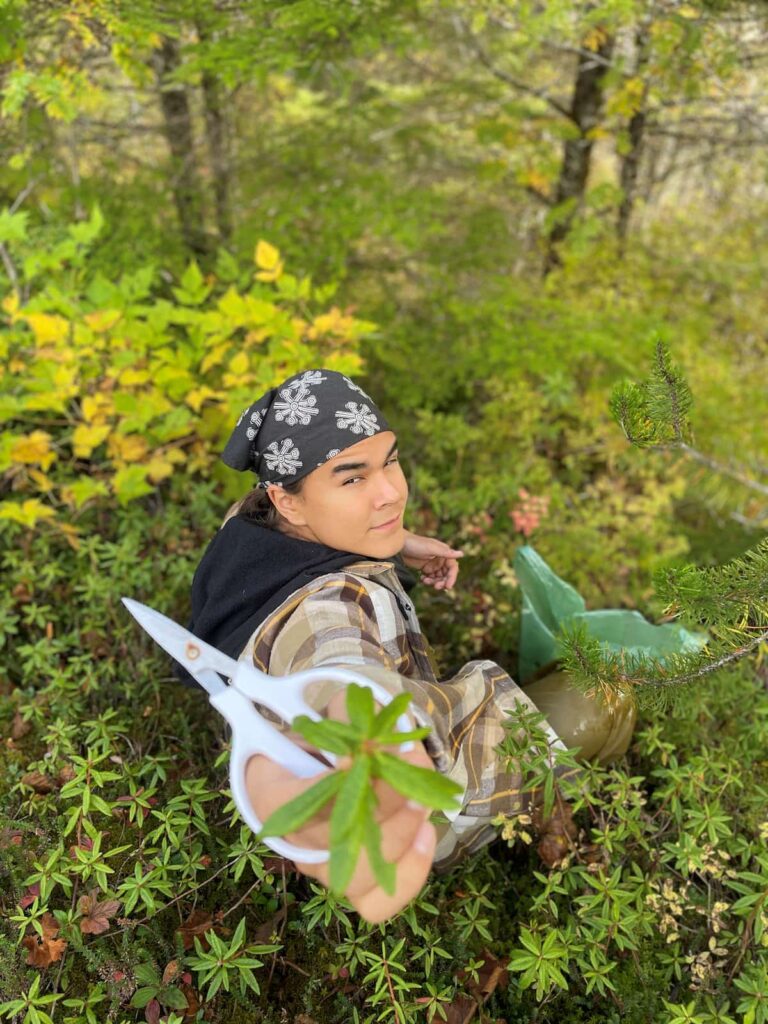
KI harvesting tea
K’alaagáa Íihlangaa (Nathaniel) Blake harvesting Gagán xil (Labrador tea) with his mother, grandmother, and little sister.

Long-term solutions require lasting, respectful relationships with our surroundings and all those with whom we share our planet. Indigenous Peoples have demonstrated what it takes to create and sustain those relationships for centuries and millennia. Today, more than ever, we need to pay close attention to those hard-won lessons. Making choices that celebrate and uplift cultural practices of Indigenous peoples is the best place to start. This approach is central to Ocean Conservancy’s Arctic and Northern Waters conservation work. Please join us in sharing these ideas with all who care about the future of our ocean.

The post Indigenous Cultures and Environmental Management appeared first on Ocean Conservancy.


from Ocean Conservancy https://ift.tt/wUP04Rc https://ift.tt/eNyF7Zz

Friday, 7 March 2025

We Need NOAA to Keep Fishing Communities Strong

The United States has long recognized the link between our ocean and our economy. For nearly 50 years, bipartisan congressional leadership has designed and built a world-class science and management system with the goal of conserving our living marine resources for the good of the American people. Today, the National Oceanic and Atmospheric Administration (NOAA) supports that vision by helping us better understand, predict and protect the ocean and coastal communities from threats that could upend our economy and our way of life. 

NOAA’s impact is especially felt in America’s fishing communities, which put billions of pounds of seafood on plates nationwide and provide millions of people with recreational opportunities. Through NOAA Fisheries’ essential science, enforcement and management, the United States has some of the most productive fisheries in the world—but that wasn’t always the case. 

Just a few decades ago, overfishing was rampant and many fisheries faced devastating stock collapses. Congress and past administrations worked together with industry, scientists and the public to build a better system with NOAA at the helm. Thanks to NOAA’s sustainable management, our fisheries are healthier and our seafood supply is safe. Today, its role is more important than ever as pollution, warming waters and industrialization threaten to push American fisheries back to their limit. 

NOAA provides critical science and support to fishing businesses and communities. NOAA’s fishery surveys and data collection efforts form the basis of our science-based fishery management system. Without this information, managers would not have the latest information and would be flying blind when setting catch levels for important stocks like pollock, salmon, red snapper, cod, tuna and more.

Since fishing is a deeply local industry, NOAA Fisheries has a presence in coastal areas across the country in order to better support community needs. The fishery management system that NOAA supports is a uniquely collaborative effort that empowers state managers, fishermen and others to contribute to fishery management so that decisions are tailored to the needs of fisheries in each region. The expertise of NOAA’s scientists, managers, liaisons, communicators and more helps ensure that NOAA’s science and decisions meet the needs of the fishing industry and fishing communities around the nation.

All parts of NOAA support the business of fishing and the seafood industry. Fishermen rely on accurate weather forecasts to make decisions about whether and where to fish and how to do so safely. NOAA provides nautical charts and tide information that support safe maritime navigation for fishermen and for the vessels that transport seafood around the United States and the globe. Coastal communities also need to know about hazards in the marine environment. Through NOAA’s work to understand red tides, fishermen and coastal visitors can avoid affected areas to ensure safe waters. 

Congress has long invested in the safety, stability and future wellbeing of communities across the country by supporting NOAA so that it can provide life-saving weather forecasting and emergency preparedness services, conduct scientific research and restore and maintain our coasts and marine resources for the benefit of the American people. Now more than ever, we need Congress to support NOAA’s critical programs and services. 

For more than 35 years, Ocean Conservancy has worked to find practical solutions to the challenging problems facing our fisheries. We have seen the impact NOAA has on ensuring we have healthy fish populations and thriving fishing businesses in the United States. Disrupting the regular and timely provisioning of these science and service products, whether it be through loss of critical staff and capacity, closing programs and offices, ending science and surveys, or other such cuts, will result in direct and lasting harm to coastal communities, businesses and the American people. Take action now to stand up for NOAA.

Ocean Conservancy is working to protect the ocean from today’s greatest global challenges. Together with our partners, we create evidence-based solutions for a healthy ocean and the wildlife and communities that depend on it.

The post We Need NOAA to Keep Fishing Communities Strong appeared first on Ocean Conservancy.


from Ocean Conservancy https://ift.tt/7fP2rg4

Thursday, 6 March 2025

Plastic Pollution’s Toll on Seabirds

This blog was co-written by Dan Berkson and Hannah De Frond. Hannah works with Ocean Conservancy and the University of Toronto Trash Team to manage the International Trash Trap Network (ITTN), a global network of local groups using trash traps to increase cleanup efforts, engage communities and inform upstream solutions. 

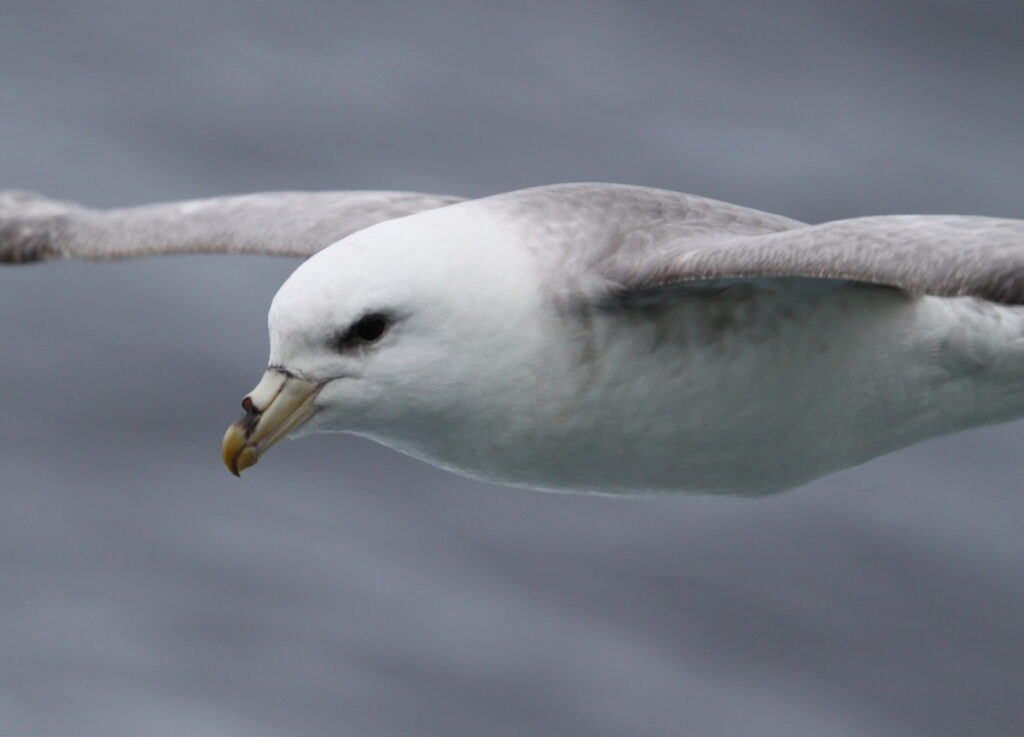
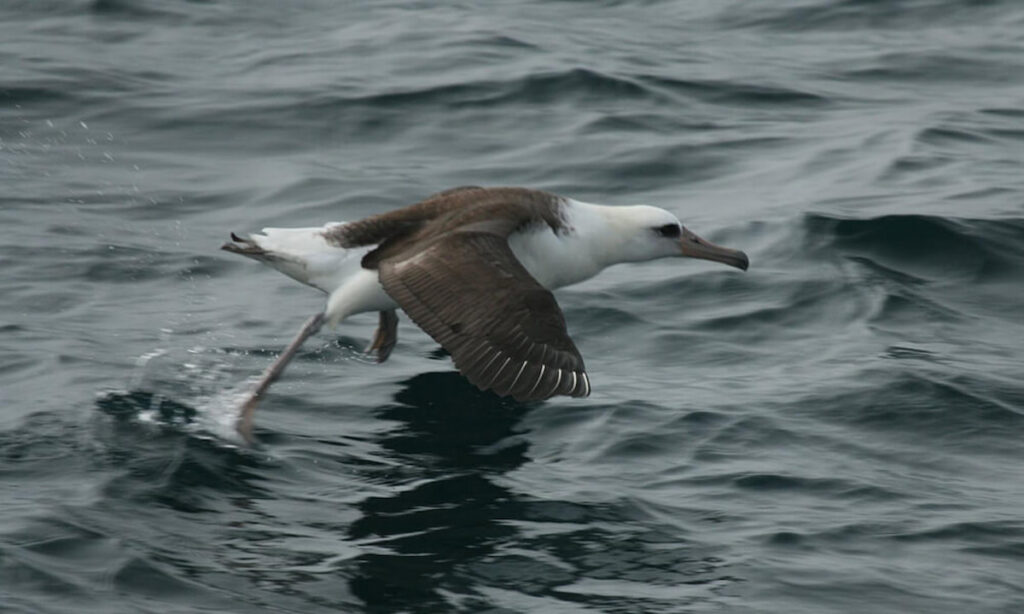
Plastic pollution devastates our ocean, and its impact on marine wildlife—especially seabirds—is severe and far-reaching. Seabirds breed on land but search for food at sea, bringing them into frequent contact with plastic pollution accumulating both along shores and in surface waters worldwide. Unfortunately, ingesting plastics can prove to be deadly for these amazing animals.

Eating plastics for seabirds can obstruct their digestive systems, preventing them from eating actual food, and leading to starvation. Sometimes it takes only one piece of plastic to block the passage of food. Plastic ingestion has been found in every family of seabird. Below are details on how some species are uniquely impacted by plastic pollution.   

Seabirds Northern Fulmar
Seabirds Laysan Albatross
  • Petrel: More than 50% of petrel species are listed as “threatened” or “near threatened” by the International Union for Conservation of Nature (IUCN). Petrels often inhabit areas with high concentrations of plastic pollution such as the high seas and mid-ocean gyres. Unlike other seabirds, they struggle to regurgitate plastic. This means the plastics they ingest tend to remain in their bodies for extended periods. 
Seabirds Petrel

What can you do?

If we fail to take action, studies predict that 99% of seabird species will ingest plastic by 2050, which is devasting given how vulnerable seabirds are to even the smallest amount of plastic. Ocean Conservancy is committed to protecting our ocean, wildlife and communities from plastic pollution. But we can’t do it alone. Here is how you can join the fight: 

  • Reduce plastic use: To tackle our plastic pollution crisis, we need to use less plastic. We can each do our part by avoiding single-use plastics where possible in our daily lives from carrying a reusable water bottle and bag to skipping a straw. These small actions add up and collectively reduce the amount of plastic waste we create, while sending a clear signal to plastic producers that we are fed up with single-use plastics. 
  • Clean up plastic pollution before it enters the ocean: Cleaning up plastic waste, whether on the beach, along a river, or in your neighborhood park, helps eliminate the likelihood that it will later be consumed by seabirds or other marine life. One of the best ways to do this is by joining the International Coastal Cleanup® (ICC). Use our map to find a coordinator planning a cleanup in your region. Want something closer to home? Team up with friends and family to clean up your favorite beach or beloved park. If you see plastic on beaches, shores or elsewhere, remember to clean it up—it could save a seabird’s life.

The post Plastic Pollution’s Toll on Seabirds appeared first on Ocean Conservancy.


from Ocean Conservancy https://ift.tt/t6x7cpz https://ift.tt/NcIQ6y0

Monday, 3 March 2025

Learnings from the National Working Waterfronts Networks Conference

I recently represented Ocean Conservancy at the National Working Waterfronts Network Conference in San Diego. The conference brought together maritime industry leaders, policymakers and community advocates, all working toward a shared vision for the future of our waterfronts.

As an engineer, former mariner and ocean conservationist I know that decarbonizing our ports requires cross-sector partnerships. The discussions throughout the National Working Waterfronts Network Conference reinforced how essential it is to bring together experts from engineering, policy and workforce development to drive meaningful change towards port decarbonization.

Throughout the conference, I discussed the need for a comprehensive, systems-level approach that integrates infrastructure investment, regulatory alignment and workforce development. Preparing the workforce for decarbonization is just as crucial as deploying zero-emission technologies. Investments in training programs and workforce development initiatives will equip maritime professionals with the expertise needed for the next generation of sustainable shipping. Collaboration among industry, government and educational institutions should also be used to create comprehensive training programs that align with emerging port technologies and regulatory requirements.

WOLF electric tug

Another highlight of the conference was seeing the eWolf. Designed by the marine company Cowley, the eWolf is the first fully electric tug in the United States. This cutting-edge vessel is 82 feet long and has a 70-ton bollard pull. It is powered by a 6-megawatt-hour battery system that eliminates emissions, equipped with onboard energy management systems to optimize power use and fitted with azimuth thrusters for enhanced maneuverability. This vessel drastically reduces harmful pollutants like nitrogen oxides, sulfur oxides and particulate matter, improving air quality for nearby communities while maintaining the performance required for commercial operations. It takes bold industry players like Crowley to lead the way toward port decarbonization—and, let’s be honest, eWolf is just a cool name.

WOLF electric tug

I left the National Working Waterfronts Network Conference with a deeper appreciation for the professionals working to ensure our waterfronts remain vibrant, resilient and sustainable. The challenge ahead is clear: How do we scale these innovations while maintaining the economic viability of our ports and coastal industries? 

The answer lies in open collaboration among industry leaders, policymakers and communities, accelerated adoption of zero-emission technologies, strategic investments in clean-energy infrastructure and bold decision-making prioritizing sustainability and economic growth. That’s why Ocean Conservancy is spearheading projects like the Green Ports Interactive Funding Tracker—an innovative resource that aims to empower port authorities, environmental managers and sustainability experts by providing real-time updates and comprehensive insights into available funding.

Now is the time to turn conversations into action. Ocean Conservancy is committed to working alongside partners across the maritime industry to drive a cleaner, more sustainable future. Take action now to help Ocean Conservancy address today’s biggest threats to our ocean, including the climate crisis and plastic pollution.

The post Learnings from the National Working Waterfronts Networks Conference appeared first on Ocean Conservancy.


from Ocean Conservancy https://ift.tt/Hz5wCo1 https://ift.tt/I6aTjJp

Wednesday, 26 February 2025

The Truth About Plastic Fragments

This blog was written by Hannah De Frond. Hannah works with Ocean Conservancy and the University of Toronto Trash Team to manage the International Trash Trap Network (ITTN), a global network of local groups using trash traps to increase cleanup efforts, engage communities and inform upstream solutions. 

During coastal cleanup events, no matter where you are in the world, chances are you’ll encounter plastic items like bottles, bottle caps, straws and packaging. However, plastic fragments that are smaller and more difficult to see may be difficult to see within the sand or soil. 

Plastic fragments are small hard pieces of plastic, typically formed as larger plastic items that break up in the environment. As plastics are exposed to sunlight, waves and winds, they become brittle, crack and break into pieces. With each item of plastic that enters the environment, there is the potential for it to break into hundreds or even thousands of fragments. Due to its small, lightweight nature, each fragment moves differently in the environment and can have a totally different fate. Some fragments get washed into the ocean and float on the surface or sink to the ocean floor, some become buried in a sandy beach, and some are blown further afield with strong winds.

Plastic fragments are found in many environments, including lakes, rivers, terrestrial sediments and coastal marine environments. Plastic fragments are removed each year in the “tiny trash” collected during Ocean Conservancy’s International Coastal Cleanup®. They are among the top 10 items reported by groups in the International Trash Trap Network, an initiative co-led by Ocean Conservancy and the University of Toronto Trash Team, using technologies to clean up our waterways. 

One study in Brazil found 2,661 fragments in a 100-meter section of beach. Plastic fragments are also frequently reported in studies of plastic ingestion by wildlife such as fish, seabirds and turtles. Ingested plastic fragments can cause tissue damage and inflammation and can concentrate harmful chemical pollutants which have the potential to leach out inside the gut, negatively impacting animal health. 

Just like other large plastic items, plastic fragments also undergo environmental weathering which causes them to break apart into even smaller pieces—microplastics (<5mm) and eventually into nanoplastics (<100nm). These micro- and nano-sized fragments are frequently found in the environment and, due to their size, are easily ingested by wildlife. One analysis of scientific research to date revealed that fragments are ingested by 19% of fish globally. 

Plastic Fragments

To reduce plastic fragment pollution, we need to tackle the problem at the source by reducing the production and use of larger plastic items, like single-use plastics, from which fragments are generated. This includes commonly used polluting items like plastic bottles, straws, food containers, cups and plates. By reducing our plastic waste, reusing as much as possible and recycling when possible, we can, collectively, have a huge impact.

Both Ocean Conservancy and the University of Toronto are deeply committed to ridding our ocean and planet of insidious and harmful plastic pollution through efforts like the International Trash Trap Network and the International Coastal Cleanup. Please join us in ensuring that our ocean and waterways are not overrun by microplastics or any form of plastic pollution.

The post The Truth About Plastic Fragments appeared first on Ocean Conservancy.


from Ocean Conservancy https://ift.tt/ra0hjn4 https://ift.tt/tUrnxsh

Wednesday, 5 February 2025

How Recent Executive Actions Impact Our Ocean and Climate

On the first day of his second administration, January 20, 2025, President Trump undertook a flurry of executive actions, many of which jeopardize a healthy ocean and the health of the people and wildlife that rely on it. 

Presidents can direct the work of the federal government using authority given to them by either the U.S. Constitution or a law passed by Congress. When a president decides to use this authority, they share their decision through executive actions like Executive Orders, Presidential Memoranda or Presidential Proclamations. The Outer Continental Shelf Lands Act, for example, is a law passed by Congress, and one of the authorities this law gives to the president is the authority to stop areas offshore from being leased to companies for resource extraction, like oil and gas or minerals, thereby protecting them from these harmful activities. Examples of authorities presidents have from the Constitution include sharing information on the state of the union with Congress and granting pardons for federal crimes. 

Recent executive actions from President Trump, explained below, undo significant ocean conservation measures and halt or reverse climate action that protects us and future generations from pollution, extreme weather caused by the climate crisis, and the loss of natural resources foundational to coastal economies, heritage and cultures. 

  • Executive Order 14162 withdraws the United States from the Paris Climate Agreement and any associated international climate agreements. It also ends U.S. financial and other assistance to global efforts to reduce greenhouse gas emissions and help communities and ecosystems adapt to the effects of climate change. (Putting America First in International Environmental Agreements)

Why it matters: The United States is the largest historical emitter of greenhouse gases and still makes the top three list for most annual emissions. We cannot address climate change and protect the ocean without action from the largest emitter.

Meeting the Paris Agreement targets helps stabilize climate systems, ensuring our ocean continues to sustain biodiversity, provide essential ecosystem services and buffer against climate impacts. Scientists indicate that every 0.1°C temperature increase poses greater risks for the planet, such as longer heatwaves, more intense storms and increased wildfires. The 1.5°C target of the Paris Agreement was established due to strong evidence suggesting that the impacts will become significantly more extreme as the world approaches 2°C or higher. Some changes may become irreversible.

According to the Intergovernmental Panel on Climate Change (IPCC), the consequences of 2°C global warming versus 1.5°C could include:

  1. Sea-level rise would be 0.1m higher than at 1.5°C, exposing up to 10 million more people to more frequent flooding.
  2. More than 99% of coral reefs would be lost, compared with 70-90% at 1.5°C.
  3. Several hundred million more people may be exposed to climate-related risks and susceptible to poverty by 2050 than at 1.5°C.

Why it matters: Climate change is the biggest threat facing the ocean. To address it, we must reduce greenhouse gas emissions while still producing energy to meet our growing electricity needs, including for heating or cooling homes and cities. Offshore wind is one of the most effective and reliable solutions to meet Americans’ needs for clean, domestically produced energy. In fact, offshore wind alone has the potential to generate more than five times what the United States consumes in electricity each year. This clean ocean energy source has already led to billions of dollars of investments in American communities, supporting thousands of jobs along the coast and inland. 

As our country’s energy demand increases, offshore wind provides a clean alternative to support Americans without the harm of dirty offshore drilling. Offshore wind is being developed responsibly, avoiding impacts to marine life and ecosystems along our coasts. Ocean Conservancy will continue to collaborate with federal and state governments, scientists, industry, conservation advocates and others to safely switch to clean ocean energy to protect our ocean and planet, forever and for everyone.

Why it matters: Former President Biden and other past presidents used their executive authority to place waters off the Pacific Coast, the Atlantic Coast and in the Bering Sea and Arctic Ocean off-limits to new leasing for oil and gas development. This protection helps ensure these areas will not be subject to damaging oil spills that accompany oil and gas development. It also helps prevent harmful emissions that will worsen the impacts of climate change. President Trump’s Executive Orders 14148 and 14154 attempt to rescind these protections, paving the way for risky drilling that threatens the people and wildlife that depend on clean and healthy marine ecosystems and coasts. Not only that, in 2019, a federal court ruled that the president does not have the authority to rescind these protections.

  • Executive Order 14154 freezes the payment of funds promised by two laws, the Inflation Reduction Act and the Infrastructure Investment and Jobs Act (also known as the Bipartisan Infrastructure Law). This Executive Order also includes numerous other provisions to promote fossil fuel development while ending government actions aimed to mitigate climate change. (Unleashing American Energy)

Why it matters: The Infrastructure Investment and Jobs Act (IIJA) and the Inflation Reduction Act (IRA)are the two most important recent laws to enable the U.S. to tackle climate change and allow for a responsible, rapid and just transition to clean energy. By freezing their funds, this Executive Order stops billions of dollars of energy, environmental and climate spending, including freezing money that had already been promised (“obligated”) but not yet paid (“disbursed”). The IIJA provides billions of dollars for improving regional ocean planning, addressing marine debris, investing in coastal resilience, supporting renewable energy, enhancing grid reliability and reducing emissions at ports. The IRA represents the single largest investment in climate change solutions in the history of the U.S. The law includes significant ocean-climate action, including critical tax incentives for offshore renewable energy that aim to level the playing field with fossil fuels, which have been subsidized in the U.S. for over a century. Revoking these promised funds risks our clean ocean energy transition.

At Ocean Conservancy, we are clear-eyed about what is needed to protect our ocean, and that includes moving away from dangerous fossil fuels toward 100% clean ocean energy. We will continue to work with partners domestically and abroad to meet our climate goals and protect the ocean we all depend on. Take action with Ocean Conservancy and join the movement to protect our ocean, forever and for everyone.

The post How Recent Executive Actions Impact Our Ocean and Climate appeared first on Ocean Conservancy.


from Ocean Conservancy https://ift.tt/DtSwrn6

COP31 Must Deliver for Our Ocean

Our ocean is bearing the brunt of the climate crisis, but it is also where communities are adapting, and major opportunities for a clean en...