Thursday, 14 January 2021

Celebrating the Passage of the Save Our Seas 2.0 Act

Before we completely turn the page on 2020, let’s take a moment to savor a notable victory we achieved in the fight against marine debris and the proliferation of plastic pollution.

In the waning days of this turbulent year, Congress approved and the president signed into law the Save Our Seas 2.0 Act. Referred to as SOS 2.0, this bill was the most substantial federal legislation enacted to date to address the growing threat of plastic pollution that too frequently escapes into the world’s waterways and ocean. In a highly polarized Congress and divided Washington, SOS 2.0 defied convention and drew bipartisan support for addressing this environmental threat. A testament to that support is the fact that both the House and Senate passed SOS 2.0 unanimously by voice vote!

SOS 2.0 strengthens the NOAA Marine Debris Program’s ability to engage in the fight against marine debris and plastic waste, especially lost and abandoned fishing gear (also known as ghost gear). It calls for robust scientific studies that will close the knowledge gaps in a variety of areas, particularly in how prevalent microplastics and microfibers are in our drinking water and food. It begins addressing the real issues with our recycling systems. And it makes clear it is the responsibility of the United States to work with other nations to confront this growing threat to the health of our ocean—an important signal to the world that we are ready to be a productive partner in this fight.

capitol
© Louis Velazquez

Since first introduced, we at Ocean Conservancy have been clear that SOS 2.0 represents an important step forward to tackle plastic pollution, but it isn’t a cure-all. More needs to be done—we need to prioritize phasing out unnecessary single-use plastics and reducing the amount of plastic waste we generate. We also need to advance policies that will move us towards a more circular economy, while also taking bolder action to confront the incredible volumes of microfibers and microplastics in the environment. These types of plastic pollution may be small and often overlooked, but they are no less impactful on the health of our ocean.

However, this shouldn’t stop us from celebrating the passage of SOS 2.0—a great victory despite the considerable political headwinds working against it. And a victory made possible because of the tireless advocacy of many members of our Trash Free Seas Alliance and because folks like you used your voice to let your elected officials know it was time to act.

Let’s enjoy the win, and let’s get ready to encourage Congress to take even bolder action in 2021!

The post Celebrating the Passage of the Save Our Seas 2.0 Act appeared first on Ocean Conservancy.


from Ocean Conservancy https://ift.tt/3bEfrun https://ift.tt/eA8V8J

Wednesday, 13 January 2021

Throwing the Ocean Carbon Sink at the Climate Crisis

This blog was co-written by guest blogger, Oswald Schmitz. Oswald is Professor of Ecology in the Yale School of the Environment. He is a former member of Ocean Conservancy’s Board of Directors and continues to serve in a science advisory capacity. His current research and conservation interests center on developing nature-based climate solutions.

There is something exhilarating about seeing a whale announce its return from the ocean depths by blowing a plume of warm breath into the air. It marks the end of a dive cycle in which these gentle giants descend to the ocean depths to capture prey and return to the ocean surface to catch breaths of fresh air and rest. And, while resting near the surface, they also release another kind of plume into the water in the form of fecal matter. These fecal plumes are rich in nitrogen and iron providing marine algae living in the sunlit surface waters the supplies of nutrients essential to drive photosynthesis, and thereby convert carbon dioxide (CO2) that has been absorbed into the water from the atmosphere into “living carbon.”

The oceans are replete with plants and animals that can help mitigate climate change by removing and retaining a portion of CO2 from the atmosphere. For example, marine algae, the ocean’s mightiest CO2 consumer yet, is also one of its smallest, converting upwards of 42 gigatons of the gas into living plant biomass each year. This is a huge number, approximately 1.5 times more CO2 than all that is released in the emissions from fossil fuel burning by the top 20 emitting countries globally. But not all of that carbon stays in the ocean, otherwise, a big piece of our climate change problem would be solved. But we can take steps to help maximize carbon retention in the ocean.

The next decade presents a formidable challenge to reducing the build-up of greenhouse gasses in the atmosphere by 7.6 percent per year if we hope to keep the planet from warming more than 1.5°C above pre-industrial levels and avoid irreversible harm. Arresting human-caused emissions by decarbonizing the economy is a key and immediately obvious solution. However, enlisting the roles of marine species and sediments as part of a portfolio of “natural carbon solutions” may further help us to lower the risk of overshooting the 1.5°C threshold. Indeed, research on animal effects in a wide variety of terrestrial, freshwater and marine ecosystems reveals that animal species greatly influence carbon uptake and storage within those ecosystems. Clearly, there is much untapped potential in the world’s living creatures.

As an advocacy organization, Ocean Conservancy works to identify and advance science-based solutions to environmental threats. The organization has been exploring the extent to which implementing nature-based ocean strategies are a realistic—and impactful—option for mitigating climate change. Ocean Conservancy has interviewed more than a dozen scientists and policy experts to dive deeper into this opportunity. These experts agree that the ocean has a vital role to play in mitigating climate change. But they note that there are still considerable hurdles that need to be overcome at the nexus of science and policy to better understand the opportunities and limitations for integrating natural ocean carbon sequestration into a policy portfolio for mitigating climate change. Here are a few examples:

  • Marine sediments are a huge repository of organic carbon. But agitating sediments exposes the carbon to oxygen, resulting in some of its conversion back to CO2 that could circulate back up to the ocean surface and be released to the atmosphere. Scientific analyses are still needed to quantify the amount of carbon that is reactivated by bottom trawling, deep-sea mining and similar activities in different parts of the ocean so that countries can prioritize and protect areas that hold the highest storage potential.
  • Biodiversity primes the carbon pump. An ecosystem with a wide variety of marine life and a healthy balance of predators and prey species may improve the capacity of the ocean to take up, store and reuse carbon. A case in point is the food chain in which sea otters that prey on sea urchins prevent the urchins from devouring coastal marine kelp forests, which normally draw down, store and transfer CO2 to the deep ocean. A better understanding of other such food chain effects— and biodiversity in general—on carbon storage, especially in the deep ocean, is needed to develop effective policy to conserve marine biodiversity in service of climate goals.
Oceanic Blue Carbon
Oceanic blue carbon includes the carbon stored through the actions of marine life, from krill to whales. Understanding how marine vertebrates contribute to carbon storage can help recognize their potential role in climate change mitigation. © GRID Arendal
  • Fishes are a critical component of the ocean carbon pump machinery. Recent estimates show that since 1950 industrial fisheries have removed 318 million metric tons of certain large-bodied fish such as tunas and mackerels. This is equivalent to releasing 37.5 megatons of fish-embodied CO2 from the ocean. And this estimate may only be the tip of the iceberg. Fishes living in the middle depths of the ocean might account for as much as 10% of carbon transfer from surface waters to the deep ocean. This role of ocean biology is something that ocean carbon models do not yet adequately incorporate. Furthermore, there needs to be an accounting of the large amount of carbon contained in calcite, the hard-mineral body parts that fish create, which sink to the deep ocean and accumulate in seafloor sediments. The global carbon bound up in calcite produced by fish and echinoderms is equivalent to the amount of carbon emitted from the burning of fossil fuels by the countries of Brazil, the UK and Australia.
  • Marine protected areas (MPAs) may be able to protect ocean carbon stores. Protected areas were originally developed to help ensure breeding stocks of fishes and other species remained healthy and could provide a sustained supply of catchable fish outside of the protected area boundaries. But MPAs may also serve a new purpose. By preventing human activities, such as industrial fishing or seafloor disturbance, enhanced marine biodiversity and undisturbed marine sediments could more effectively store carbon within MPAs. But the amount of carbon stored in existing marine protected areas is still largely unknown because these tools are currently not considered a potential carbon sink solution.
  • Certain fishing strategies can help enhance ocean carbon storage or avoid carbon loss. Rebuilding fish stocks, reducing fish discards and avoiding bottom trawling in areas with carbon-rich sediments can retain and perhaps increase carbon stored in ocean systems. Going forward, fishery management strategies and catch rates could be tuned to balance the provision of edible protein with the removal of carbon sequestration services. Implementing such an approach depends on appropriate carbon pricing and devising equitable ways to compensate fishermen for contributing to carbon storage.

In addition, through these interviews with experts, we have identified two concrete actions that would advance the field and address key disconnects in international governance:

  • The Intergovernmental Panel on Climate Change (IPCC) provided guidance on the inclusion of wetlands in national greenhouse gas inventories in 2013 and the IPCC’s Sixth Assessment Report Working Groups (WG) are now assessing the state of knowledge on ocean carbon sinks and carbon sequestration by natural and engineered systems more generally (WGI, WGII, WGIII). We recommend a special focus on the 6th Assessment report being written now (or a special report by IPCC in the 7th Assessment Report cycle) to assess the most recent evidence on biological carbon storage, the role of biodiversity and greenhouse gas inventory methods relevant to natural systems. This synthesis of evidence and existing methodologies will support decision-makers’ work to integrate the ocean into climate mitigation policy, including into Nationally Determined Contributions.
  • Further action is needed to create coherence across ocean and climate regimes, a major topic of discussion at the recent United Nations Framework Convention on Climate Change (UNFCCC) Dialogue on the Ocean and Climate Change mandated by the last UN climate summit. Toward this objective, we recommend a “bridging agreement” be co-developed by the UNFCCC Paris Agreement, Convention on Biodiversity Diversity and United Nations Convention on the Law of the Sea. Such an agreement is needed to recognize and protect the role of ocean life in drawing down ocean carbon and avoiding carbon loss in the future. This bridging mechanism would formally acknowledge and enhance the common interest of each agreement by requiring biodiversity protections in the ocean as a climate mitigation strategy. Ideally, this policy bridge would be complete before the IPCC synthesizes the science on nature-based carbon storage in either the 6th or 7th Assessment reports and the collective goal-setting by each entity begins.

Stabilizing the climate will require throwing everything we have at the crisis, including a societal transition away from fossil fuels to renewable energy. But preserving and enhancing natural carbon sinks, including those on land and in the ocean, must be part of this global effort. The ocean alone cannot solve the climate crisis but the ocean can be a vital part of the solution if humanity strives to protect the marine biodiversity and habitats that are most important to drawing down and storing the carbon found in the living ocean.

The post Throwing the Ocean Carbon Sink at the Climate Crisis appeared first on Ocean Conservancy.


from Ocean Conservancy https://ift.tt/39qxqSd https://ift.tt/eA8V8J

Tuesday, 12 January 2021

Morays are Kind of a Big Eel

Whether you’ve seen one while scuba diving or while watching Disney’s The Little Mermaid, you can probably identify an eel when you see it. But did you know there are lots of different types of eel? Eels are elongated fish found in the order Anguilliformes, which contains 19 families and hundreds of species.

Today we’re diving into one of the more well-known types of eel: the moray. We hope that by the end you’ll be f-eel-ing great about your new-found moray knowledge.

What are moray eels?

A moray is a type of eel found in the family Muraenidae. There are about 200 recognized species within the family, with new species being discovered today. In fact, a 2020 study described a new species of undulated moray called Gymnothorax elaineheemstrae, which was previously thought to be grouped together with another species.

Morays are found in tropical and subtropical zones and like to hide in the crevices of coral reefs or rock piles. Almost all species spend all their time in ocean habitats, but some will venture into brackish or freshwater.

What do moray eels look like?

Morays are recognizable by their long bodies that are laterally compressed, meaning their sides are flattened (similar to the sides of other fish you might find on the reef, like butterflyfish). The smallest species are less than a foot long, while the largest species—the giant moray—can grow to almost 10 feet.

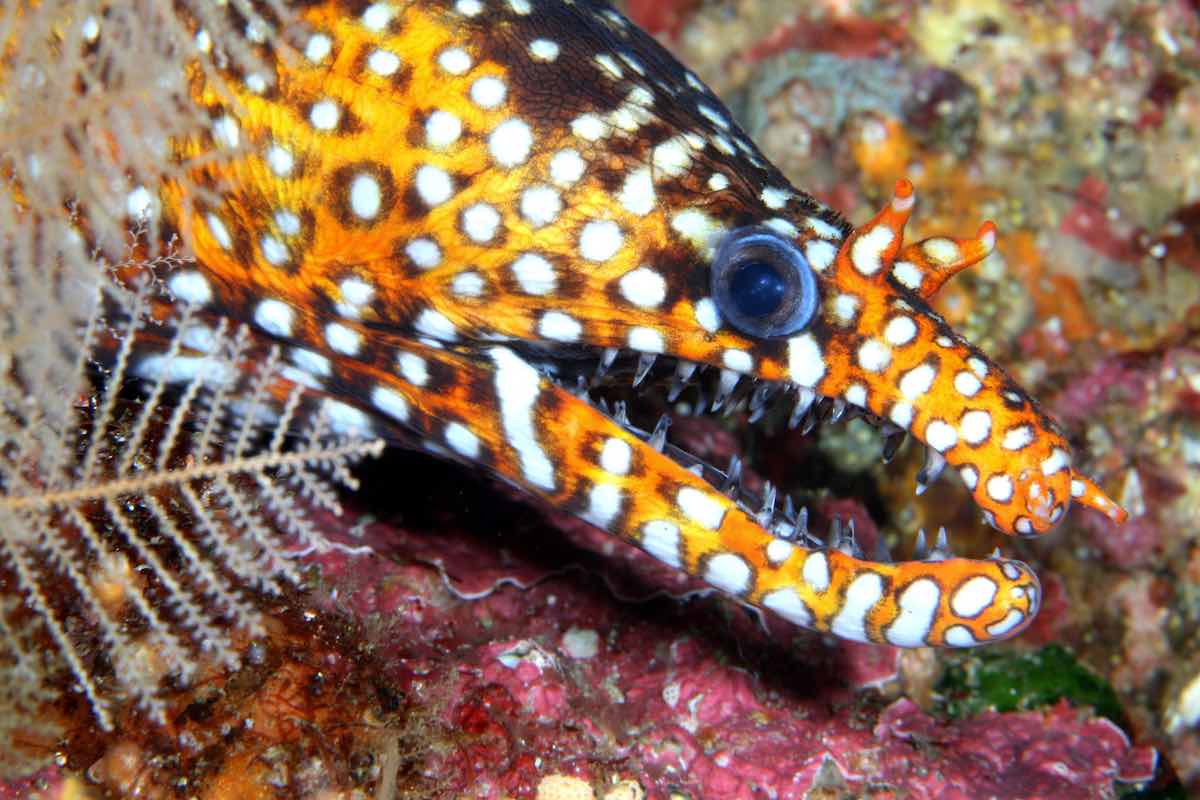
Moray eels can come in a range of colors, from dark green (popularized by the sneaky characters Flotsam and Jetsam) to bright yellow and orange. The leopard moray, found in the Indo-Pacific region, has vibrant orange and brown stripes and spots that rival any other colorful fish on the reef. Similarly, the spotted moray, which is a staple in the Gulf of Mexico, Caribbean and Atlantic, has striking black and brown spots on its cream-colored body.

3894864669_fd781e7ed3_ksm
© Klaus Stiefel / Flickr

What do moray eels eat?

Moray eels are fierce predators and occasional scavengers. Let’s just say you do not want to be staring down the mouth of a moray. They have powerful teeth that help them rip apart their prey: some species have long, sharp teeth that are great for fish and cephalopods, others have duller, wider teeth that are perfect for crushing crustacean shells.

But wait, there’s more! As if one set of teeth isn’t enough, moray eels have a second set of jaws nestled in the back of their throats. These jaws, also known as pharyngeal jaws, latch onto the prey after it’s caught in the larger jaws, and pull it back towards the eel’s esophagus. It’s an adaptation straight out of an Alien movie.

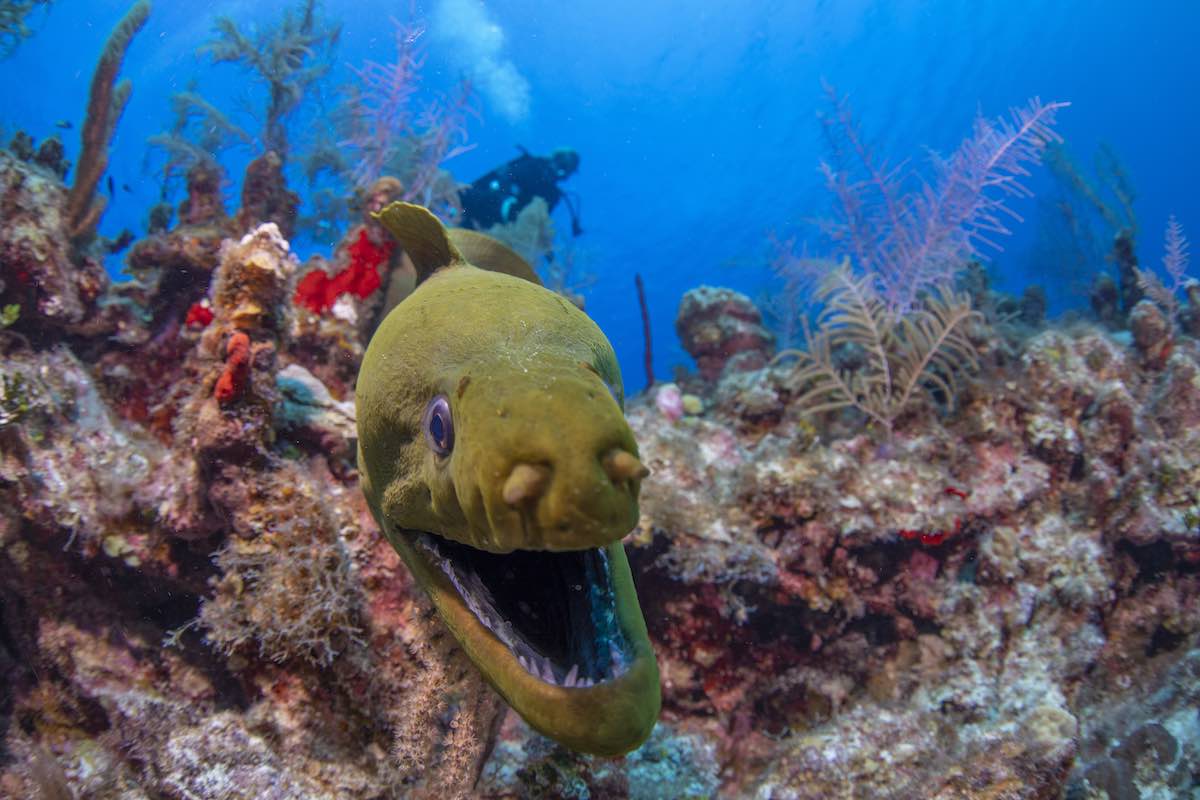
Often, divers can get a great view of moray teeth (from a distance, of course). They can be seen sticking their head out of their hiding holes with their mouth wide open. Although this can look threatening, they rarely bother divers—unless they’re bothered first. As with all underwater creatures, it’s best to keep your distance and admire from afar.

There you have it—hope you’ve had an eel of a good time learning fun facts about moray eels. Now go forth and share your Muraenidae knowledge with the world!

Can’t get enough eels? Learn about the difference between true eels and electric eels, or read about the weird and wonderful deep-sea gulper eel.

ImageBank_Eels_JasonWashinton_01sm
© JASON WASHINGTON / CORAL REEF IMAGE BANK

The post Morays are Kind of a Big Eel appeared first on Ocean Conservancy.


from Ocean Conservancy https://ift.tt/3oEQtyn https://ift.tt/eA8V8J
Monday, 11 January 2021

Microplastics Are Found at the Earth’s Deepest Trough and Highest Peak

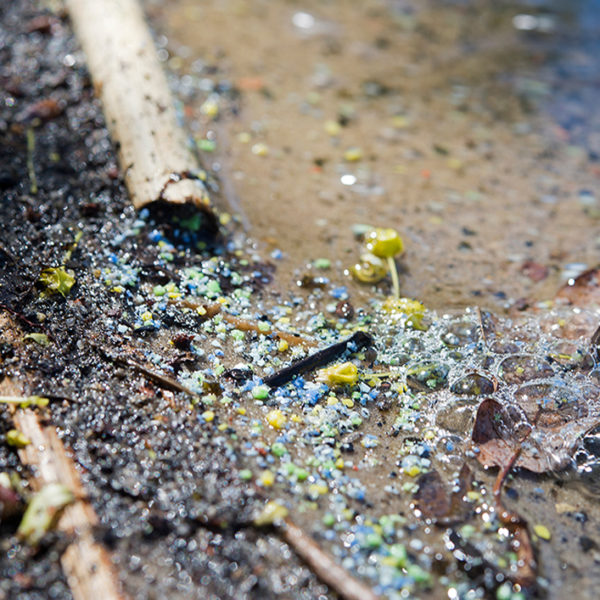
By now, we are sadly familiar with the trash we see on beaches and in our ocean. Photos of sea creatures living among plastic bottles or plastic bags littering once pristine beaches abound in the news and in our social media feeds. In addition to all of the plastic pollution we see, there’s a lot that we don’t see. Microplastics are not as easily seen but their impact is still profound. They have been found in some of the most remote places in the world and are dangerous to the health of our ocean.

The term “microplastics” was coined in 2004 to describe tiny plastic particles that either degraded from larger materials or those that were intentionally manufactured at a very small size fraction. Since the term was coined, thousands of scientific studies have identified microplastics in the environment—even in far-flung and unexpected locations. Plastic pollution now pervades not only marine and freshwater ecosystems but also land and air.

environment-microplastics-in-water
© BAM

Research published in 2018 reported plastics in the Mariana Trench, the deepest point in the world’s ocean. In 2020, microplastics were discovered on remote reaches of the Tibetan plateau and atop Mount Everest, the world’s tallest peak—consequences of both localized tourism and microplastics entrained in the global microplastic cycle traveling long distances. Further evidence of the astounding reach of human-made microplastics was put forth when microplastics were reported at a high altitude within and above the planetary boundary layer. These findings add to a growing body of scientific literature illustrating that no place on (or above) Earth is immune to plastic pollution.

Microplastics are well-documented to be consumed by animals of innumerable sizes, shapes, species and habitats. Laboratory studies have shown microplastics ingested by animals can cause an array of impairments ranging from changes in behavior to DNA damage, altered metabolism, decreased growth, reproductive harm and mortality. As humans, we are exposed to microplastics through food, beverages and the air we breathe. Two studies published late last year identified microplastics in the human digestive system and human placenta. While the extent of microplastic pollution is vast, our knowledge on the topic remains quite narrow. Scientists are working hard to characterize the specific risks of microplastic uptake and movement through food webs as well as risks posed to humans.

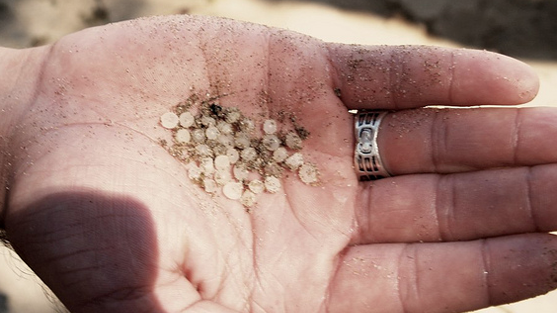
The incredible scientific effort to understand the sources, transport pathways, fate, prevalence and impacts of microplastics have yielded important actions that attack the plastic pollution problem from different angles. An array of microplastic capture technologies have been developed to collect tire wear particles and contain textile fibers released in the wash. Regulations aimed at reducing or eliminating the transmission of microplastics into the environment, like microbeads in rinse-off products and microfibers from textiles, have already been enacted—microbead bans are active in several countries including the United States, Canada, the United Kingdom, Korea and New Zealand, with more countries working to follow suit. Efforts to limit transmission of synthetic microplastic fibers from laundering clothing have similarly been passed; for example, France will require new washing machines to have built-in fiber filters starting in 2025. Other legislation to prevent the loss of primary plastic pellets (also known as “nurdles”) from production facilities is also being pursued.

nurdles_sustainable-coastlines.png
© Sustainable Coastlines flickr stream

While these regulations are key to addressing the plastic pollution crisis, there is still much that needs to be done to better protect our planet against this threat. You can help by asking your representatives to take action to fight ocean plastic and start reducing waste at home by taking our Trash Free Seas® Challenge. We need ocean advocates, like you, to help push for policies and innovations that can help keep plastics out of our ocean.

No matter how small the plastics, your action yields a big impact for ocean health.

The post Microplastics Are Found at the Earth’s Deepest Trough and Highest Peak appeared first on Ocean Conservancy.


from Ocean Conservancy https://ift.tt/39stfFD https://ift.tt/eA8V8J
Friday, 8 January 2021

10 Ocean Photos to Kickstart 2021

Navigating the rocky waves of this past year was no small feat, but despite the many challenges we and our ocean have faced, the new year is looking bright.

Cast aside the bad vibes of 2020 and kickstart the new year with a few sea-sational ocean images. There’s no better place to turn for a boat-full of hope and inspiration than our ocean. From beach sunsets and exotic shorelines to playful wildlife and exciting discoveries, our ocean has something for everyone.

Whether you’re looking to energize the start of the new year or find a sense of calm, here are 10 marine photos to help inspire and bring tranquility to your 2021:

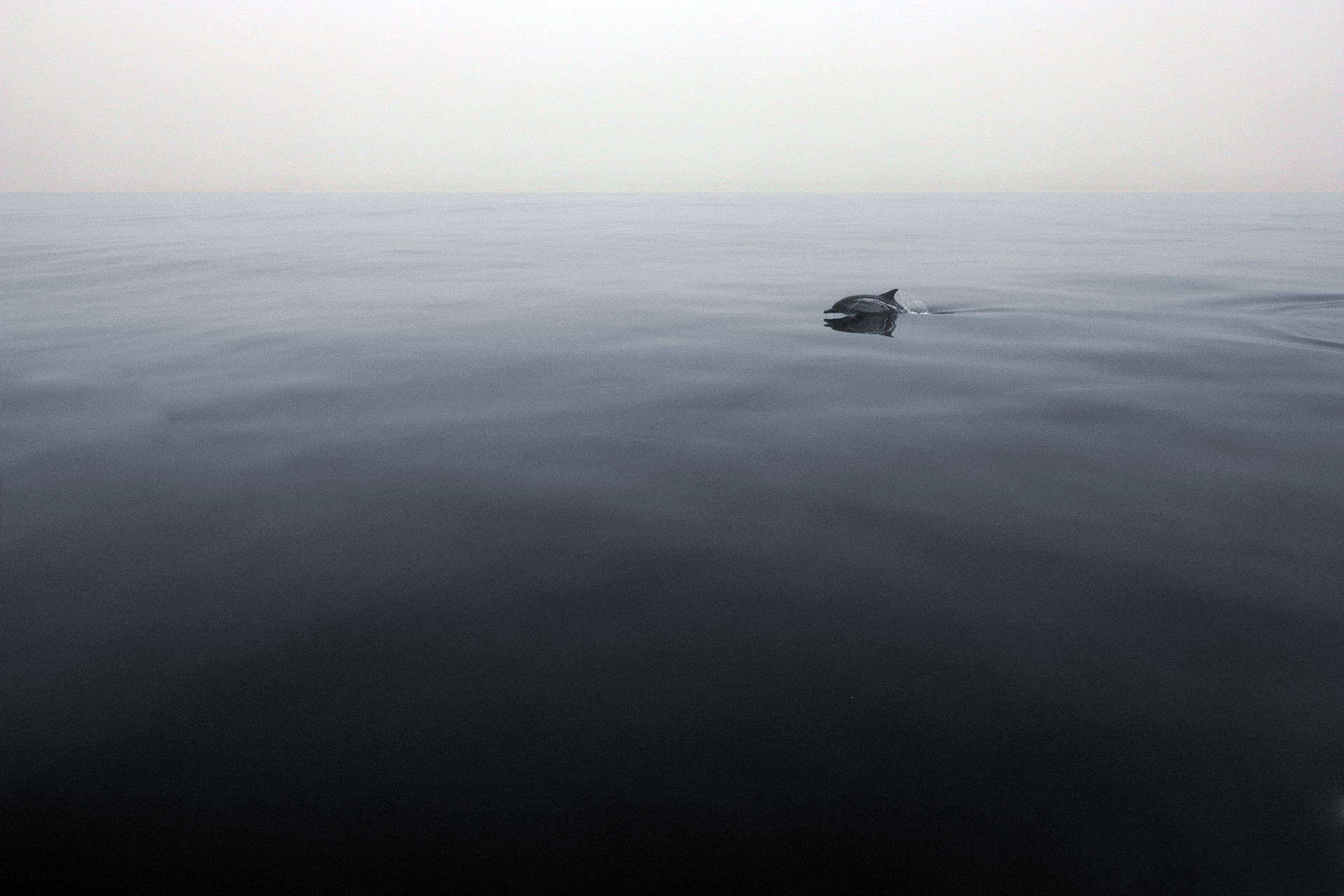
TheGuardian_Robin_Benson
© Robin Benson

Is there anything more peaceful than the calm, open sea? This solitary dolphin was spotted in the Channel Islands, an eight-island archipelago located within the Southern California Bight in the Pacific Ocean, off the coast of California.

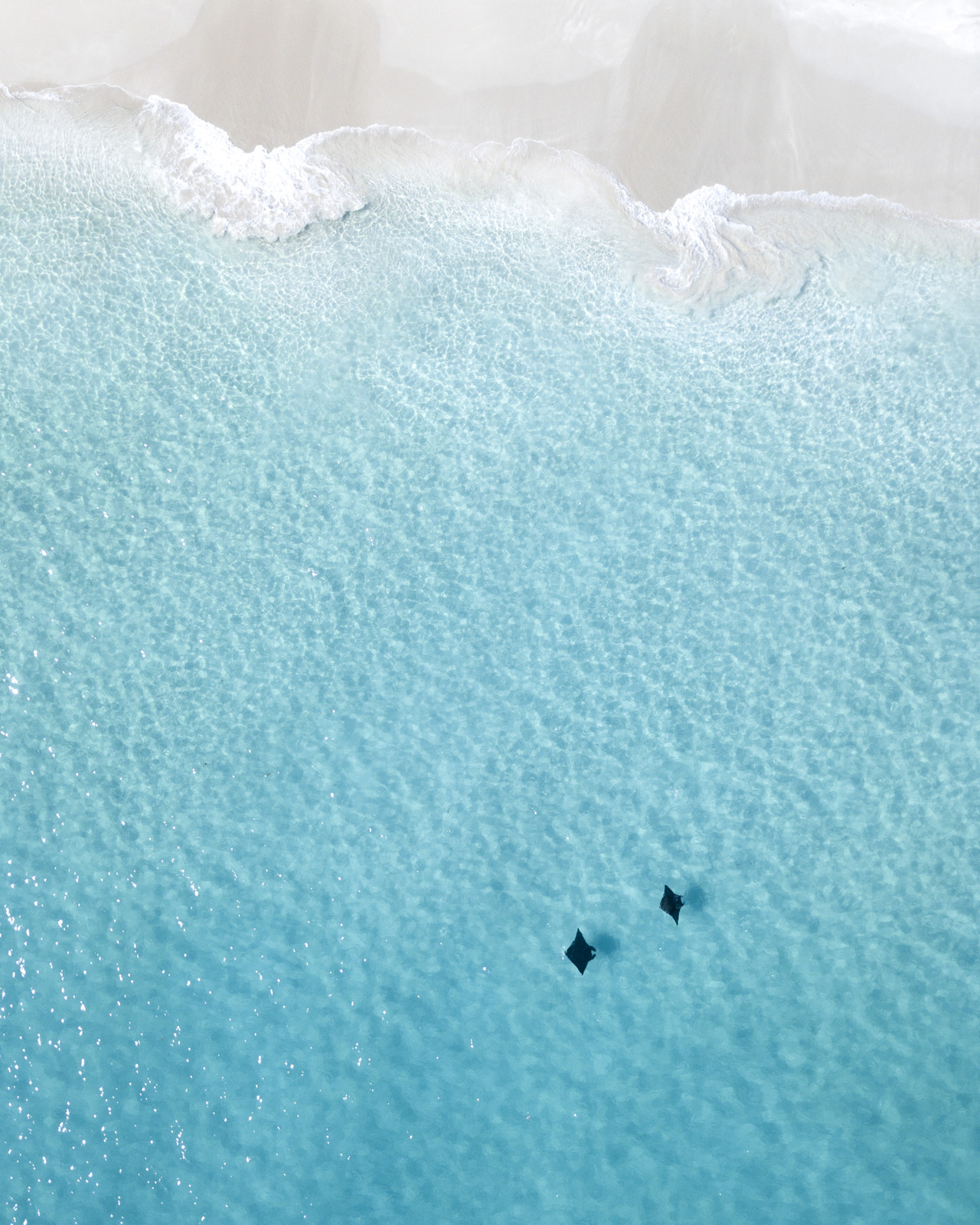
AnotherDayInCoralBay_Sam_Lawrence
© Sam Lawrence

A tranquil scene of two manta rays swimming along the shallow, coastal waters of Ningaloo Reef, a World Heritage Site in Western Australia.

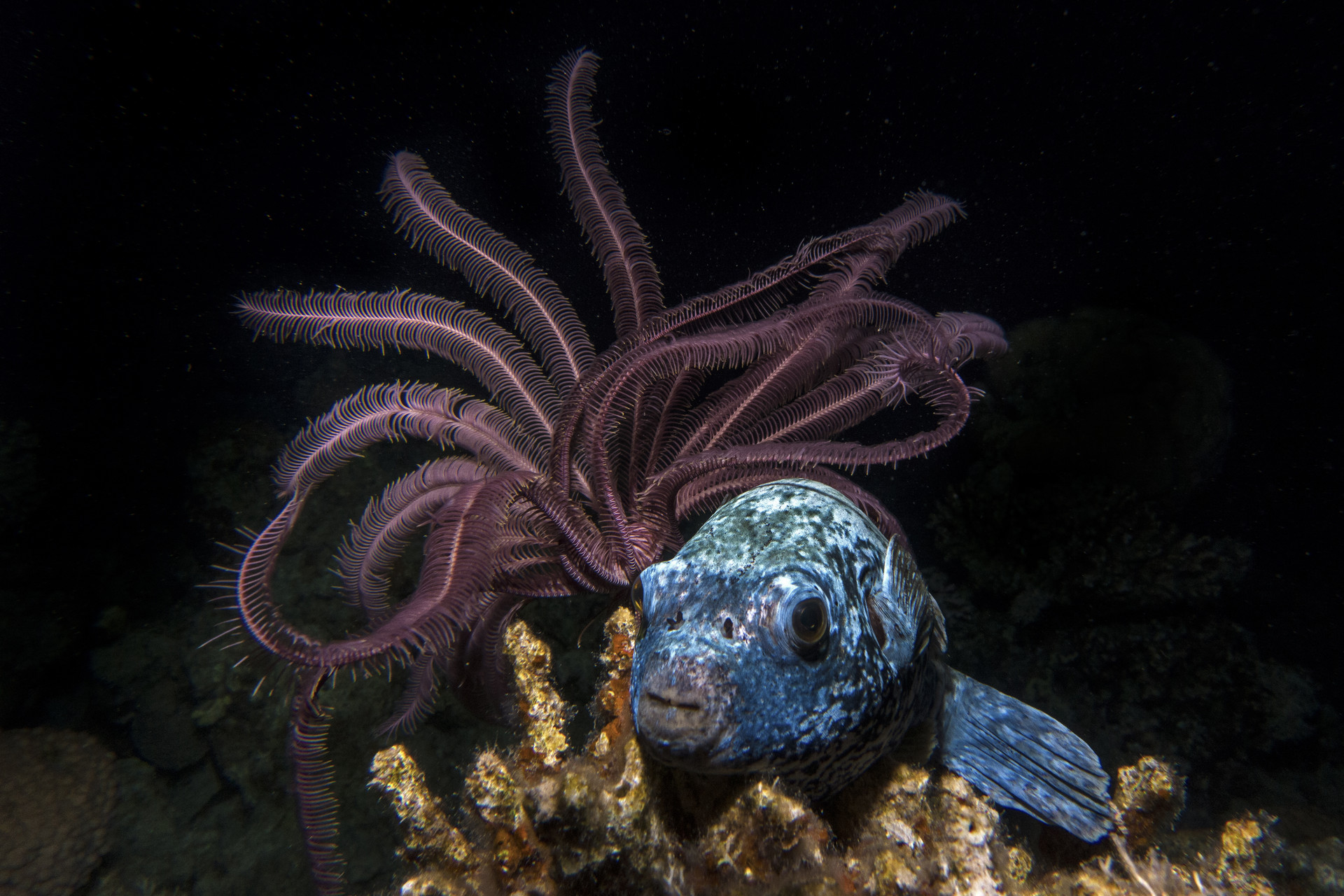
SharingTheSpace2_Tom_Shlesinger
© Tom Shlesinger

A blue puffer fish rests next to the nocturnal sea lily in the Gulf of Aqaba/Gulf of Eila in the Red Sea—two species sharing their space.

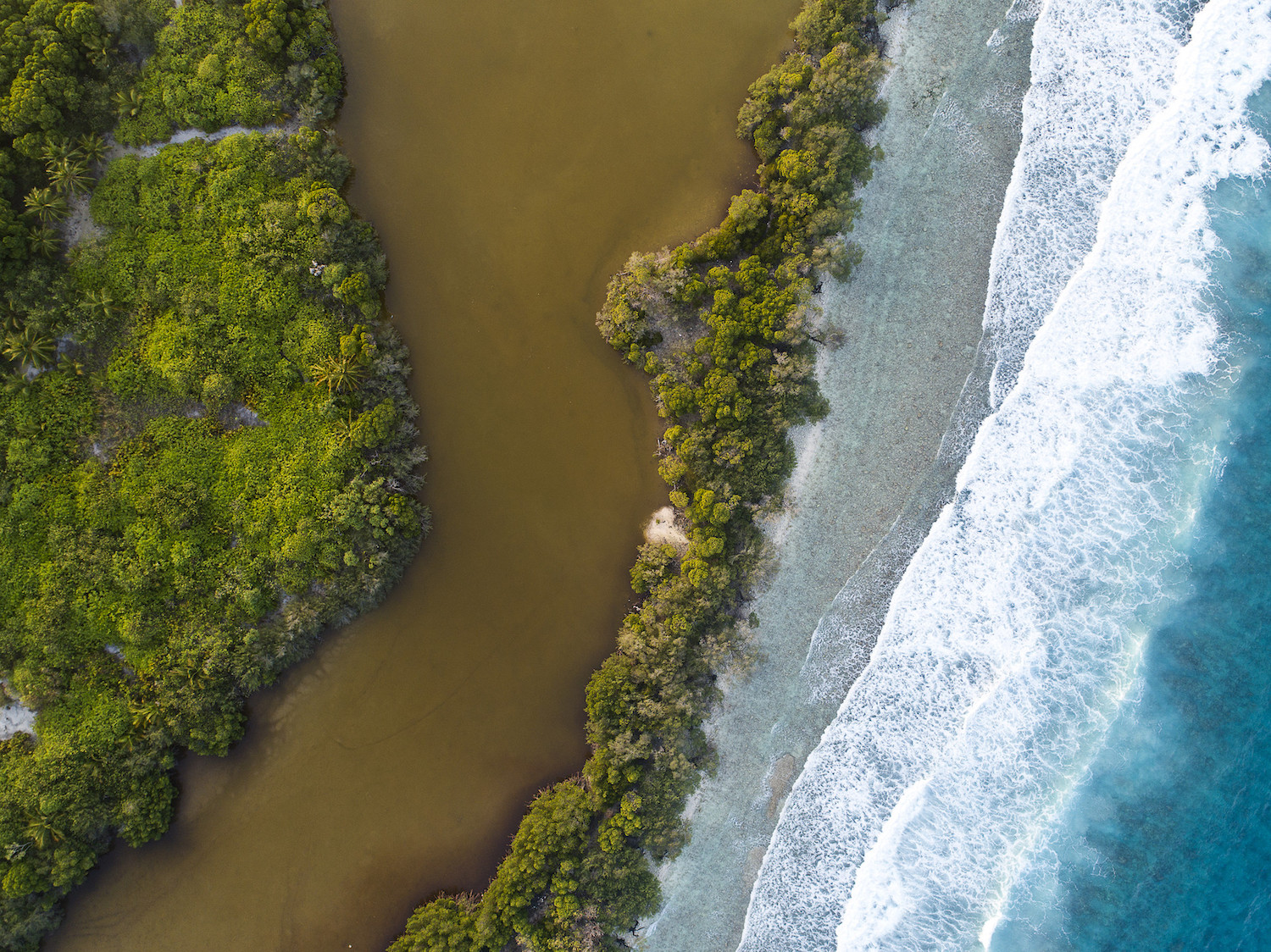
MangrovesCoastlineAndReef_Azim_Musthag
© Azim Musthag

In the Maldives, mangroves and coastal reefs present contrasting habitats, but in many cases, the species that thrive in these waters are dependent on both for survival.

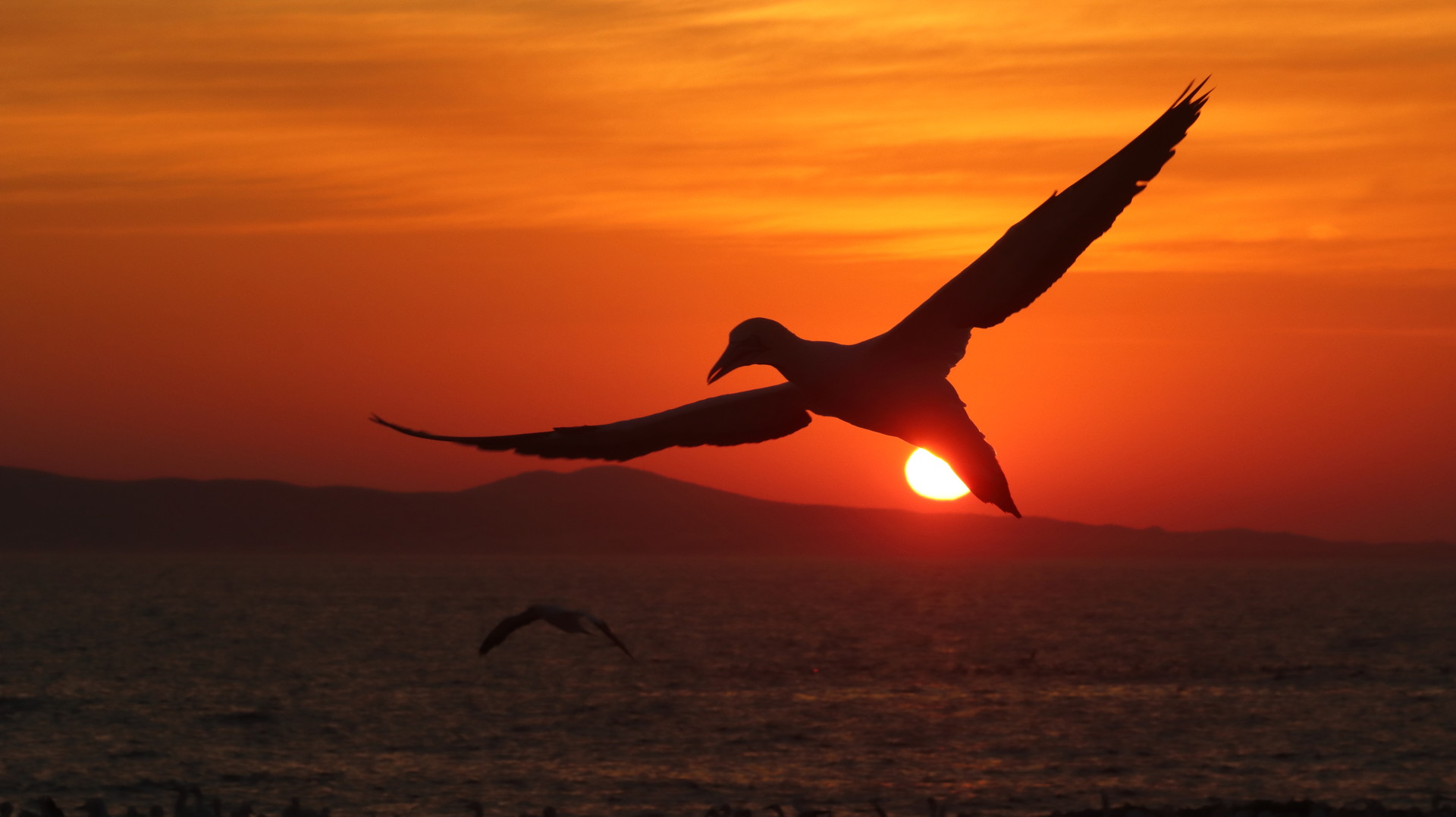
SunriseCapeGannetSilhouette_Eduard_Drost
© Eduard Drost

Capturing this moment of an endangered Cape Gannet mid-flight at sunrise is an inspiring example of hope and species resiliency. This Cape Gannet was found near the Addo Elephant Marine protected area in South Africa.

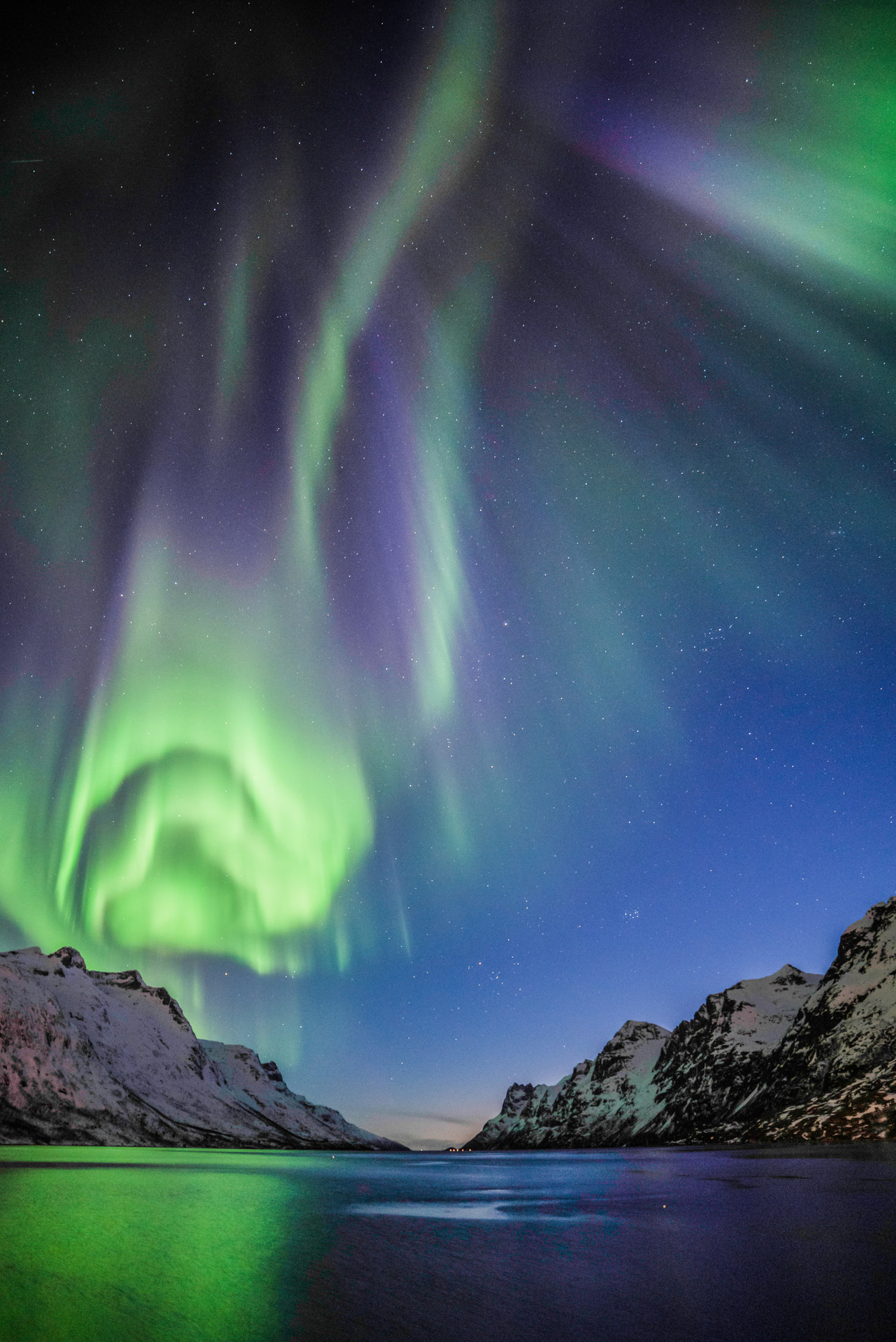
GreenStorm_Lorenzo_ragazzi
© Lorenzo Ragazzi

In Tromsø, Norway, you can see the Northern Lights reflecting on a fjord. This spectacular phenomenon is also known as an aurora—a natural light display in the Earth’s sky, predominantly seen in high-latitude regions, as a result of disturbances in the magnetosphere caused by solar wind.

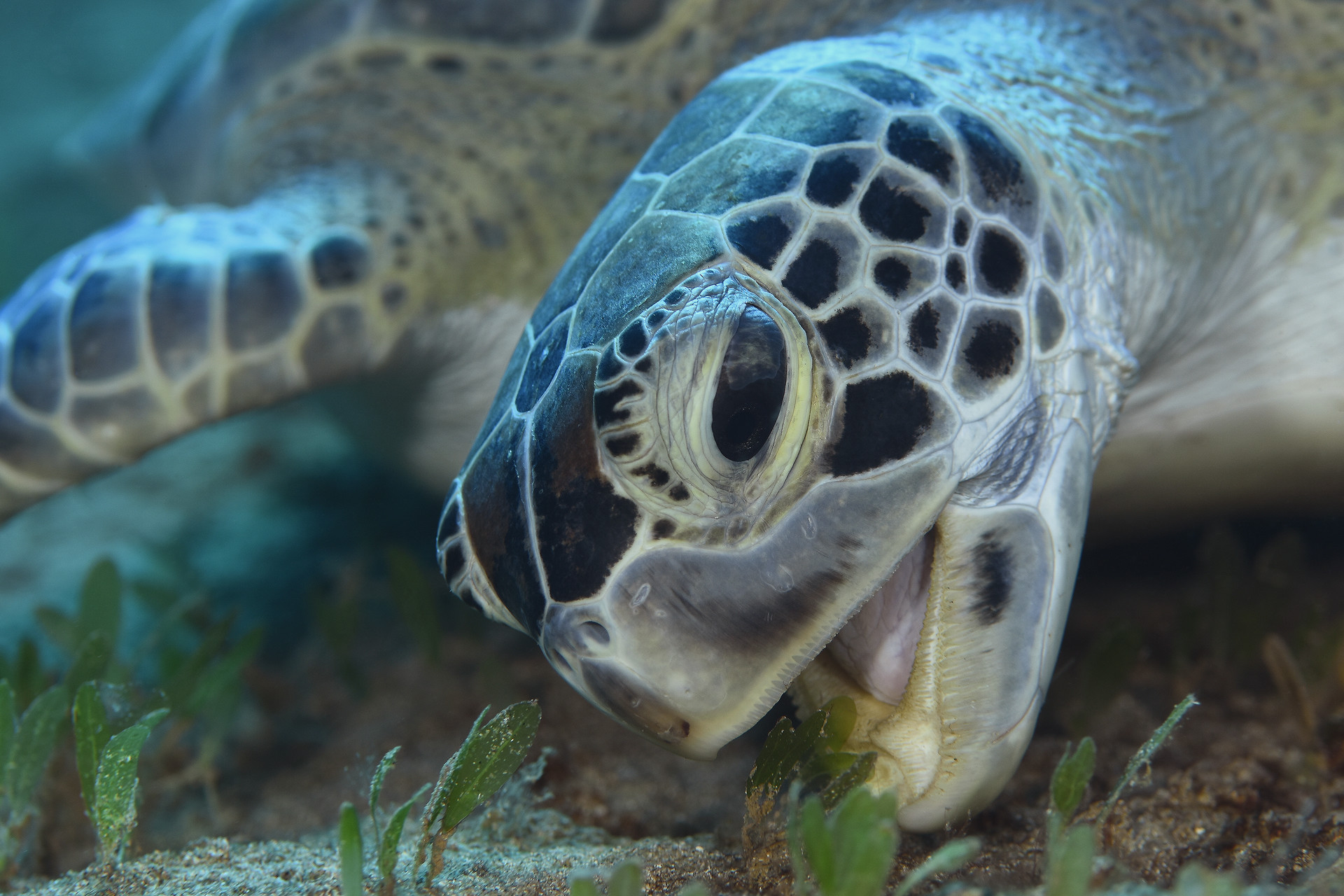
A hungry green sea turtle.
© Jan Zegarra

Is there anything more precious than a hungry, sea turtle finding a salty snack? This green sea turtle was caught munching on sea grass near Crash Boat Beach, located on the northwestern coast of Puerto Rico.

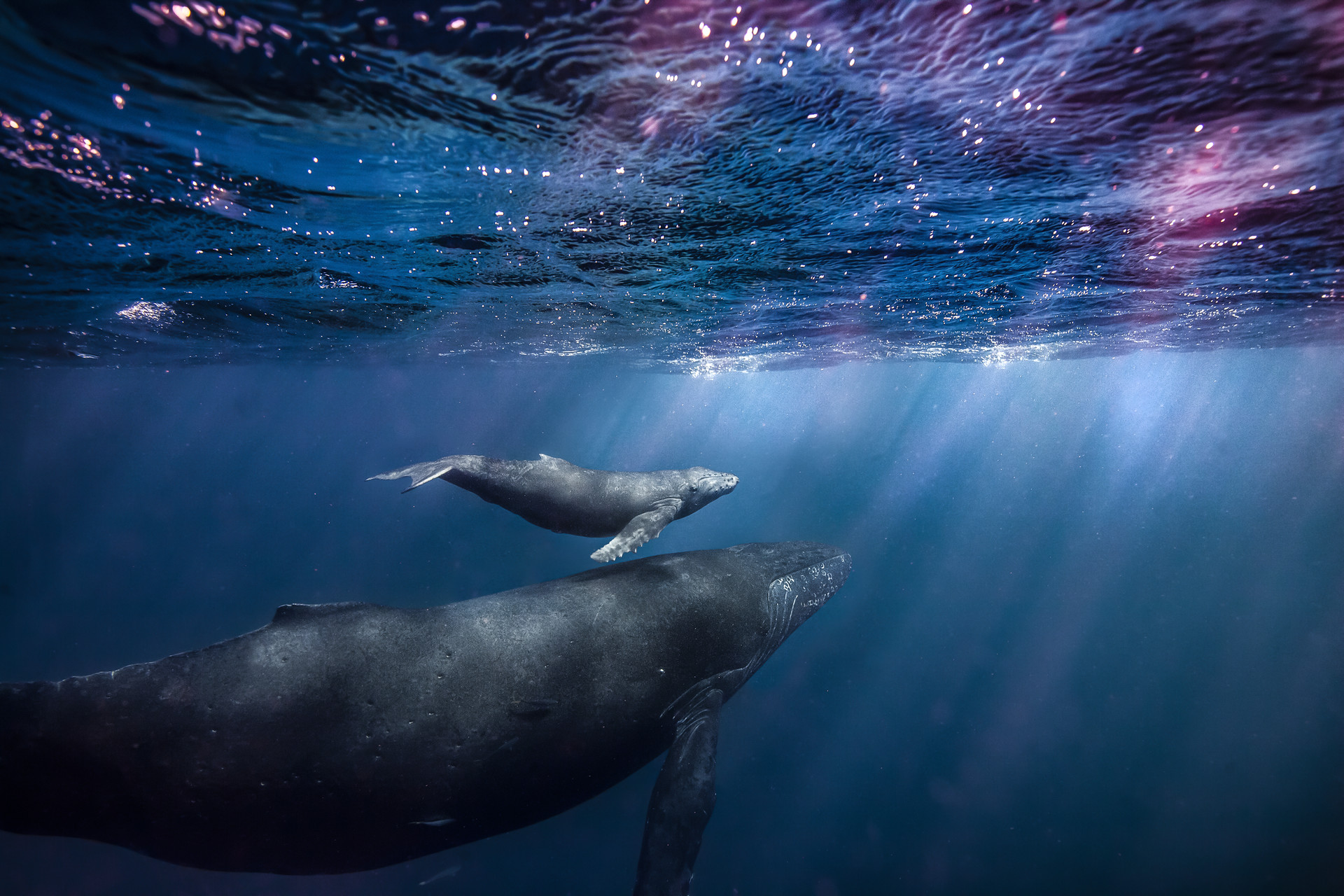
A young humpback calf and their mother cruise along in the warm Hawaiian waters
© Kelly Moran

A touching portrait of motherhood as a young humpback calf and their mother cruise along in the warm waters of Hawaii.

Whirlpool_Lorenzo_Ragazzi
© Lorenzo Ragazzi

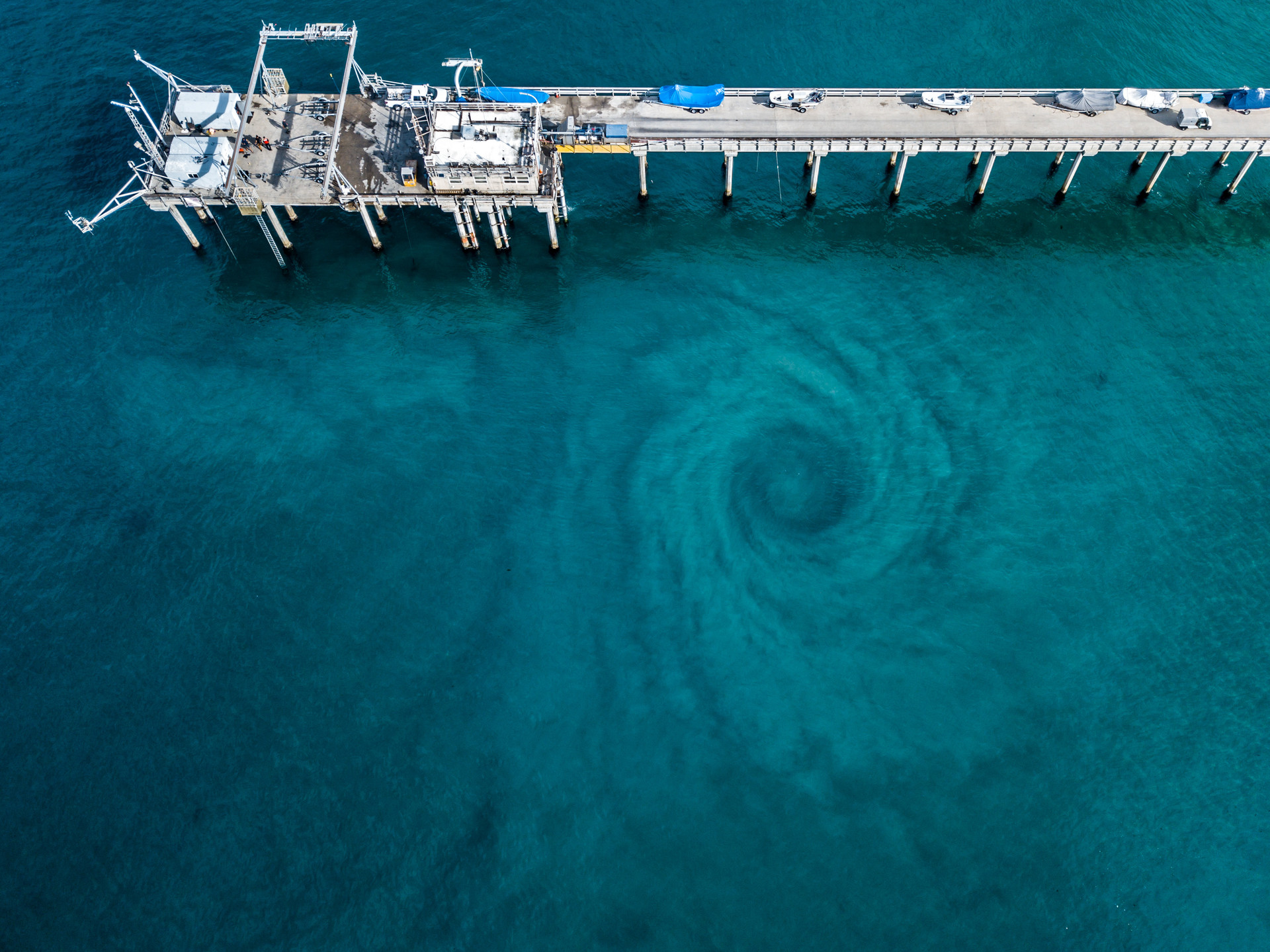
A lucky drone-operator discovered a natural whirlpool (a body of swirling water formed when two opposing currents meet) occurring near Ellen Browning Scripps Memorial Pier in La Jolla, California.

JuvenileDiamondbackSquid_Rajiv_Bhambri
© Rajiv Bhambri

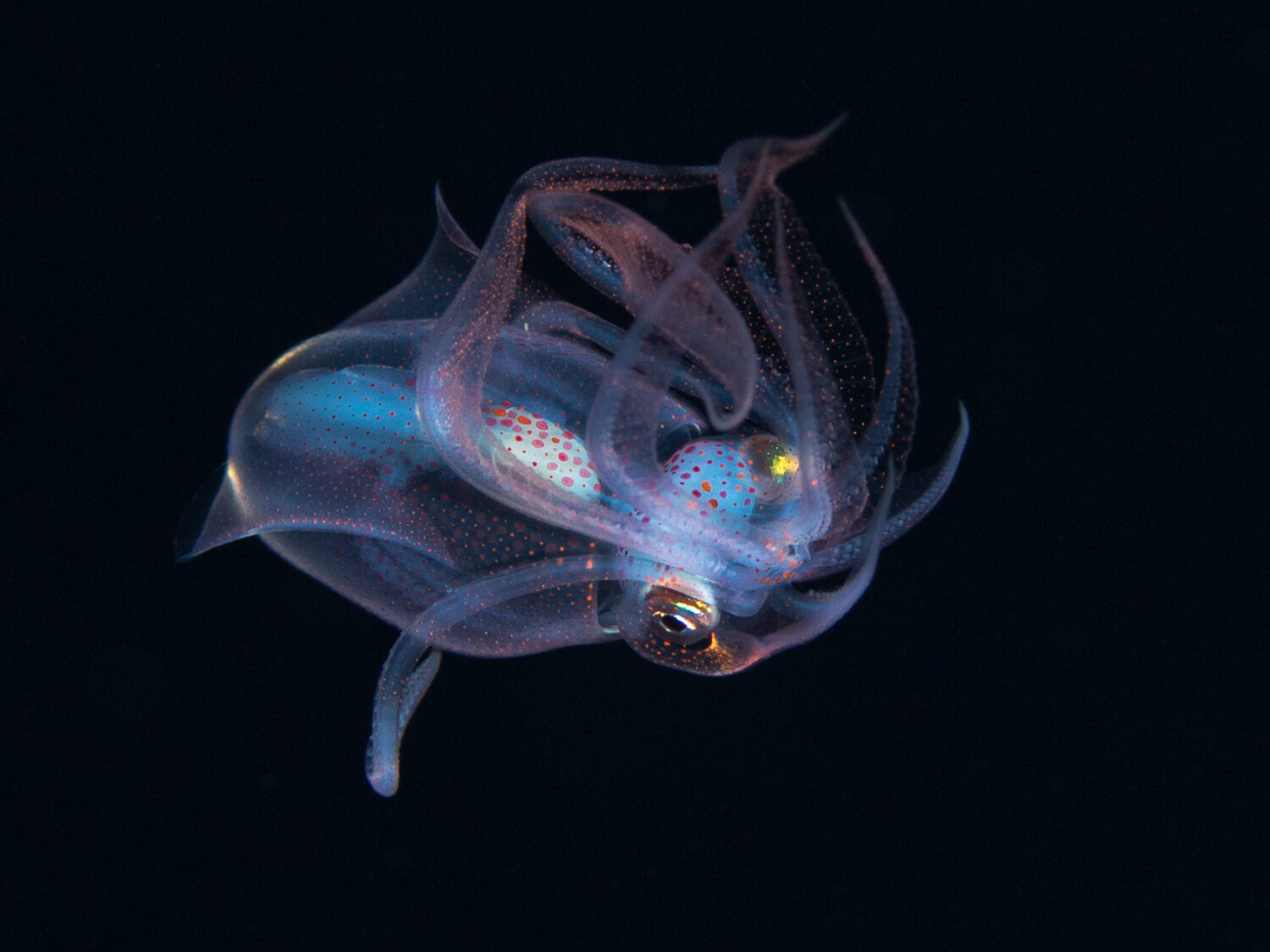
During a blackwater dive (a night dive in deep, oceanic waters offshore) off the coast of south-east Florida, this individual came across the wonderous diamondback squid. This particular squid was juvenile—only around two centimeters (less than an inch) in size.

The post 10 Ocean Photos to Kickstart 2021 appeared first on Ocean Conservancy.


from Ocean Conservancy https://ift.tt/3bmkEa6 https://ift.tt/eA8V8J
Wednesday, 6 January 2021

Cleaning the Arteries of Vietnam

Ho The Trung is the Junior Officer of Environment and Climate Change Program in MCD – Centre for Marinelife Conservation and Community Development, Vietnam where he manages MCD’s technicality and stakeholder engagement activities including Ocean Conservancy’s projects: “Accelerating Efforts to Reduce Ocean Plastic in Vietnam ” and “Strategic Plastic Litter Abatement in Song Hong – SPLASH”. He graduated from the University of Science and Technology of Hanoi with a major in Environmental Management and received his Master’s degree in Waste Water Treatment from the University of Poitiers, France.

Rivers are the lifeblood of Vietnam. A dense network of more than 2,000 rivers flow throughout the country, supporting agriculture, fisheries and serving as a means of transportation for communities living along them. Just as these rivers bring life and livelihoods to the communities dotting their shores, they also carry massive amounts of plastic debris to the ocean. This plastic waste impacts both the rich marine life at a river’s mouth as well as the health of the communities that live and depend on it.

Take, for example, the Song Hong (Red River), which winds through northern Vietnam, passing through two major urban areas: Hanoi, Vietnam’s capital city, and Nam Dinh at its mouth. The river opens into the Gulf of Tonkin and is teeming with life. Here, Xuan Thuy National Park is home to 14 species of mangroves, 116 species of water and shorebirds, 111 aquatic plant species and more than 500 other species of marine life, including shrimp, fish, crab and oysters. In fact, Xuan Thuy was the first UNESCO Ramsar site (a distinction given to wetlands of international importance) to be designated in Southeast Asia in the 1980s for its value as a migratory bird habitat.

© Rachel Giles

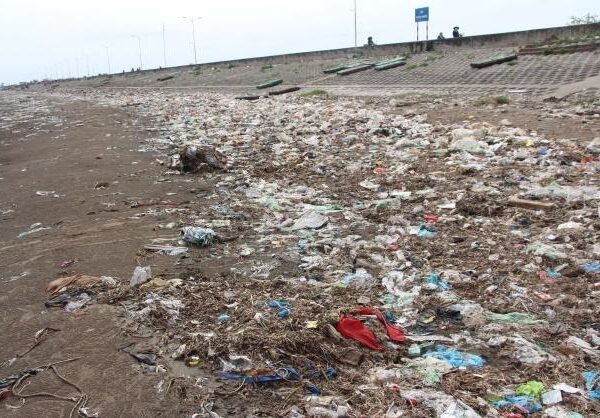
But if you walk around and on the tidal flats of Xuan Thuy National Park today, it’s hard to pick out shells from the bits of plastic. Splashes of color in the mangroves are more likely to be plastic bags than birds. The tidal flats and mangroves are dotted with the bright blues, reds, oranges and yellows of bags, bottles and other plastic waste from neighboring communities and that washes up from the ocean. We’ve seen from our research that plastic waste is likely impacting the health of this vital estuary, so we began exploring ways to stop the plastic before it got there.

In 2019, members of our team from the Centre for Marinelife Conservation and Development (MCD) began working with the USAID Municipal Waste Recycling Program (MWRP) to engineer a solution to this problem: a low-cost, locally developed trash trap to catch waste coming down the river. Building on that successful prototype, MCD and Ocean Conservancy launched a new effort this year to construct a network of five river capture devices, and communications and educational activities to develop a community-wide solution to protect the valuable riverine and marine environments along the Red River.

trash trapper1
© Center for Marinelife Conservation and Development

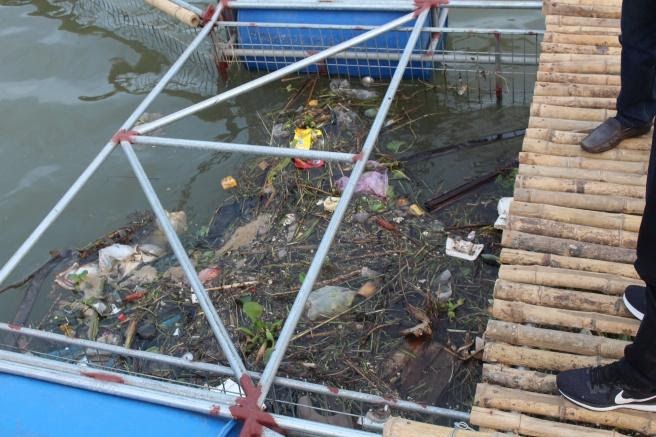
Our innovative trash trapper uses low-cost materials and is locally sourced and constructed, showcasing how innovation, combined with community-centered solutions, can help reduce plastic waste pollution in our waterways.

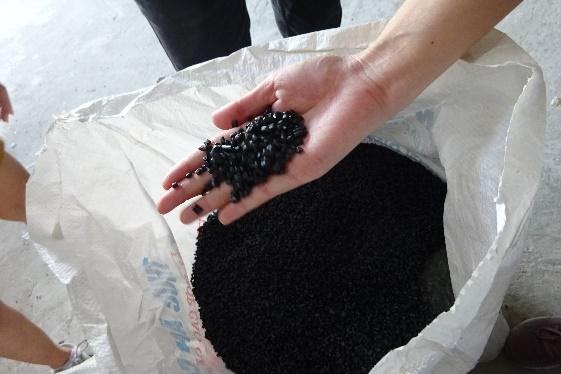
In addition to organic waste like duckweed, much of the waste collected in the trash trapper is plastic: bags, Styrofoam and bottles. High-value plastics like bottles are sold to other recycling facilities; low-value plastics like bags are sorted and processed by a special facility in Nam Dinh, Moi truong xanh (Green Environment) Nam Truc Ltd. The bags are sorted by workers and then washed, melted, spun and cut into small recycled plastic beads. These beads are then sold to other recycling plants as raw materials for new products.

workers 3
© Center for Marinelife Conservation and Development

After more than eight months of operation, the area around the trap has become noticeably cleaner and locals have seen less littering in the area. This is partly because of the public awareness events that MCD has organized in Nam Dinh, such as the annual International Coastal Cleanup (ICC) where volunteers gather yearly to clean up the area. During a community dialogue event, local authorities at all levels came to praise the trash trapper project for its effectiveness and positive impact on the life of the community. They see the project lending a hand to speed up the implementation of waste management and environmental protection plans. And although the project has just begun and has not yet reached full scale, local officials hope to see this concept spread in years to come throughout Nam Dinh province, increasing local community knowledge and participation to support efforts to improve waste management overall.

this one
© Center for Marinelife Conservation and Development

This project will support the Nam Dinh People’s Committee’s recently enacted policy to create campaigns and regulations to stop the use of single-use plastics in its markets. This was developed in response to the release of Vietnam’s National Action Plan for Marine Plastic Waste Management in December 2019, which identifies rivers as a high impact opportunity to reduce ocean plastics.

As of this December, we hope to have two trash traps in the water. We envision a future where the water in the river can finally flow freely with less plastic, leaving a cleaner and healthier river for all the communities that depend on it. We are excited to support the Nam Dinh Community in cleaning one of Vietnam’s major arteries!

Want to see the trash trapper in action in Nam Dinh? Check out MCD’s video, The Journey of Waste.

The post Cleaning the Arteries of Vietnam appeared first on Ocean Conservancy.


from Ocean Conservancy https://ift.tt/38jruej https://ift.tt/eA8V8J

Tuesday, 5 January 2021

Why Investing in Our Ocean is Good Business for People and the Planet

What if I told you I knew about a well-researched stock where for every $1 you invest, you’ll get at least $5 back? A return of 500%! You’d obviously invest, right? I’m not talking about something like bitcoin, or some sort of magical unicorn Silicon Valley tech startup. I’m talking about investing in a sustainable ocean economy. According to a Blue Paper commissioned by the High Level Panel for a Sustainable Economy (or the Ocean Panel as they are commonly known), that’s exactly the return countries around the world can get by investing $2 trillion-$3.7 trillion over the next 30 years. The Ocean Panel is a group of 14 Heads of State that recently released a final report on ocean solutions that benefit people, nature and the economy alongside an action agenda for how to get there. You can read more about the report in our recent blog.

This high return on ocean investment, says the Blue Paper, comes from four key areas:

  1. Conserving and restoring mangroves: Nutrient-rich mangroves create safe habitats for fish, increasing their productivity. They also act as natural barriers from powerful waves, protecting coastal communities from dangerous storm surges caused by hurricanes while also sucking carbon dioxide out of the atmosphere.
  2. Scaling up offshore wind production: Renewable energy sources, like offshore wind, improve air quality and reduce the emission of climate change-causing greenhouse gasses. Their planning, construction and maintenance directly creates jobs for the communities they’re built in and around.
  3. Decarbonizing international shipping: Zeroing out the carbon emissions from ships would further decrease the prevalence of carbon dioxide in our atmosphere and reduce ocean acidification. Shipping produces more than a billion tons of carbon dioxide (CO2) and greenhouse gasses each year—that’s 3% of global emissions and more emissions than a G7 country like Germany.
  4. Increasing sustainable seafood production: Looking to our ocean for food will provide protein alternatives to those from land-based agriculture while creating new nutrient-rich food sources for a global population that is predicted to hit 9.7 billion people by 2050.
Picture3
Note: This was photographed before the COVID-19 pandemic. © Rafeed Hussain

It’s no secret that the ocean is a powerful force, both environmentally and economically. Globally, the ocean provides 3.5% to 7% of the global Gross Domestic Product (GDP) and ocean-based industries contribute to about 31 million direct full-time jobs. For reference, the population of the United States is currently about 330 million. Just in the United States in 2018, the blue economy grew faster than that of the rest of the country, adding $373 billion to the national GDP and supporting 2.3 million jobs.

As a society, we tend to treat the ocean’s bounty like we’re pirates, despite how important it is to us. We show up and take what we want—whether it’s fish, minerals, oil or a plethora of other finite resources—and we leave. What we need to do is treat the ocean like we’re its guardians instead, where we work with and care for it so that we can enjoy the fruits of our labor—a healthier society, a healthier ocean, a healthier planet and therefore a stronger economy. This is how Indigenous communities around the world have always treated the land they live on and the ocean that supports them. We can learn from them and do it too.

There’s been a lot of talk about the public health crisis, joblessness and financial insecurity due to the COVID-19 pandemic and how to recover by building back better. Investing in our ocean can be the key to help our economy grow again after the virus is finally under control.

Picture5
© Rafeed Hussain

If we want to reap a return from the ocean we need to invest in it. This means an increase in coastal projects, sustainable ocean businesses, supporting people and communities and other activities that will require extensive ocean planning to reduce use conflicts. Luckily, the United States already has organizing bodies called Regional Ocean Partnerships (ROPs) which are in various stages of planning and addressing management challenges unique to their region. The Regional Ocean Partnership Act seeks to enable ROPs to receive federal funding to conduct scientific research, improve coastal resilience and address conservation and restoration management challenges. This legislation was highlighted in a recent report from the U.S. the House Select Committee on the Climate Crisis that recommends policies that will help reign in climate change, many of which are ocean-centric and overlap with recommendations for a sustainable ocean economy made by the High Level Panel. If this bill becomes law, it will go a long way to secure more predictable funding to further advance collaborative, regional ocean efforts. Building on this, Ocean Conservancy has recommendations on climate mitigation for the Biden-Harris administration that will benefit the ocean and our communities.

Picture6
© Rafeed Hussain

Throughout history, people have said that the ocean is too big for us to hurt. They were wrong. Today some people have the audacity to say the ocean is too big for us to help. They are wrong too. If we invest in it well, acting as guardians for future generations instead of pirates, I think the ocean is just big enough to bail us out of the mess we’re in now and help us all have brighter and healthier futures. But that’s a choice we have to make.

The post Why Investing in Our Ocean is Good Business for People and the Planet appeared first on Ocean Conservancy.


from Ocean Conservancy https://ift.tt/3ofBSt6 https://ift.tt/eA8V8J
How Orlando Communities are Tackling Plastic Pollution

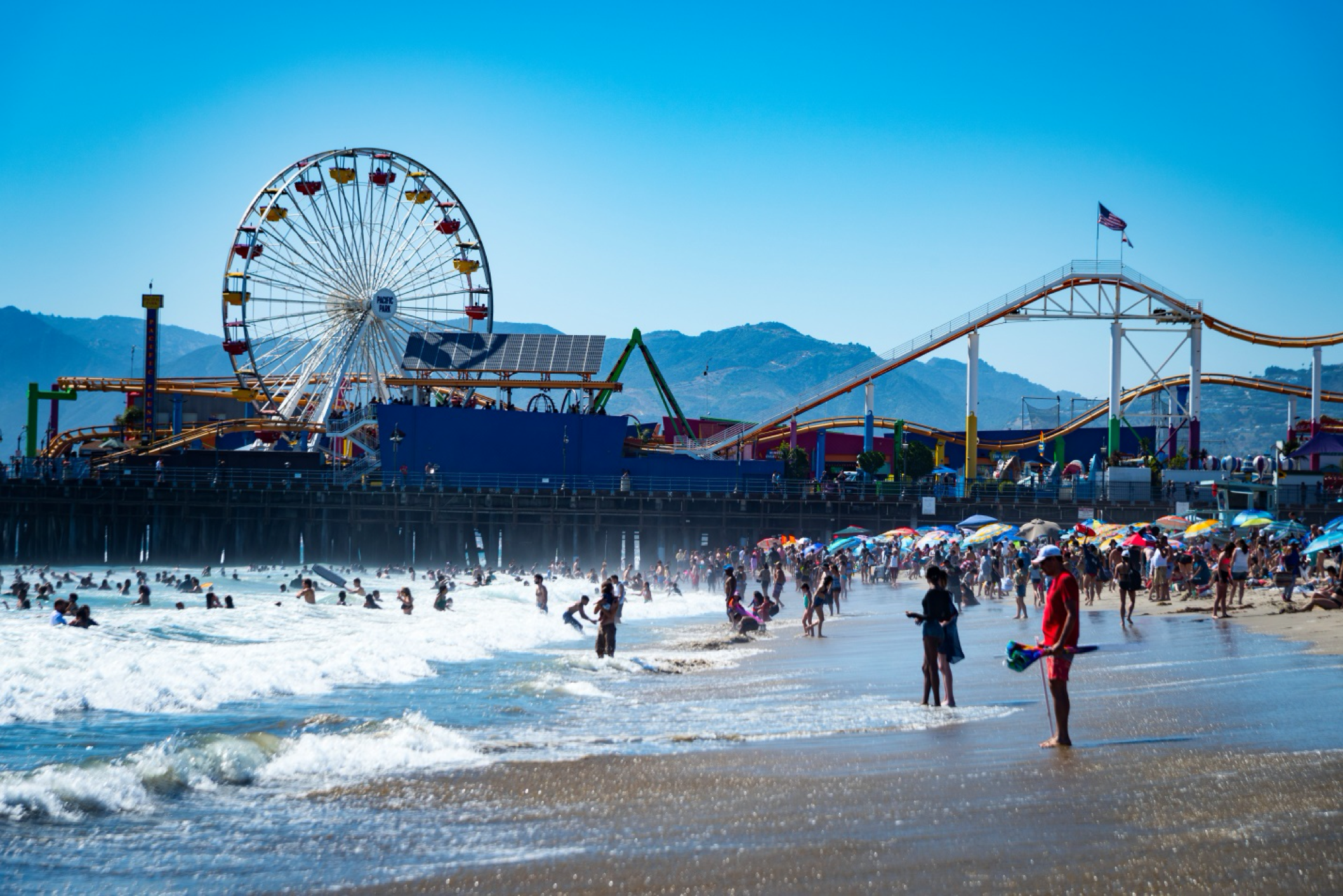
The city of Orlando is known above all else for its world-class amusement parks. In fact, hundreds of thousands of people visit the city ev...