Wednesday, 15 January 2020

Ghost Gear Reflections and Resolutions

This blog was written by Ingrid Giskes, the Director of the Global Ghost Gear Initiative (GGGI), where she works to tackle the most harmful form of marine debris in our ocean: lost and abandoned fishing gear. She has a background in international policy and has been working in this field for the last seven years. When she’s not traveling, Ingrid lives across from the ocean where the waves and ocean life inspire her every day to do more. Follow Ingrid and her team on Twitter at @Igiskes and @GGGInitiative and learn more about this Ocean Conservancy program on www.ghostgear.org.

Like so many others, I get reflective this time of year. Long after the clock strikes midnight on New Year’s Day, I find myself thinking back on the highs and lows of the past twelve months, and all of the things that I hope to achieve in the future.

2019 was an eventful year for the Global Ghost Gear Initiative (GGGI.) In the spirit of reflection and resolutions, here are eight things that I’m proud of the GGGI for achieving in 2019, and three things that we’re looking forward to accomplishing in 2020.

1. We found a permanent home with Ocean Conservancy.

It’s been a full year since Ocean Conservancy became the new host organization of the GGGI, and the transition could not have gone more smoothly. The GGGI is in great company alongside other collaborative initiatives under Ocean Conservancy’s Trash Free Seas® program, including the International Coastal Cleanup and the Trash Free Seas Alliance®.

2. We launched new initiatives in memory of our colleague Joanna Toole.

Joanna Toole, one of the co-founders of the GGGI, was tragically killed in the March 2019 Ethiopian Airlines crash. Joanna was a tireless advocate for the ocean and the creatures that depend on it, and we’ve sought to carry on her legacy. In October, Ocean Conservancy alongside OceanCare, the Center for Coastal Studies and the Joanna Toole Foundation launched the Joanna Toole Internship to support young women in ocean conservation. Additionally, alongside World Animal Protection and the Joanna Toole Foundation, we have launched the Joanna Toole Annual Ghost Gear Solutions Award, which will fund projects dedicated to tackling ghost gear.

3. More than a dozen new member organizations joined the GGGI.

Last year, the GGGI grew significantly, with organizations across many different sectors joining. Major corporations, including SeaBos, which represent 10 of the top seafood companies in the world, Red Lobster, Food Co-op UK, DSM and Darden Restaurants joined the GGGI and are looking to incorporate the Best Practice Framework (BPF) across their relevant corporate policies and supply chains. Five new NGOs joined, including Cape Breton Environmental Association, Blue Marine Foundation, Ocean Care, Blue Cycle and the Manta Caribbean Project, furthering our capacity to directly implement solutions on the ground around the world. Finally, the Government of Norway became the fifteenth national government to sign on to the GGGI.

4. We held a series of regional workshops in collaboration with UN FAO.

Alongside UN Fisheries and Agriculture Organization (FAO), the GGGI hosted workshops on the BPF and FAO’s Voluntary Guidelines for the Marking of Fishing Gear in Vanuatu, Indonesia, Senegal and Panama. It was invigorating to work with regional stakeholders and fishers to develop prevention strategies for ghost gear in their communities. In total, over 200 participants from 101 countries participated in these workshops, and we’re excited to build on this foundational work in 2020 with more local action planning and training opportunities.
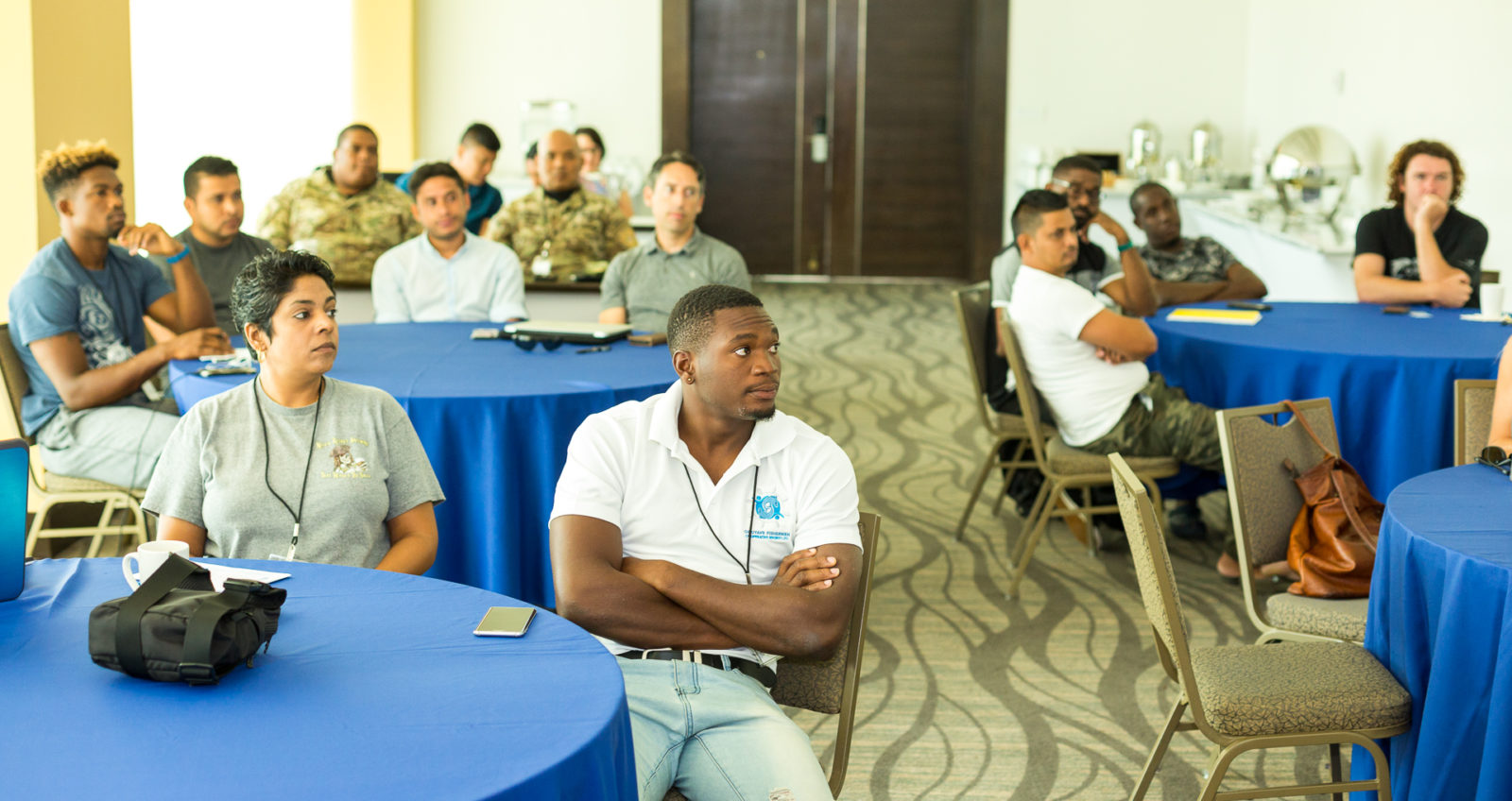
FAO workshop Panama (C) Joel Baziuk
© Joel Baziuk

5. We helped implement solutions on the ground.

In 2019, we were excited to help implement solution projects in Jamaica, Indonesia and Myanmar. In Myanmar, we initiated a ghost gear removal pilot effort, which was the first of its kind in the country. The project, funded by the National Geographic Society and World Animal Protection, focuses specifically on the Myeik Archipelago, one of the most remote and undisturbed island groups in the world. In Indonesia, we continued our work on the marking of fishing gear together with the Indonesian Government.
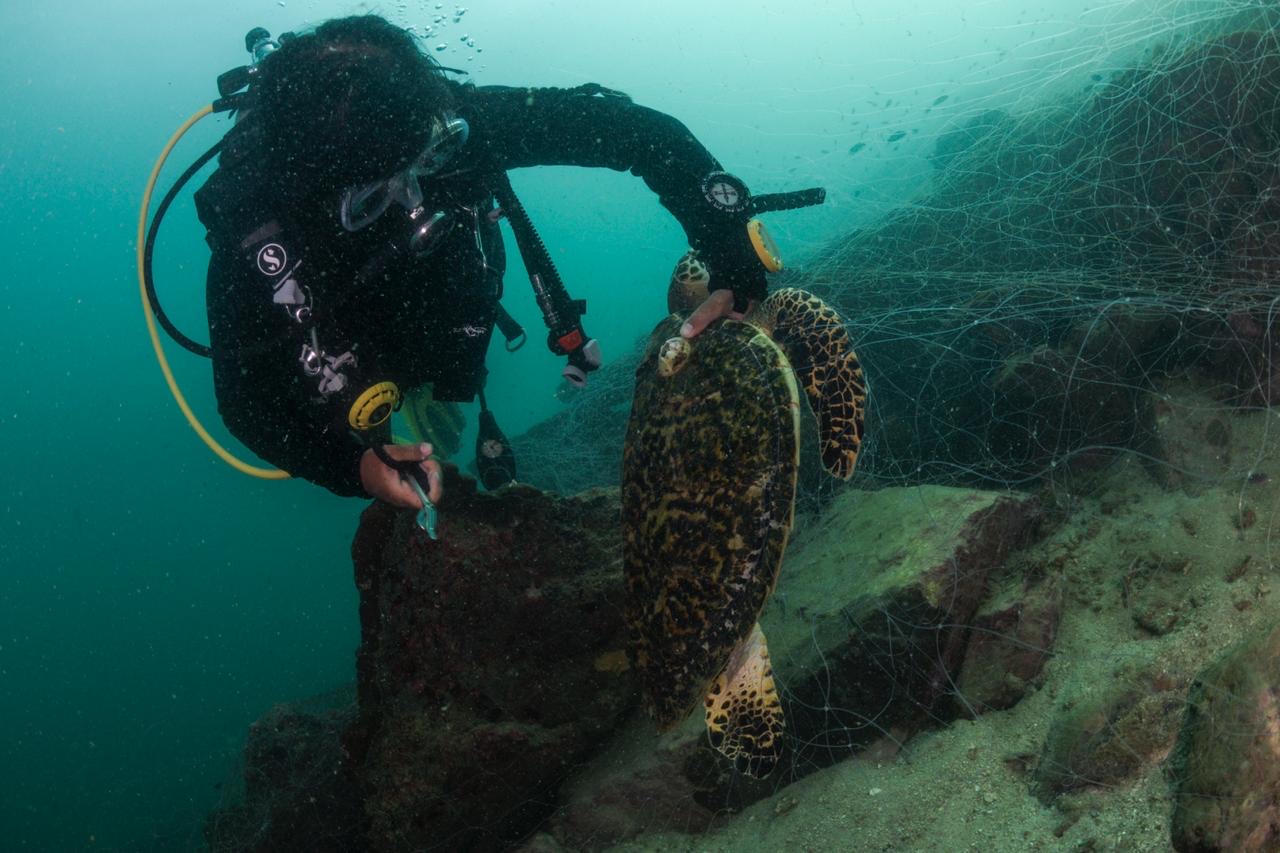
Myanmar Removal (C) Shin Arunrugstichai
© Shin Arunrugstichai

6. We facilitated gear removal across the world.

The GGGI helped remove abandoned fishing gear in Panama City, Vanuatu and the Gulf of Maine. Notably, the removal in Maine yielded our biggest find in a single retrieval effort ever: a gear ball weighing over 20,000 pounds (or nearly ten metric tons!) was collected and brought back to shore to be recycled.
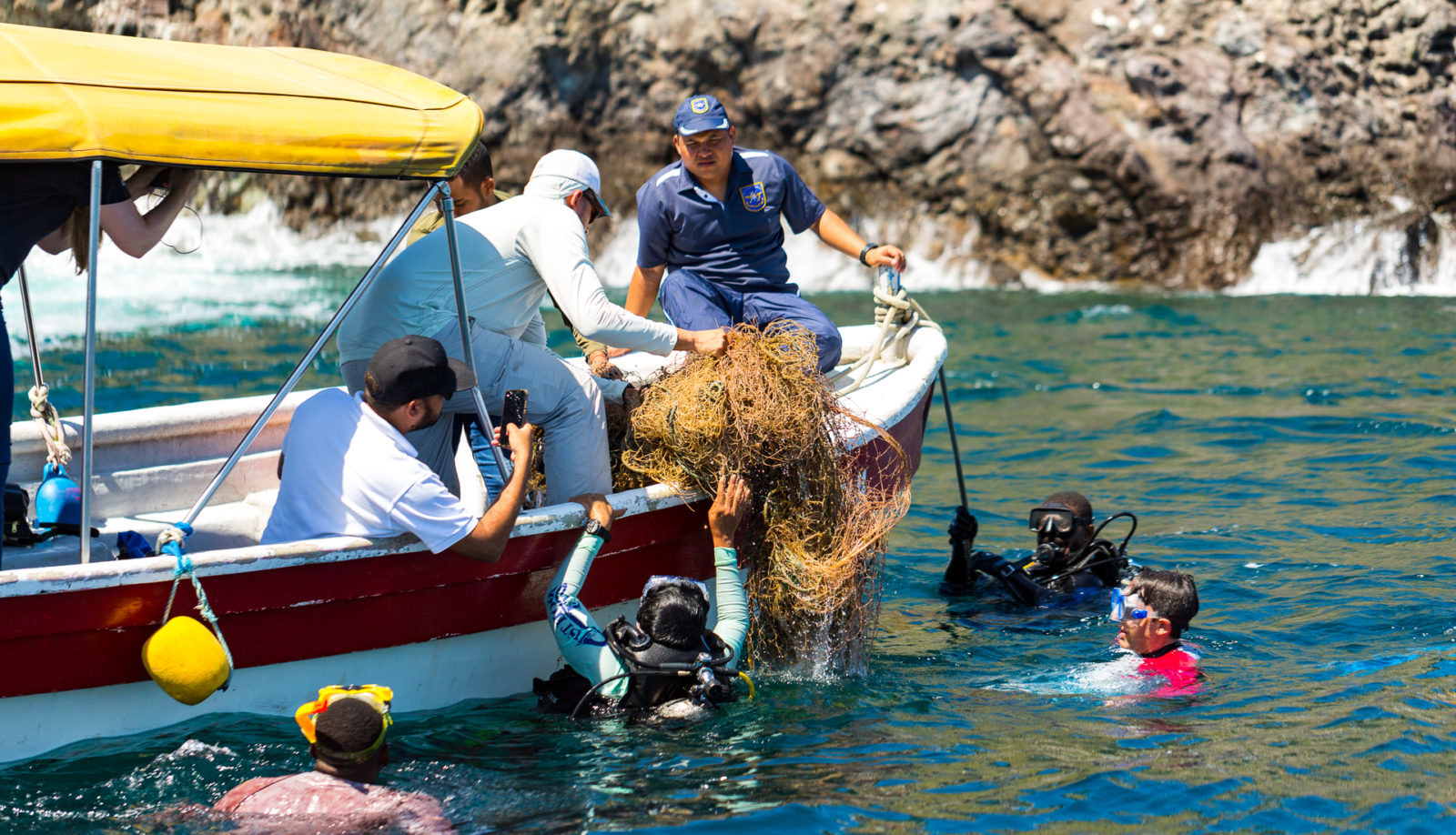
Gear Removal Panama_(C)Joel Baziuk
© Joel Baziuk

7. We attended and spoke at a wide variety of high-profile conferences and forums.

The GGGI team had the opportunity to speak at conferences around the world and bring further attention to the ghost gear problem. From the APEC Oceans and Fisheries Working Group Meeting in Chile to the ASEAN Regional Forum and US State Department workshop in Vietnam, we were excited to help shape high level regional policies and share our knowledge of the effects of ghost gear on the ocean and those who depend on it. We spoke at numerous seafood shows and events alongside GGGI corporate partners, including the North Atlantic Seafood Forum, Seafood Expo North America, and SeaWeb Seafood Summit. We also attended other global policy fora, including the Our Ocean 2019 Conference in Oslo, Norway and the High-Level Panel for a Sustainable Ocean Economy, where we had the chance to connect with key figures in the battle against ocean plastic and for sustainable fisheries.

8. We watched awareness of ghost gear grow through global mainstream media coverage.

 As the issue of ocean plastic more broadly garnered attention, 2019 saw an influx of public interest in the issue of ghost gear. The GGGI was featured in Forbes, while gear removals in Maine and Panama were covered by the Associated Press and France 24, respectively.
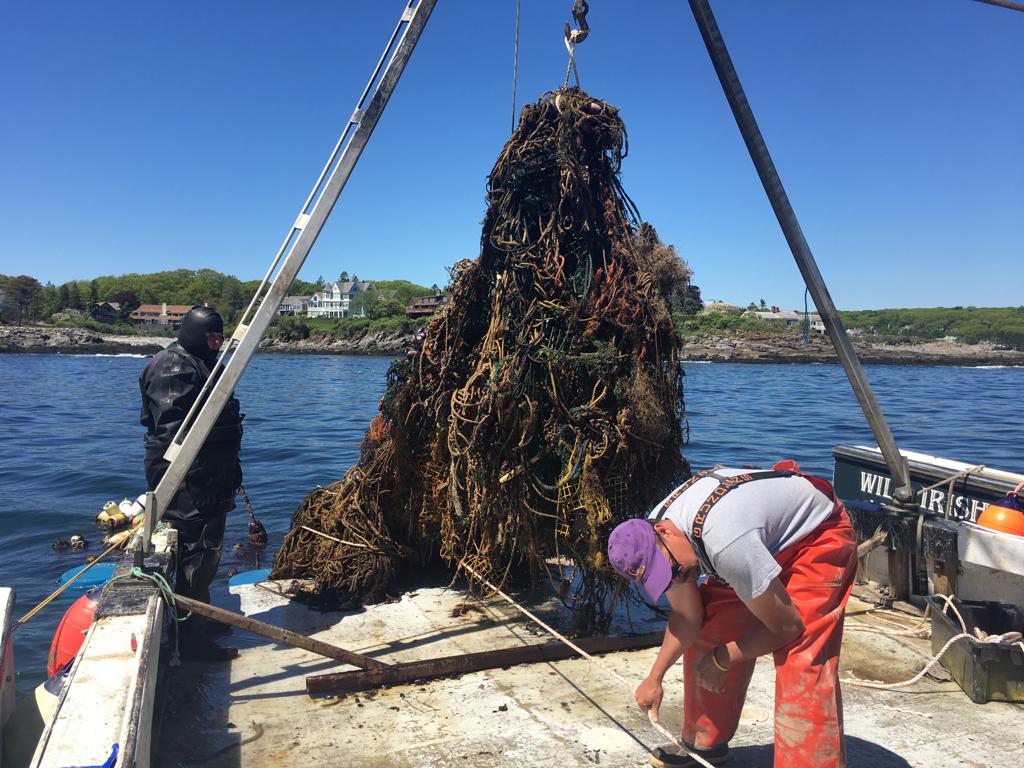
Maine Gear removal_(C) Jordana Merran
© Jordana Lewis

Despite the ups and downs of last year, I find myself optimistic about what 2020 holds for the GGGI. As a sneak preview, here are three of the things that I’m most excited about.

  1. We are planning updates to the data portal which will provide stakeholders with access to even more resources from our GGGI member organizations.
  2. We will participate in various policy fora, including the UN Ocean Conference, the Hallifax Gear Innovation Summit (Halifax, Canada), the International Symposium on Plastics in the Arctic (Reykjavik, Iceland), the International Conference on the African Marine Waste Network (Port Elizabeth, South Africa), and the UN FAO Committee of Fisheries (COFI) meeting where we will continue to advocate for policies that confront the ghost gear issue
  3. We will launch a best practice framework that deals specifically with the issue of aquaculture derived ghost gear.

I can’t wait to see what we can accomplish together in 2020 through this change-making initiative. Watch this space for updates throughout the year!

The post Ghost Gear Reflections and Resolutions appeared first on Ocean Conservancy.


from Ocean Conservancy https://ift.tt/2u1tFS6 https://ift.tt/eA8V8J

Tuesday, 14 January 2020

7 Ways Baby Sea Turtles Inspire Us to Live Life Bigger

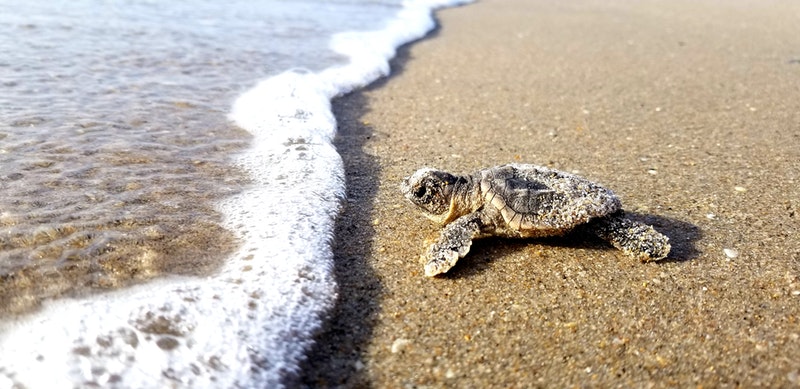
Sometimes, things happen throughout the course of the day that don’t exactly make us feel extra motivated, driven, enthused to be our best selves. But if I’ve learned anything in life so far, it’s that there’s nothing quite as important to maintain during turbulent times than a focused perspective. That’s exactly why I’ve always loved baby sea turtles. While all of the animals that call our ocean’s waters home are spectacular, there’s something special about sea turtles’ journeys as babies from nest to ocean that has an unmatched capacity to us to inspire us to implement a refreshed perspective on life.

No matter what your biggest struggle or frustration is right now, here are seven ways sea turtle hatchlings can inspire you to live life a little bigger than you did yesterday.

On Self-Comparison

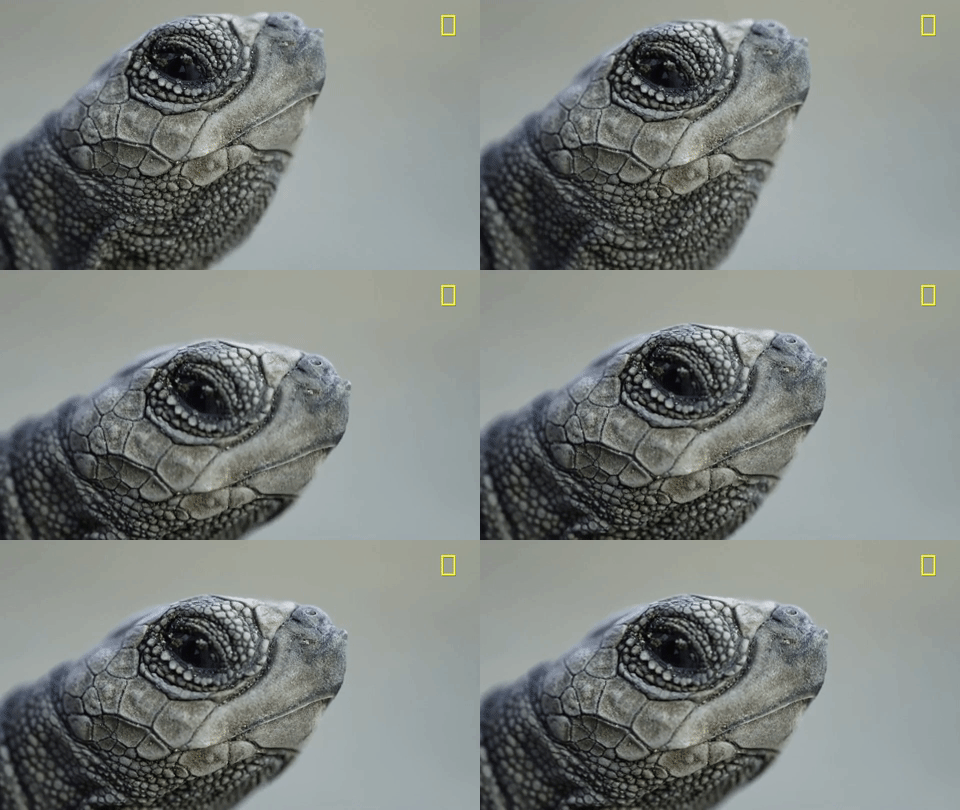
giphy-22

“A flower doesn’t think of competing with the flower next to it. It just blooms.”

-Zen Shin

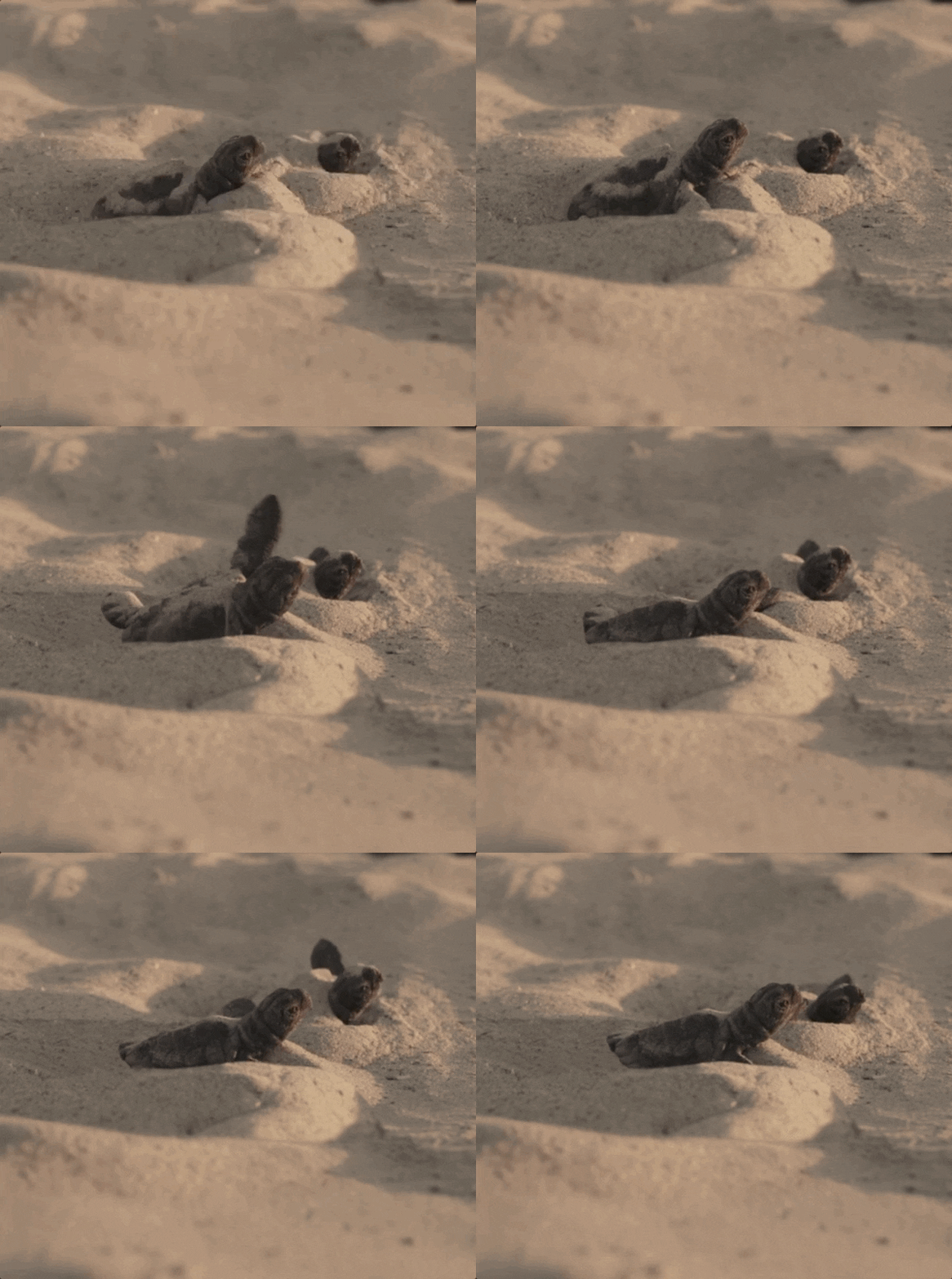
When baby sea turtles hatch, they’re hatching with around 100 of their siblings at the same time. If every sea turtle were to stop and compare itself to how quick or strong one of their brothers and sisters were compared to themselves, their shot at survival would be negatively impacted. Be like a sea turtle: focus on your own goals and don’t compare your success to anyone else’s. Your achievements are your own.

On Family and Roots

Turtle Baby on beach
© Simon Dannhauer/Fotolia

“Families are like branches on a tree. We grow in different directions, yet our roots remain as one.”

-Unknown

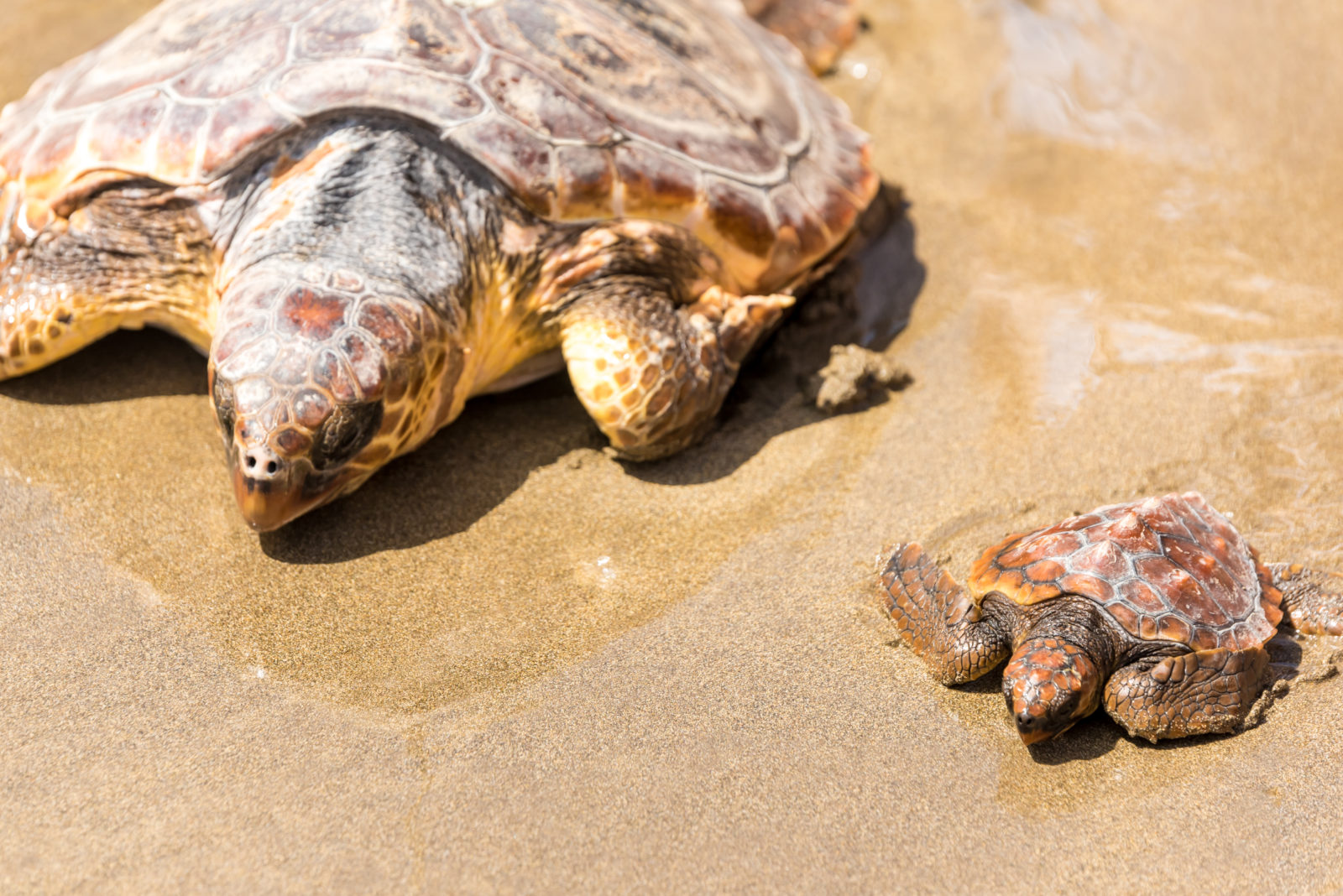
Did you know female sea turtles return to the same beach where they were born to lay their own eggs as adults? While these creatures will drift apart from their siblings as they enter the sea as babies, there’s an instinctive, natural programming that mother turtles have when it comes to knowing where to go to lay their own nests. While the mechanism behind this phenomenon is complex, the lesson we can learn from it is simple: go out into the world and make your own way, but don’t forget your way home when you need a familiar shore to rest on.

On Making Progress

2019_OPDrive_LandingPage

“It doesn’t matter how slowly you go as long as you don’t stop.”

-Confucius

Have you ever seen a video of hatchlings traveling toward the sea that seemed like an easy trip? Probably not. A turtle’s fight for survival, especially early on in life, is anything but easy. From dodging hungry seabirds to avoiding entanglements with obstacles on the way to the water, this journey is one of the most difficult a turtle will ever encounter. With that, it can sometimes take them a while to reach their goal. But that’s what’s so magical about it. No matter how bumpy the road may seem at times, remember: if a sea turtle can keep on pushing toward the shoreline after hatching, we can all keep pushing until we reach our own goals.

On Courage

giphy-21
Source: Giphy

“Courage is not the absence of fear…but rather the judgment that something else is more important than fear.”

-Ambrose Redmoon

Speaking of a hatchling’s journey to the sea, did I mention how many obstacles they face on their way to the water? Before they can bask in that first taste of a saltwater swim, they have to make it past threats they can see and some they can’t. These creatures don’t let the fear of what might stand between them and the sea stop them from running toward the thing they know is their true home. If they can have the courage to move forward with uncertainty, we certainly can do the same.

On Taking the First Step

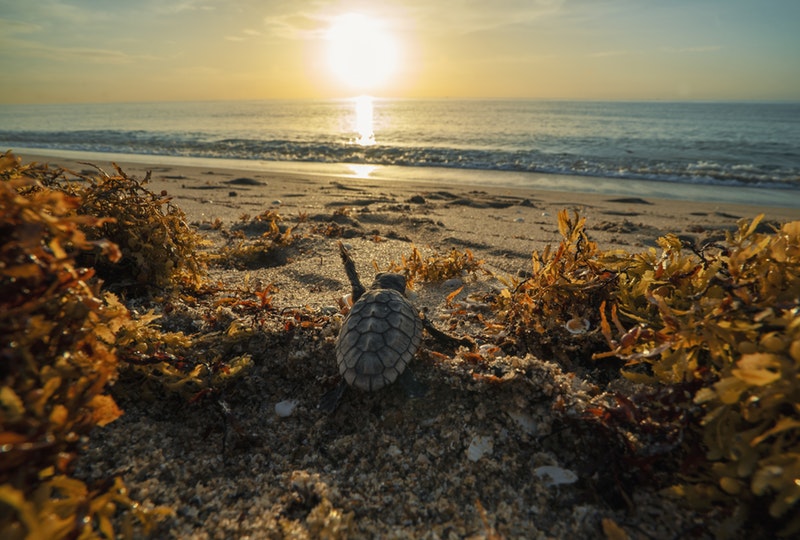
David Diez Ortiz West Palm Beach FL
© David Diez Ortiz

“…The first step, as you know, is always what matters most, particularly when we are dealing with those who are young … that is the time when they are taking shape and when any impression we choose to make leaves a permanent mark.”

-Plato

What comes with the courage to move forward? Taking the first step in the journey, of course. And that first step is probably the toughest of all for anyone experiencing anxiety or fear. Yet, if a sea turtle never took the first step because they never embraced their own instinct to have courage and move forward, they’d never survive. Nature intends for us to take heart and be brave, because without courage and bravery to put one foot in front of the other in the beginning of a journey, that journey wouldn’t ever exist in the first place.

On Keeping Your Head Up

Ben-Hicks-Loggerhead-1200x800
© Ben J. Hicks

“Keep your head up, keep your heart strong.”

-Ben Howard

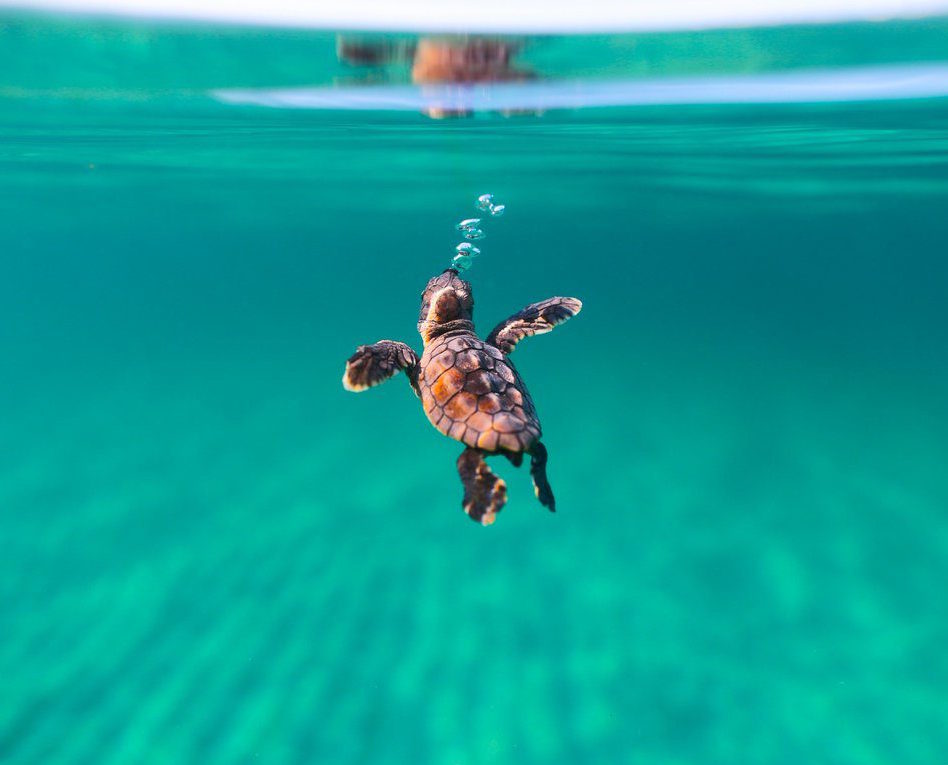
Once we take that first step into the great unknown, it would be unrealistic of us to never expect any difficulties or road bumps to greet us, and the same is true for sea turtles. As they enter uncharted waters and swim into the deep blue for the first time in their lives, they have to trust that no matter how difficult a first swim may be, any tribulations will make their triumphs that much stronger in the end.

On Change

Jessica Pinder- Palm Beach, FL
© Jessica Pinder

“The comfort zone is a psychological state in which one feels familiar, safe, at ease, and secure. If you always do what is easy and choose the path of least resistance, you never step outside your comfort zone. Great things don’t come from comfort zones.”

-Roy T. Bennett

And that reminds me … at the heart of all of this bravery and courage is something that makes sea turtles some of the most inspiring wildlife species to grace our planet. When they journey from nest to ocean, they’re crossing a critical threshold. They’re not only bridging the gap between the known and the unknown, they’re crossing between two completely separate entities: the land and the sea. This enormous change is without a doubt what I would call one of the purest illustrations of what it means to leave your comfort zone.

It’s once we step into those uncharted territories that we’re able to bloom into the person (or turtle) we were always meant to be.

When I look at sea turtle hatchlings, I remind myself not to think too hard about the hard times in life. It’s when we get too focused on the negatives, the difficulties and the rough spots that we lose sight of what really matters. That certainly includes our goals and aspirations, but it also includes the “why” behind what’s pushing us toward those dreams.

giphy
Source: Giphy

Baby sea turtles are born instinctively knowing they’re supposed to make it to the ocean, but they’re certainly not born knowing just how spectacular a sea is waiting just over the crest of that first wave. Likewise, if we never grabbed a hold of uncertainties, embraced the unfamiliar and found new motivation from our greatest downfalls and obstacles that were sprinkled throughout our journey … would we ever be able to fully appreciate the joy that comes with reaching the “destination” of growing into the people we were meant to be?

I like to think probably not.

The post 7 Ways Baby Sea Turtles Inspire Us to Live Life Bigger appeared first on Ocean Conservancy.


from Ocean Conservancy https://ift.tt/2NseJ6u https://ift.tt/eA8V8J

Monday, 13 January 2020

It’s Time to Strengthen, Not Weaken, Oil Spill Prevention and Response Regulations

It’s a new year. With a new year comes the opportunity for a fresh start, a way to promise to do better and turn over a new leaf.

Here in Alaska, the government is considering a fresh start for Alaska’s oil spill prevention and response regulations. Strong regulations help ensure that oil stays out of Alaska waters and off of Alaska’s coastlines.

But, I’m concerned that instead of strengthening these regulations, the government will weaken oil spill prevention and put our waters and coastline in harm’s way.

Rolling back oil spill prevention regulations would put Alaska’s ocean and coasts at risk for disaster. We can’t afford to take that chance.

Oil spills are still a massive threat to Alaska’s marine and coastal ecosystems, including in Arctic Alaska. As Arctic sea ice melts, more ships travel these northern seas, increasing the potential for a devastating oil spill. We know how harmful oil spills can be to our ocean and those who depend on it. And we know how much more damage could be done if a spill happened in the Arctic, where remoteness and harsh weather could make effective spill response all but impossible.

Alaska’s oil spill prevention and response regulations were put in place after the Exxon Valdez oil spill—which spilled roughly 11 million gallons of oil into the ocean, killing and injuring seabirds, sea otters, harbor seals, bald eagles, orcas and other marine wildlife. In the days that followed, the oil spread, contaminating more than 1,300 miles of Alaska’s coastline.

Three decades later, oil remains on some Prince William Sound beaches, despite extensive cleanup efforts. Marine wildlife—including birds, fish and whales—suffered losses that they still have not recovered from.

The Exxon Valdez was one of the worst human-caused environmental disasters of all time. Oil spill prevention and response regulations help ensure an oil spill like the Exxon Valdez never happens again.

Maintaining strong oil spill prevention and response regulations is critically important for our ocean and for countless individuals who rely on Alaska’s healthy marine ecosystems for their livelihoods and enjoyment, including commercial and recreational fishermen, Alaskans who practice subsistence hunting and fishing, those in the tourism industry and the visitors they bring to the state, and Alaska residents who have a deep connection to the state’s waters and coastlines.

The good news? You can speak up about this critical issue. The State of Alaska’s Department of Environmental Conservation (DEC) is seeking public input on oil spill prevention and response regulations. The public comment period is an opportunity to voice our support for ocean conservation. You can take action today by telling DEC to maintain or strengthen oil spill prevention regulations.

Many Alaskans depend directly on a healthy and vibrant marine ecosystem, and all Americans recognize Alaska for its magnificent ocean and coasts. It’s in all of our interests to prevent spills and to ensure prompt effective spill response.

The post It’s Time to Strengthen, Not Weaken, Oil Spill Prevention and Response Regulations appeared first on Ocean Conservancy.


from Ocean Conservancy https://ift.tt/3aaih7h https://ift.tt/eA8V8J

Guest Blog: Setting sail into new waters – running a fundraiser is more than what it seems!

This Guest Blog comes from Juliana Corrales. She is embarking on a new and exciting challenge. Moving out of your comfort zone to progress your career is a bold but crucial step in reaching your goals.

 For four years I was able to develop as a creative in the field of marine conservation alongside a great team as part of The Reef-World Foundation. Started as an intern, developed into the Communications Manager, shifted to currently working as their Creative Consultant and, at the same time, about to enrol in a life-changing experience as part of the eXXpedition team. How have all of these things happened? I’m very sure there is not one answer, but something that has always been clear is my purpose of using my skills to positively influence human behaviour for the conservation and sustainable use of our oceans. The how wasn’t always clear, but by having a set goal I was able to see which steps would help me reach that purpose.

My role in Reef-World evolved with me and the needs of the organisation, through that process I was able to develop many new skills and combine them with the ones I brought with me. Together we created a different approach on how to communicate conservation messages in the diving industry, targeting a deeper change in behaviour. However, it came to a time where I was able to realise that we needed to move forward together, but following different paths. We needed someone who could build upon the work that we did but with a different perspective. It is never easy to part ways, changing your lifestyle all together, but when it feels right you just know it. I count myself very lucky to be able to keep on contributing to Reef-World’s work from the outside whilst being able to face new challenges that will help me grow as a professional.

📸© The Reef-World Foundation

My new challenge is eXXpedition. I had the honour of being selected out of 10,000 candidates to be the first Costa Rican joining the seventh leg of eXXpedition’s first-ever Round the World Voyage 2019-2020, from Galapagos to Easter Island. I’ve always loved having different interactions with the ocean and sailing was at the top of my bucket list! eXXpedition is an NGO that runs pioneering all-female sailing research expeditions to investigate the causes of and solutions to ocean plastic pollution. I knew, from the moment I accepted the offer, that this experience was going to change my life, push me out of my comfort zone and challenge me in many ways.

I haven’t even stepped a foot on the vessel and the process has already been an emotional rollercoaster! In order to be part of eXXpedition, each crew member has to contribute to the costs of making the voyage possible, travel, accommodation and insurance. Which meant that I had to run a fundraiser, something that I’d never done before. Running a fundraiser doesn’t only mean setting up a webpage; it means opening up to the world and making yourself vulnerable.

This fundraiser has pushed me to do things I wasn’t used to and given me the opportunity to incorporate many skills I had developed with Reef-World. As part of the team, being in the background and behind the camera was more my style, however, this time I had to show my face and show the world my mission. I’ve found my way through it accepting the fact that I do this for the sole purpose of bringing people closer to the ocean and in order to find potential solutions, building a network and raising awareness. It has shown me the amazing network of people I have around me; it has been an extremely heart-warming experience to feel the support and love from those people that believe in me and my cause.

 
📸© eXXpedition                                                                                                                                          📸© eXXpedition © eXXpedition_Eleanor-Church-Lark-Rise-Pictures

I accepted that it was normal to feel defeated sometimes, especially when you’re working on something that maybe you’re not the best at. You just need to stop, take a breath, and continue with a head held high. Believe in what you’re doing, why you are doing it and that by having those strong foundations you will be able to humbly continue your way and fulfil your purpose in life.

I’m still running the fundraiser and still need your help to achieve this dream. If you can donate please do, it will be greatly appreciated! If you love the idea but don’t have the means to donate then please share this campaign widely so that others can help, it will be equally valuable 🙂

Find out more about Juliana here:

www.ju-la.com

https://www.gofundme.com/f/juliana-exxpedition

https://www.facebook.com/julacs

https://www.instagram.com/jcs87/


from WiseOceans blog – WiseOceans https://ift.tt/36RPgeu https://ift.tt/30r3FMl

Ocean acidification news stream: 2019 in review

The OA-ICC news stream wishes its readers a very Happy New Year! Here are some blog stats for 2019: 1,171 posts published A total of 178,157 views 35,292 visitors representing 180 countries Thank you for your continued interest and all our best wishes for a 2020 full of exciting new papers and information on ocean […]

from Web sites and blogs – Ocean acidification https://ift.tt/30gJLTR https://ift.tt/eA8V8J

Friday, 10 January 2020

An Ode to the Blobfish

2013 was a big year for me. I graduated from high school, moved to a new city and most importantly, was acquainted with the blobfish, which won the coveted “World’s Ugliest Animal” award in September of that year. I’ve always had an affinity for things that other people considered to be, well, not so cute: I am delighted by naked mole rats, I coo over hairless dogs and cats and I even go out of my way to pick the slightly misshapen fruit at the grocery store.

It’s no wonder that I quickly became obsessed with the blobfish. With their gelatinous bodies, droopy noses and perennially grumpy mouths, they are the physical embodiment of the way I feel on the inside most of the time. However, there’s much more to the blobfish than meets the eye. Here are five facts about my favorite globby guys.

1. Blobfish don’t actually look all that blobby.

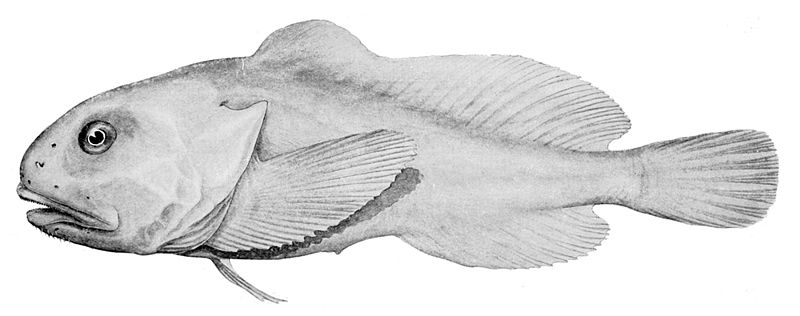
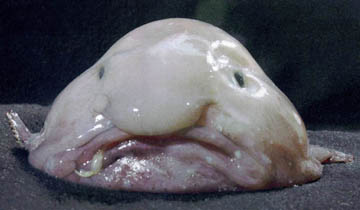
There are several species of blobfish in the family Psychrolutidae, all of which are deep sea dwellers that make their homes between 2,000 and 4,000 feet below sea level. At these depths, the pressure is up to 120 times greater than at the surface, forcing blobfish to adapt. They don’t have much bone or muscle, allowing the pressure of the deep sea to provide their with body structural support. When brought to the surface, the blobfish decompresses, giving it the iconic gelatinous look that we all know and love. However, in their natural environment, they look more like other fish in their taxonomic group Osteichthyes, or bony fish. So, maybe instead of calling them blobfish, we should call them “blob-above-water-fish.”

800px-Psychrolutes_marcidus
© Wikimedia

2. They don’t have swim bladders.

In addition to being mostly skeleton-less, the blobfish also doesn’t have a swim bladder. Most bony fish possess this organ that allows them to maintain buoyancy without floating upward or sinking. Blobfish, along with many other deep sea dwellers, do not have this organ, because the pressure of the deep ocean would cause it to burst. Instead, the blobfish’s limited buoyancy comes from their gelatinous skin.

3. They don’t move very much.

Another benefit of the blobfish’s gelatinous skin is that it allows them to float above the ocean floor without expending energy on swimming. Rather than hunting for its food, the blobfish primarily floats around and swallows crustaceans as they pass by. On a personal note, as someone who mostly gets her food by waiting for it to come to me, I have nothing but respect for these lazy legends.

4. They’re most commonly found in waters around Australia.

Blobfish have rarely been observed in the wild, but we do know that they’re most common around Australia, Tasmania and New Zealand. In fact, the world’s most famous blobfish can be found at the Australian Museum: Mr. Blobby was trawled during a deep sea expedition north-west of New Zealand in 2003 and quickly became an icon. Today, Mr. Blobby is preserved in 70% ethyl alcohol, which has caused his skin to tighten and his “nose” to shrink.

2493560617_1128b88ba6_o
© Flickr CC

5. There’s a lot we still don’t know about the blobfish.

Despite their celebrity status (for a fish, anyway) we actually know very little about the blobfish. We don’t know their life expectancies, nor do we know how they mate. In fact, scientists aren’t even sure if Mr. Blobby is actually a “Mr.” at all: in 2015, Mark McGrouther of the Australian Museum told Smithsonian Magazine that because they had not dissected the blobfish specimen, it was possible that it was, in fact, female.

As we continue to make strides in deep ocean exploration, my hope is that we can learn more about the blobfish. For now, I’ll content myself with what we do know about these globby creatures, and continue to draw them on any surface I can get my hands on.

IMG_7429
The author pictured with some of her blobfish art. © Rafeed Hussain


The post An Ode to the Blobfish appeared first on Ocean Conservancy.


from Ocean Conservancy https://ift.tt/36Ix8DJ https://ift.tt/eA8V8J

OA Alliance full video- IPCC Special Report on Ocean and Cryosphere at UN Climate Week 2019 (video)

Video.

from Web sites and blogs – Ocean acidification https://ift.tt/2T9suKR https://ift.tt/eA8V8J

The Annual Migration to Clean Up Our Coasts

Annually, seasonally and sometimes even daily, amazing oceanic migrations are taking place. Humpback whales migrate thousands of miles to b...