Friday, 5 August 2022

First Wave of Ocean Justice Small Grants

It is with great honor that the Ocean Conservancy’s Ocean Justice team announces the launch of the first annual Ocean Justice Small Grants (OJSG). OJSG is one of the programs borne out of Ocean Conservancy’s commitment to equity and justice. Our advocacy for the global ocean is grounded in our commitment to ocean justice—which we define as the fair and equitable distribution of both the benefits of the ocean’s bounty and the burdens of its complex care. Because global ocean inequalities take shape in a myriad of ways, our work as an ocean advocacy organization must be thoughtful, agile, intentional; and always oriented toward the polestar of a healthier ocean, protected by a more just world.

Climate change and environmental injustices disproportionately impact marginalized communities. Therefore, we cannot attempt to solve these dual crises without first addressing the systemic social and economic inequalities that affect these communities. In our work on the Ocean Justice team, we seek to center the leadership of Black, Indigenous and People of Color (BIPoC), and other marginalized identity communities in creating ocean community-based solutions. We are fully investing in our theory of change by applying an intersectional environmental lens to our development of the Ocean Justice Small Grants program.

Through OJSG, we seek to support and uplift the ongoing work of coastal community groups and push the needle forward on their locally led projects. Through our small grants program, Ocean Conservancy hopes to leverage our resources to spotlight and amplify the excellent conservation work of underrepresented frontline communities. And connecting our grantees to Ocean Conservancy’s network, as well as to each other, helps to cultivate a space for these historically overlooked communities to share expertise and create authentic partnerships as they solve climate and ocean issues at the ground level.

With these grants, we are looking to fund projects that sit at the intersection of a multitude of marginalized identities, and also advance our ocean justice mission in five key ways:

  • strengthening coastal communities
  • promoting sustainable fishing and traditional indigenous practices
  • protecting communities’ connections to the ocean
  • advancing ocean innovations
  • developing new ocean leaders

Would you or someone you know benefit from an Ocean Justice Small Grant? Contact Mikayla Spencer, Manager of Equitable Ocean Communities, at OJSG@oceanconservancy.org for questions and clarification.

The post First Wave of Ocean Justice Small Grants appeared first on Ocean Conservancy.


from Ocean Conservancy https://ift.tt/CYL8PKh https://ift.tt/kG7FSvc

Thursday, 4 August 2022

How Does Filter Feeding Work?

The ocean is filled with a wide variety of organisms that employ different strategies to survive and thrive in the marine environment. For example, all animals need to eat but use different methods to do so—from great white sharks which are top predators and tear apart seals to tiny snails that graze on algae. One way ocean animals eat is through filter feeding.

At first glance a filter feeder may seem like a loafing creature that would rather let food come to them rather than seeking out specific prey. However, there’s a lot more to it than you might expect! Plus, many filter feeders are indicators of the health of their environments and help the balance of water quality.

If you’ve ever felt like swimming around to have tasty food magically drift to you for your culinary pleasure, you’re just channeling your inner filter feeder! Let’s swim into the world of filter feeders and learn more about the incredible way they eat!

What is filter feeding?

Although there are many wild ways in which animals eat, filter feeding is as fascinating as it gets. Filter feeding is a method some animals use to feed where the animal finds their meal by moving through the water, or taking advantage of water moving by them, and extracting small pieces of food and other particles from the water. The creature then filters through the particles and releases the matter they do not want by forcing the water out through a sieve. The sieve type is not the same from species to species: For instance, basking sharks can force the water out through their massive gills while humpback whales use their baleen plates to retain the organisms they’d like to eat and release the remaining particles and water through their mouths.

What are the largest filter feeders?

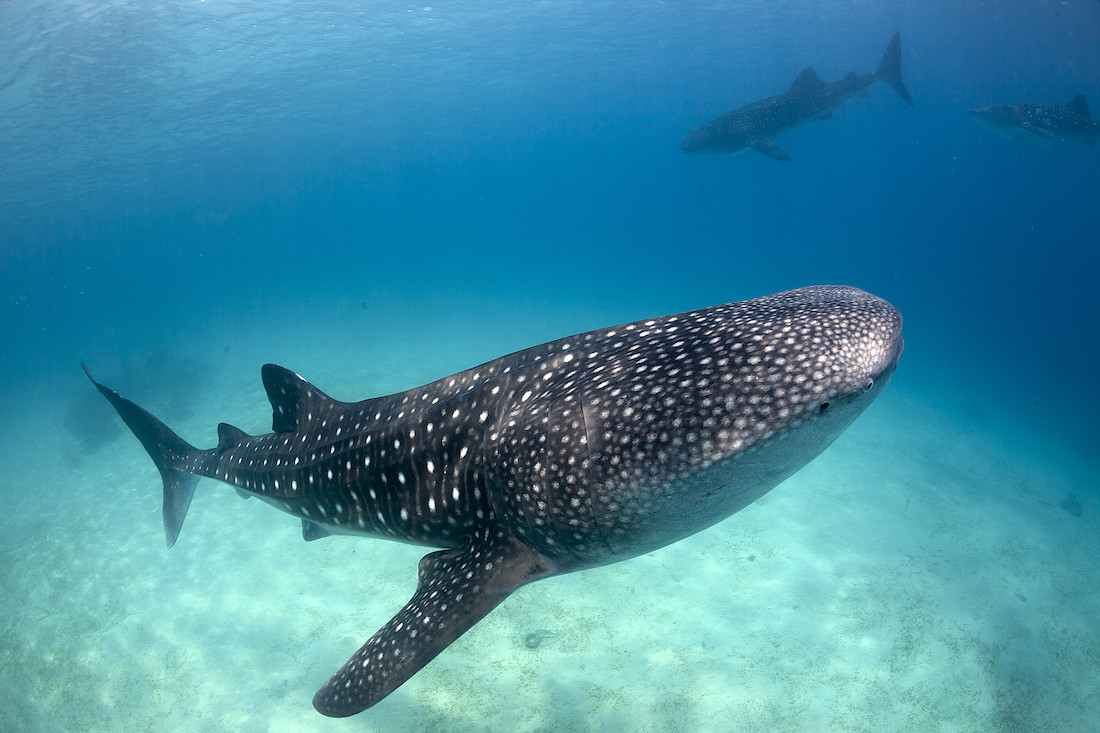
Some whales, like baleen whales, are, in fact, the largest filter feeders around. Although it may seem odd, some of the biggest ocean animals feed on some of the smallest critters of the sea. Baleen whales eat large quantities of krill in a single intake of water, and whale sharks, the largest fish in the world, take in large amounts of water and keep all the plankton they can. Another large fish, the basking shark, is also a filter feeder that uses their gill rakers in their gill slits to filter the water flowing into their mouth.

filter feeding Whale Shark swims in the ocean
© Klaus Stiefel/ flickr

How does filter feeding help water quality?

Maintaining a healthy aquatic ecosystem is a tricky task, but certain filter feeders can help keep things balanced. For example, mussels and oysters are filter feeders that remove plankton, bacteria and toxins from the water and even increase ecosystem health. Without them, phytoplankton could grow out of control, leading to eutrophication which adds excessive richness of nutrients to the water. Many bodies of water depend on these small creatures to balance water quality, however overharvesting and habitat loss due to human activity have led to a decline in these species. This is a prevalent issue in the Chesapeake Bay where filter feeder numbers are dwindling.

What are some other filter feeders?

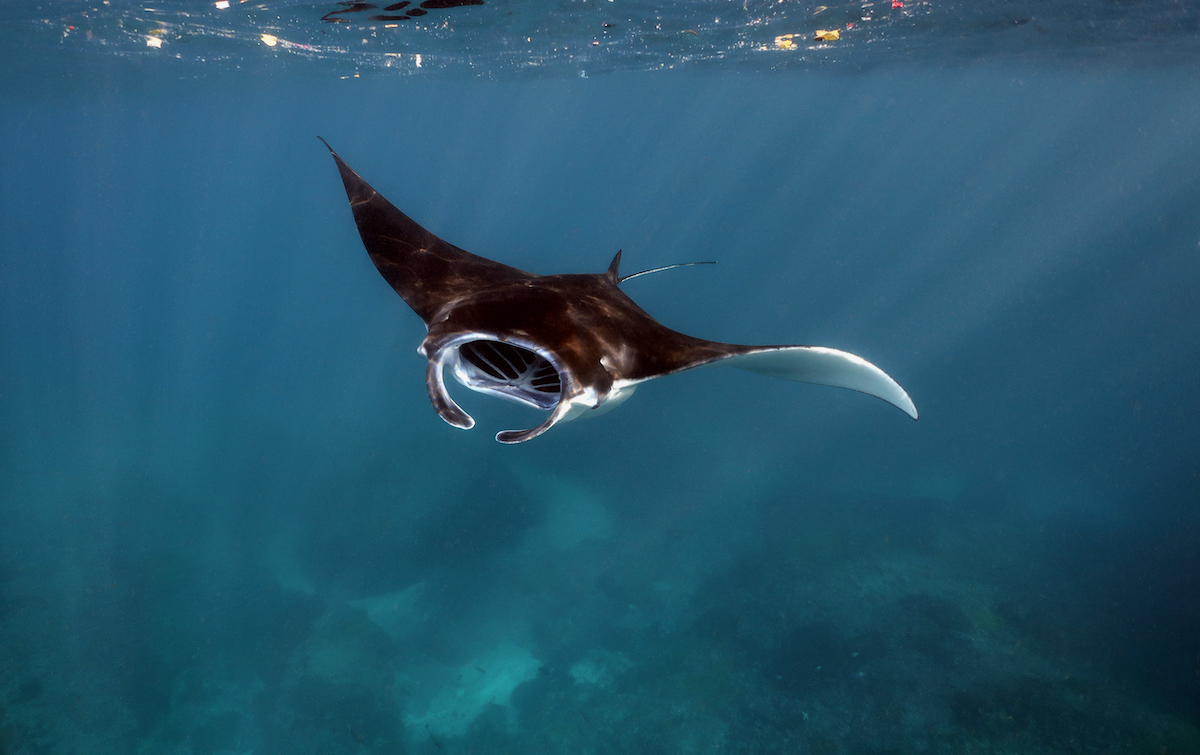
Along with baleen whales and mollusks, other fascinating creatures also filter feed. Sponges, although they are stationary, have canals that can filter out food from passing water and release the water through openings in the sponge. Flamingos are also an unexpected filter feeder as they feed on the brine shrimp, using their beaks to separate mud from their food. Other waterfowl such as some species of ducks and geese also filter feed, straining their food from the water using their special bills to divide their findings. Manta rays are also unique filter feeders, taking tiny organisms into their open mouths and using their small fins, known as cephalic lobes, to push particles in and filter them out through the plates on their gills.

Filter feeding Manta Ray swims in the ocean
© Anett Szaszi/ Ocean Image Bank

Filter feeding has been around for a long time: Scientists have found evidence that prehistoric filter feeders once roamed the sea.

So, if you’re ever wondering what it would be like to be a filter feeder, just remember, it’s not as easy as it looks!

Despite their clear importance to the health of our aquatic ecosystems some filter feeders are struggling against the impacts of human activity and habitat loss. You can help by taking action today; visit our Ocean Conservancy action center to protect the wildlife that we and our ocean rely upon.

The post How Does Filter Feeding Work? appeared first on Ocean Conservancy.


from Ocean Conservancy https://ift.tt/lmSvw83 https://ift.tt/kG7FSvc
Wednesday, 3 August 2022

Setting Sail to Collect Ghost Gear in Maine

For as long as I can remember, I’ve loved being on the water. I come to it naturally: My mother grew up in a family of sailors, and while I never had the chance to sail with them myself, I spent my childhood hearing about their adventures on Lake Michigan. This is why I was so excited to have the opportunity to join Ocean Conservancy’s Global Ghost Gear Initiative® (GGGI) and the Rozalia Project for a cleanup of ghost gear in Maine aboard their 60-foot sailing vessel, the American Promise.

Ghost gear (also called ALDFG or abandoned, lost, or discarded fishing gear) is the most harmful form of marine debris, and at Ocean Conservancy, we are tackling the issue from all angles, from prevention to removal projects. With support from the National Oceanic and Atmospheric Administration (NOAA), the GGGI partnered with the Rozalia Project to organize a sailing expedition to remove thousands of pounds of ghost gear and other debris from remote islands in the Gulf of Maine.

The Rozalia Project is a nonprofit dedicated to addressing the problem of marine debris. A longtime partner of Ocean Conservancy, the Rozalia Project protects and cleans the ocean using technology, innovation and solutions-based research onboard the historic American Promise. Fun fact: The America Promise was used by Dodge Morgan in his record-breaking solo circumnavigation of the planet (a fact my grandfather was delighted to hear). Since its founding in 2010, the Rozalia Project has removed more than 1 million pieces of trash from our ocean and waterways.

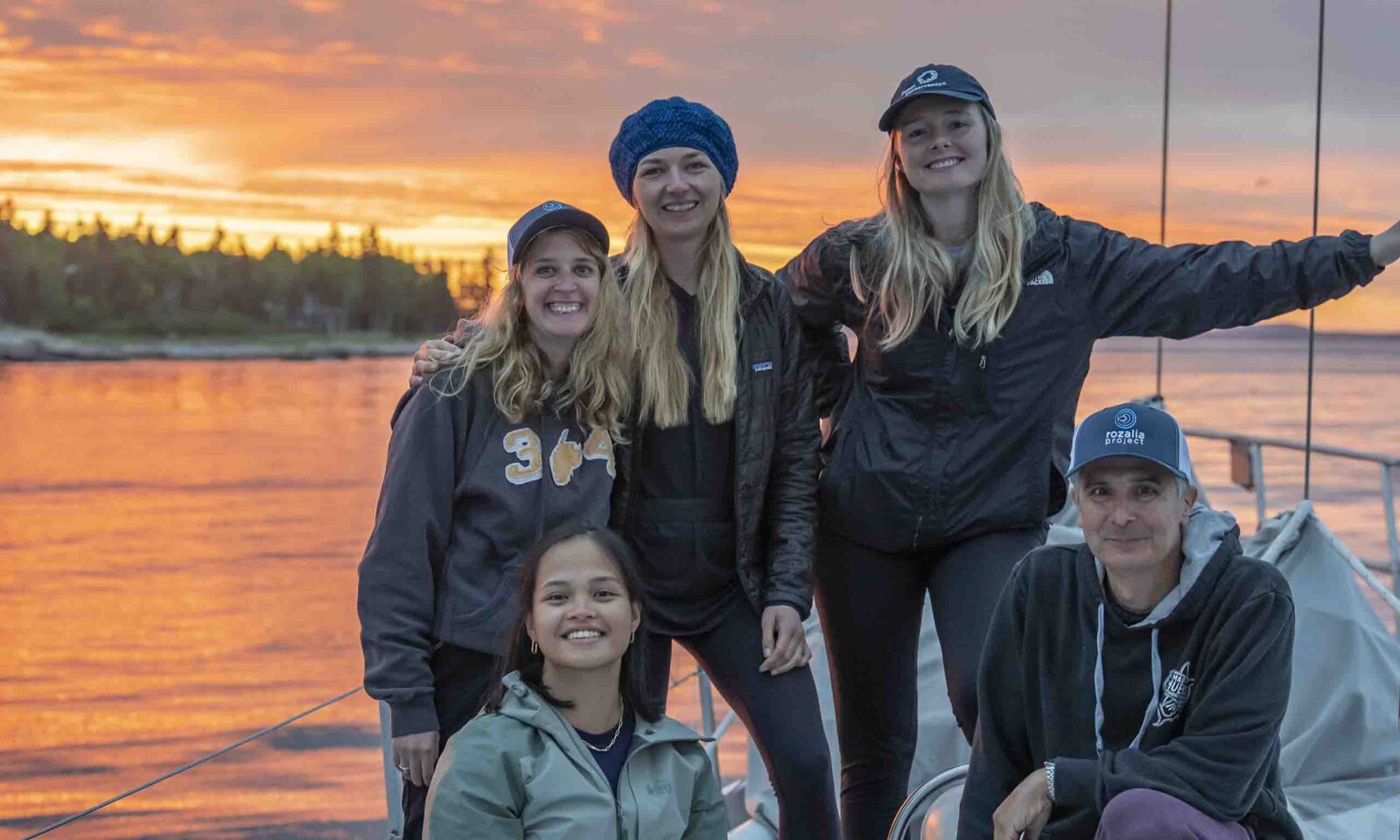
In late June 2022, the crew set out on our four-day journey. We began by sailing a little more than 10 nautical miles from Bar Harbor to Corea Harbor, and, right away, the Ocean Conservancy crew was thrown into the action: Under the watchful eyes of our captain and first mate, we were hauling sails, cranking winches and even steering the boat through a minefield of lobster traps. We learned ship terminology and got familiar with every nook and cranny of our home for the next few days. We slept in bunks onboard, allowing us the quickest and easiest access to Maine’s thousands of coastal islands.

A group of Ocean Conservancy staff smiling aboard the American Promise sailboat with their backs to an incredible orange and purple sunset.
From bottom left clockwise to bottom right: Alliyah Lusuegro, Ainsley Stewart, Sarah Sorenson, Madeline Black (author), Chris Dorsett © Gigi Veve

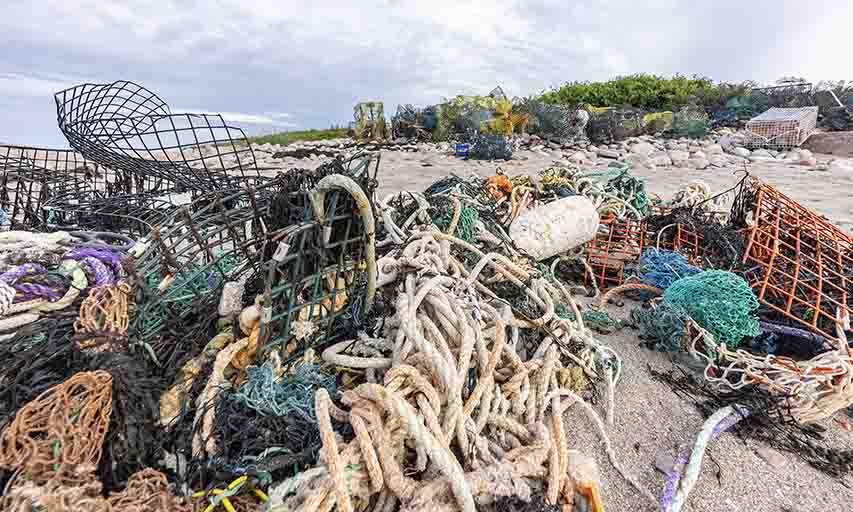
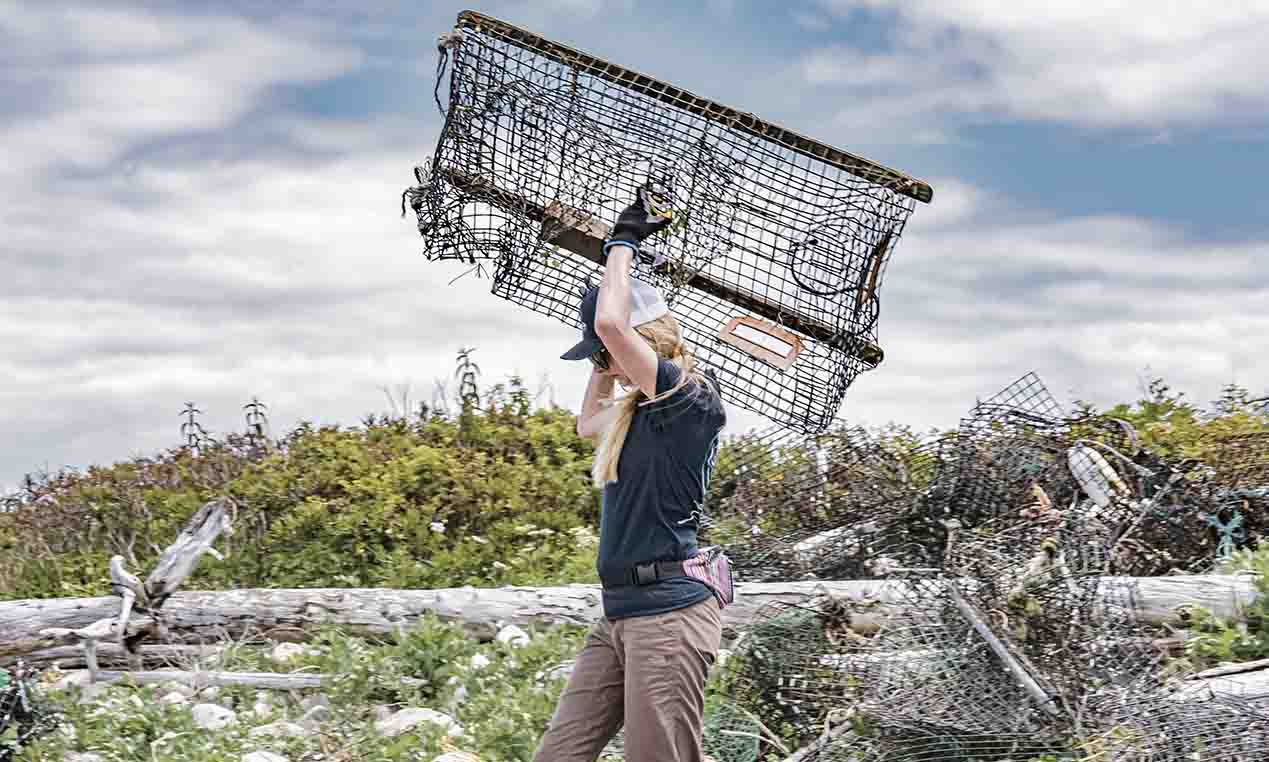
After a night in Sand Cove (and my first anchor watch), we set out for the main event: a cleanup of Outer Bar Island. In my years working with the GGGI team, I’ve seen plenty of ghost gear, but this sight was on a different level. Half of the island was piled high in every direction with lobster traps, fishing rope, bleach and oil bottles, and other debris. However, it wasn’t entirely surprising. Ghost gear is a problem wherever fishing takes place, and in areas like Maine with big fishing industries, the problem is particularly pronounced. Within the United States, it’s been estimated that as many as 20-25% of lobster pots are lost annually. In Maine alone, 3 million pots are set every year, potentially adding at least 600,000 new ghost traps to Maine waters annually.

Lobster traps, fishing nets and other marine debris are comingled in the foreground on the beach with a dune in the background covered in more debris.
© Gigi Veve

We had our work cut out for us. On the first day of cleanup, we were joined by volunteers from the Maine Island Trail Association, and we split up into teams. Some of us were tasked with disentangling traps, cutting out the bricks used to weigh them down and cutting off any entangled rope, then hauling the gear to small boats to take them to the mainland. Another group took the gear to the mainland, brought it to a dumpster and played a treacherous game of Tetris to get all the traps to fit. It was tough work, but after a single day, we had cleared about a third of the island’s debris.

The next day was focused primarily on cleaning some of the smaller trash, like ropes and buoys, along with data collection. All the debris collected during the trip were recorded and added to the GGGI’s global data portal, the world’s largest repository of ghost gear data. This data is used to better track, understand and address the problem of ghost gear.

A person hauls a large lobster trap over their head as they walk across a beach.
© Gigi Veve

In total, we removed a whopping 4,723 pounds of traps, rope and other debris from the island—and the majority of this, by weight, were traps that could be recycled. We partnered with Rowlands Recycling in Steuben, Maine, to recycle the metal into light iron from the traps we collected.

The final day of the trip was spent sailing about 50 nautical miles down to Rockport, Maine. There the Rozalia Project crew was going to perform maintenance on the American Promise ahead of their plans to continue the cleanup and remove an estimated 7,000 additional pounds of ghost gear later this summer.

As I took the helm of the boat for the first time and steered us past Acadia National Park and through miles of lobster traps, I felt connected to the water, to my family history and to Ocean Conservancy’s work in new ways. Even with aching arms and sunburned ankles, I would have happily turned the boat around to do another cleanup.

The post Setting Sail to Collect Ghost Gear in Maine appeared first on Ocean Conservancy.


from Ocean Conservancy https://ift.tt/tJZXRy4 https://ift.tt/b2wckBx

Friday, 22 July 2022

Ultra-black Fish Are “Living Black Holes”

The ocean is full of mysteries, and nowhere is more mysterious than the deep sea. Because of its intense pressure, utter darkness and freezing temperatures, the deep-sea habitat is not for everyone. But from tube worms that thrive on toxic hydrothermal vents to entire communities that pop up around whale falls, animals have employed all kinds of strategies to survive there.

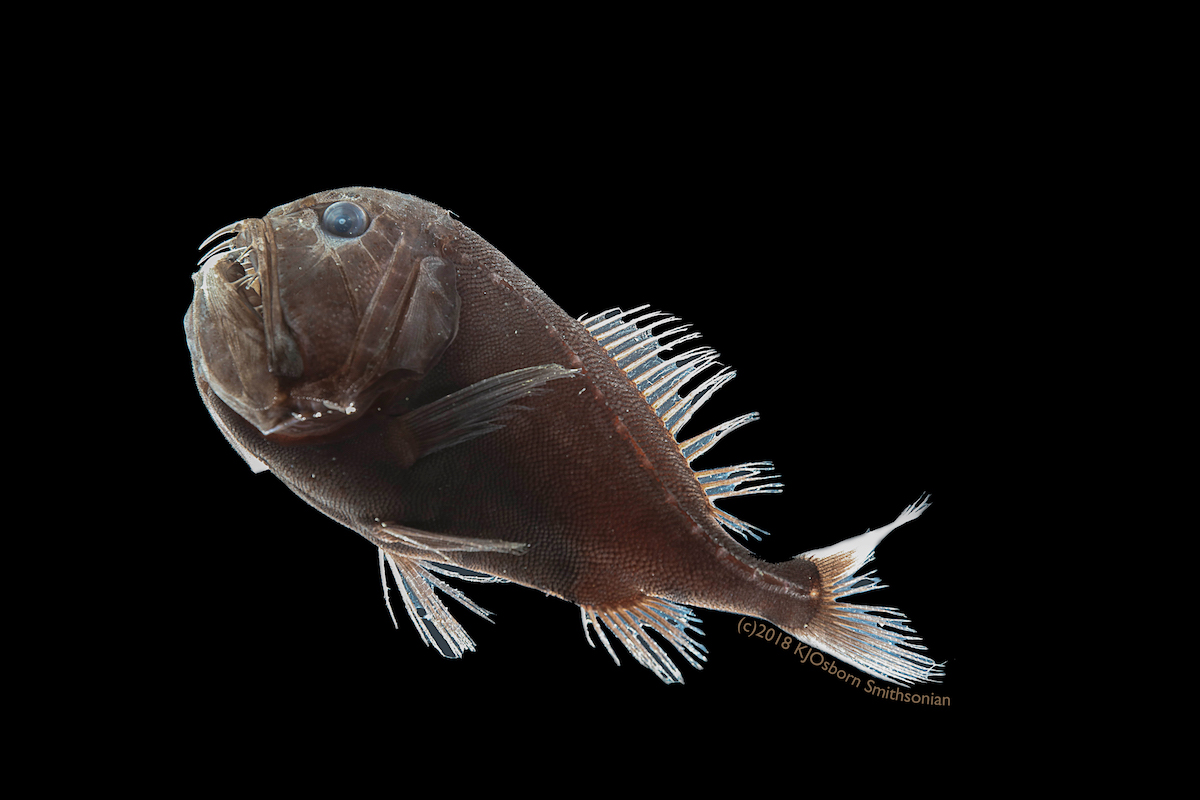
Scientists have discovered another weird and wild way animals survive in our ocean’s deepest depths: ultra-black coloring. A team of scientists discovered that 16 different species (that we know of!) use deep black coloring to stay hidden in the deep sea. They’re so dark that they resemble Vantablack, the manmade pigment that absorbs 99.965% of light that hits it. (If you want to go down a [black] rabbit hole, check out the MIT-created material that is apparently 10x blacker than Vantablack.)

Why be ultra-black in the dark deep sea?

Sunlight can travel only so far in the ocean. The sun’s rays can penetrate to a depth of about 1,000 meters, but only the top 200 meters—known as the photic zone—get enough light to support photosynthetic plant life. But sunlight isn’t the only light available: Bioluminescence, or chemically-produced light that comes from an organism, is common in the deep sea. The sudden bioluminescent light from a predator  can surprise and stun potential prey or illuminate them for easier visibility. Some animals definitely use their lights as lures in the deep sea to draw prey to them. Doing this can distract or misdirect a predator for a time, allowing the prey to quickly escape. A glowing light can also signal to predators that the potential prey is toxic and also serve as a warning sign for others that a predator is among them.

Ultra-black Fish in black water
© Karen Osborn, Smithsonian

Sometimes, however, animals need to be stealthier. For some species that use lures, like the anglerfish, there needs to be a way that the lure brings prey in without lighting up the waiting predator behind it. That’s where ultra-black coloring comes in. “Ultra-black” means the material absorbs 95% or more of the light that hits it. There are a few other animals that fall in this category, including some insects and birds, but it’s relatively rare to find.

How do they do it?

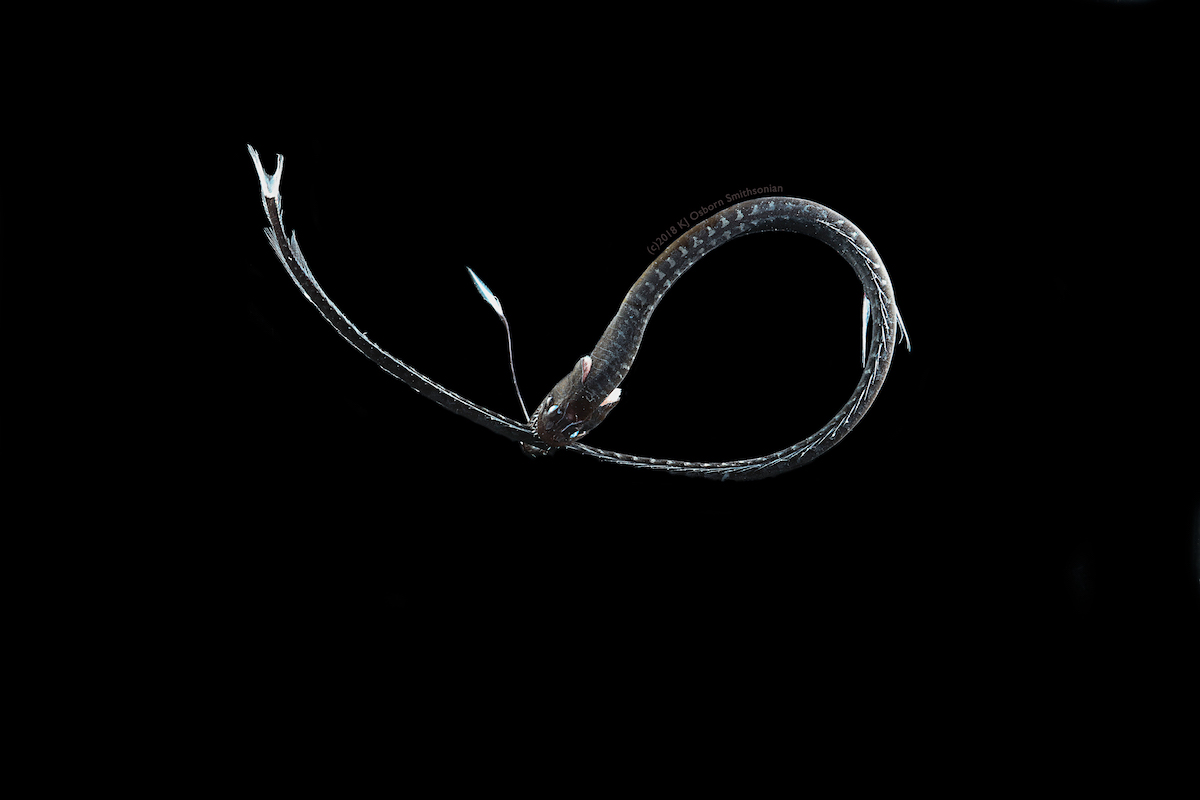
It’s not easy to achieve ultra-black status which requires lots of energy and special traits. When the scientists looked at the skin of these fortunate fishes under a microscope, they found that their melanosomes, or specialized skin structures that store melanin, had a unique configuration. Rather than supported by collagen proteins, like other animals, the melanosomes in these species were packed incredibly tightly. This means that less incoming light is reflected straight back out to the observer.

Ultra-black Fish in black water
© Karen Osborn, Smithsonian

With much of the deep sea still unexplored, we’re likely only scratching the surface of the strange and unusual ways animals survive there. But just because the deep sea is remote doesn’t mean it’s immune to human influence—help Ocean Conservancy protect the deep sea, and the animals that live there, from climate change and plastic pollution.

Can’t get enough weird and wonderful deep-sea critters? Learn about the dumbo octopus, the deep-sea lizardfish and the Pacific footballfish.

The post Ultra-black Fish Are “Living Black Holes” appeared first on Ocean Conservancy.


from Ocean Conservancy https://ift.tt/r3AtNbT https://ift.tt/7HCyGae

Thursday, 21 July 2022

Building Power for the Ocean at the UN Ocean Conference

After a two-year delay due to the pandemic, the United Nations (UN) Ocean Conference returned to an in-person event this June. Thousands of people from around the world gathered in Lisbon, Portugal, to discuss the biggest challenges facing our ocean and how best to work together to achieve Sustainable Development Goal 14: Life Below Water. The Sustainable Development Goals (SDG) are a set of global priorities to be achieved by 2030 to ensure a healthy and livable future for people and the planet with a specific focus on our ocean. Representatives from several Ocean Conservancy teams and our CEO, Janis Searles Jones, were there and ready to make a splash!

Ocean Conservancy’s presence throughout the UN Ocean Conference was robust, contributing our voices and expertise throughout the many action-oriented discussions, from delivering plenary remarks and organizing side events to participating in the interactive dialogue on marine pollution, the Youth Forum, the Blue Economy Investment Forum and bilateral meetings with public and private sectors. The conference also offered the perfect venue to meet with our partners in person, building and cementing relationships with critical stakeholders in ocean conservation.

Here are some of the highlights from our teams on the ground:

Fighting Climate Change in the Ocean

It was abundantly clear at the UN Ocean Conference that enabling ocean-based climate solutions is a priority on the global agenda. Ocean Conservancy advocated for the full range of ocean climate action—from developing renewable offshore wind energy to protecting blue carbon and decarbonizing maritime industries. These actions will be included in countries’ nationally determined contributions as part of the United Nations Framework Convention on Climate Change (UNFCCC) process, particularly in the buildup to this year’s COP27. We also encouraged countries to meet their stated climate ambitions in all other UN fora including the International Maritime Organization (IMO), the Convention on Biological Diversity (CBD), United Nations Environment Assembly (UNEA) and the High Seas Treaty. The mandate to address the climate crisis is too urgent for countries to support bold mitigation and adaptation pledges in one meeting and then potentially block progress in another. During the conference, Ocean Conservancy submitted voluntary commitments on climate action. We also co-organized a high-level dinner for Friends of Ocean and Climate parties, a group of nations committed to advancing ocean climate action, where our CEO was a featured speaker.

Promoting Ocean Conservancy’s Global Ghost Gear Initiative® (GGGI)

Ghost gear—abandoned, lost or discarded fishing gear—is the most harmful form of marine pollution, and the need to reduce it intersects with many other sustainable development goals (SDGs), such as ensuring food security.  Our GGGI team participated in many events throughout the UN Ocean Conference, raising awareness for the importance of addressing ghost gear as a major pollutant of the ocean. The team called attention to the International Maritime Organization’s (IMO) movement to make gear marking mandatory. GGGI also co-hosted a side event and panel in the SDG media zone, and announced at a plenary session that Walmart, the largest retailer in the world, has become a member of the GGGI. The GGGI team also hosted an informal member gathering that brought together 30 of its stakeholders after years of virtual-only meetings! Since February, the UN has been working on a legally binding international instrument to address ocean-plastic pollution. The GGGI took this opportunity to advocate with member states to include ghost gear in the negotiations.

Confronting Plastics Pollution in the Ocean

The problems caused by plastics in the ocean and other forms of marine debris were prominent themes across many events at the Conference. As the process to approve the international legally binding instrument to address ocean-plastic pollution continues, Ocean Conservancy was front and center. Here, we advocated for upstream and downstream actions to reduce plastic pollution, the inclusion and empowerment of the informal sector and waste pickers in these negotiations, and the development of policy measures for innovative financial instruments to reduce ocean debris. At the conference, Ocean Conservancy participated in the Plenary and co-hosted a side event to raise awareness on some of these topics. Furthermore, we also supported plastic production reduction as an important climate solution, given that plastic is made from fossil fuels which are responsible for increasing carbon pollution in the environment.

Reducing Shipping Emissions Around the Globe

Seen from almost any angle, the problems created by shipping emissions are at the heart of the challenges facing our ocean. A number of events at the Conference, including several co-sponsored by Ocean Conservancy, brought attention to the impact of shipping on climate. We advocated more adequate greenhouse gas reduction targets than those set by the IMO and called for green shipping corridors around the world, nowhere more critical than in the Arctic where we must mitigate the risks posed by shipping to marine ecosystems. During the conference, Ocean Conservancy announced that DHL, Hillebrand-GORI, Inditex, Fisker and FGI Universal are the newest signatories of the Arctic Corporate Shipping Pledge. Altogether, 27 leading entities have committed not to use the Arctic as a route for shipping goods. Keeping shipments out of the Arctic will lessen the stress on these fragile ecosystems so that they can adapt and survive in rapidly changing conditions.

The UN Ocean Conference is instrumental in elevating a healthy ocean on the global agenda. This meeting in Lisbon was a clear call to action, a mandate to work together to protect our ocean. Ocean Conservancy brought expertise to the table, raised the profile of the ocean as related to climate change and created lasting connections with ocean stakeholders, all in the name of progress in the fight for our ocean. We look forward to the next UN Ocean Conference!

The post Building Power for the Ocean at the UN Ocean Conference appeared first on Ocean Conservancy.


from Ocean Conservancy https://ift.tt/pxAlzR7 https://ift.tt/qPE032J

Thursday, 7 July 2022

Sea Birds to See in Florida

“Florida and beaches” are like “peanut butter and jelly”—they just go together, a match made in heaven. Between the soft sand, unique seashells, warm waters and fascinating ocean animals, there are so many things to love about Florida beaches. One of the best perks to walking along a Florida shoreline is simple: sea birds.

Florida is known as an amazing state for bird watching with a multitude of species that live there, but you don’t have to be a hard knocks bird watcher to catch a glimpse of a few sea birds. Sitting on a Florida beach, you can see sea birds ranging from the tall, proud blue heron to the tiny, cute snowy plover.

With that in mind, let’s swan dive into the sea birds of Florida and meet just a few of these cute fellow beach lovers.

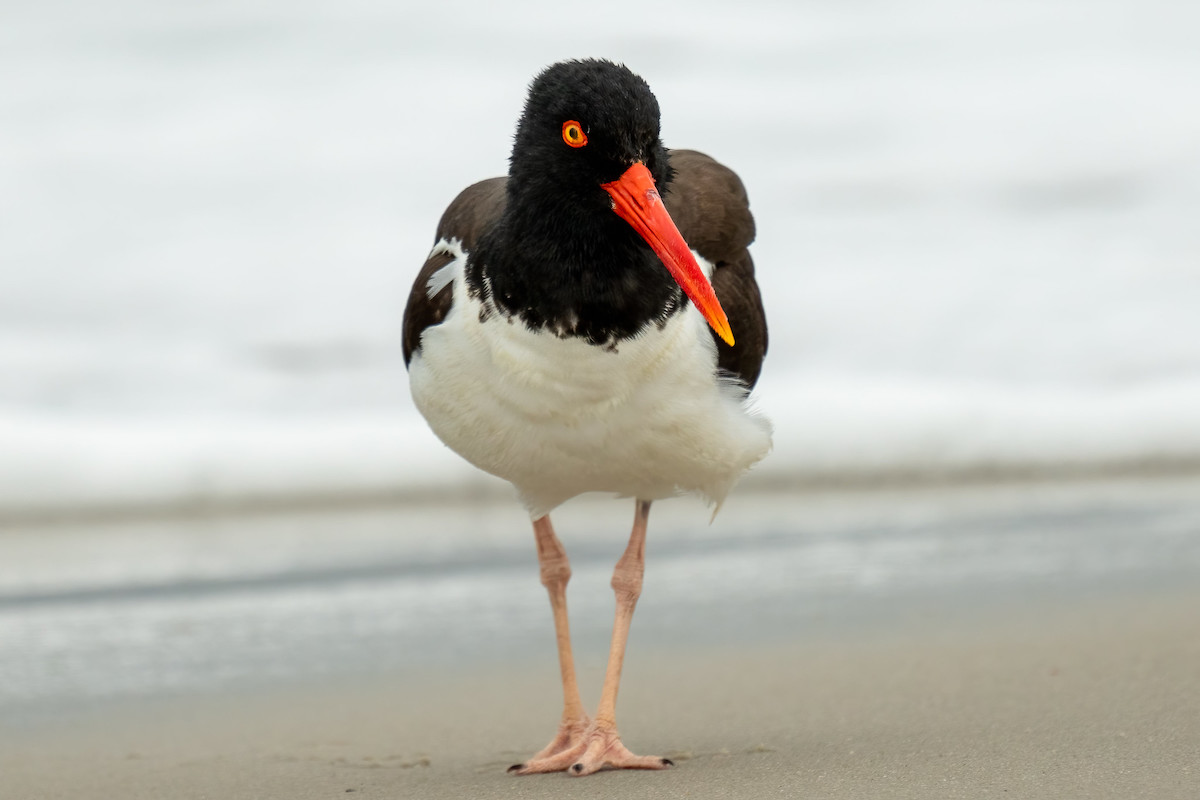
American Oystercatcher

An American Oystercatcher walking on the beach sand
© Miki Jourdan/ flickr

The American oystercatcher is one hard-to-miss sea bird. These birds have long bright orange bills and yellow eyes with a red ring around them that make them look like they mean business! This sea bird can reach up to about 18 inches in length with a wingspan of up to 32 inches. As its name might suggest, this bird really does catch oysters. American oystercatchers primarily feed on mollusks, worms and jellyfish, using their long beaks as a shucking device to open the shells. The oystercatchers tend to nest in the sand or among shells, leaving their nests at risk to be threatened by beachgoers and predators alike.

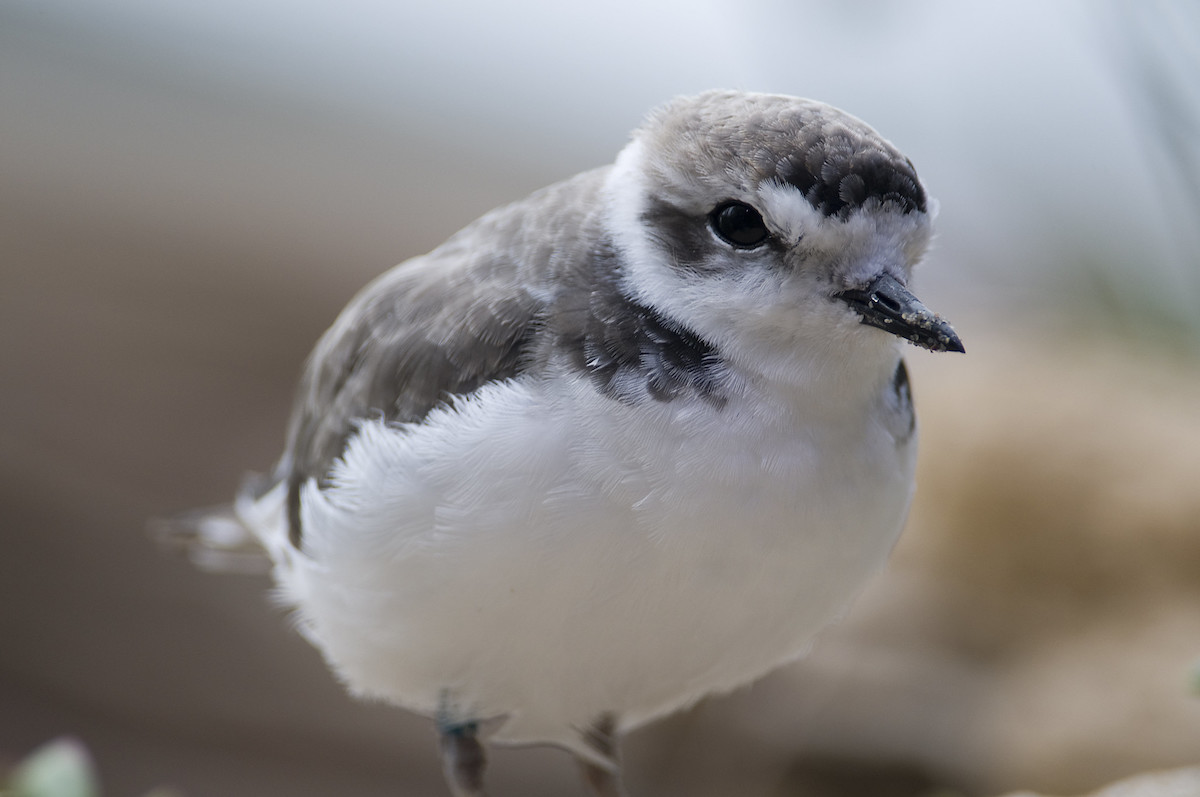
Snowy Plover

A snowy plover perched
© Matt Knoth/ flickr

This tiny sea bird is distinguished by its Speedy Gonzales-esque run along the shoreline and its small puffy look. The snowy plover can reach around six inches in length and have a wingspan of about 13 inches. These birds have short gray legs, black bills and white and gray feathers. These plovers nest along Florida beaches, building small nests with twigs and shells in the sand. They are highly at-risk due to increased human disturbances, predators and habitat loss. Lounging on the beach, you might be able to see one of these sea birds or another species of plovers that love Florida beaches, like the black-bellied plover or the piping plover. These sea birds are small yet mighty. Remember, if you happen to catch a glimpse of one, make sure not to disturb its habitat!

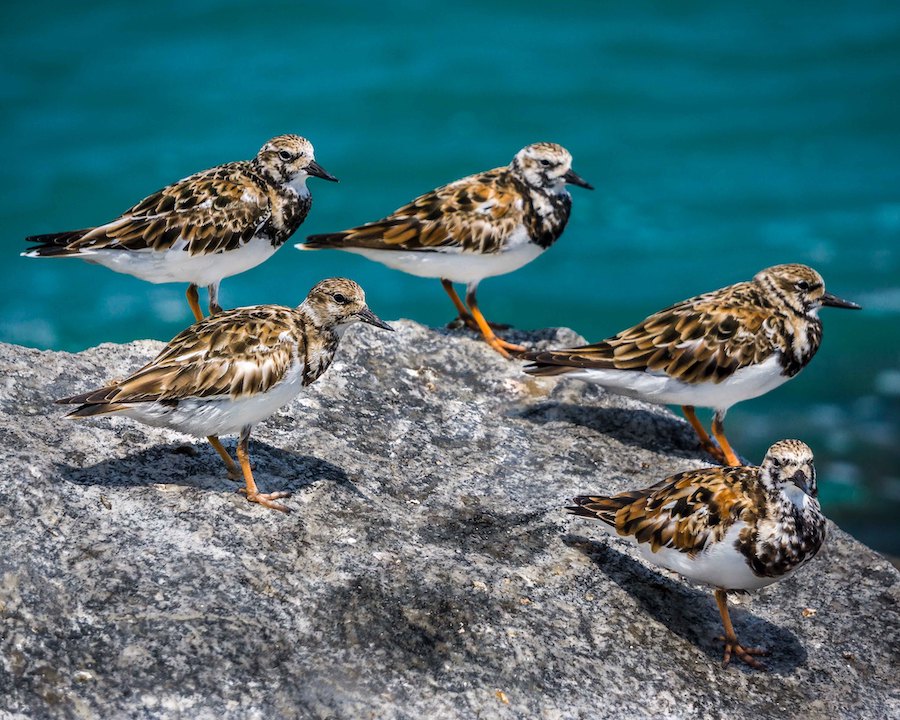
Ruddy Turnstones

A small group of ruddy turnstones stand on a rock
© FotoFloridian/ flickr

Fittingly named, this brightly-colored sea bird features reddish—almost muddy-looking—plumage, which explains one half of its name (ruddy). The other half of their name (turnstones) comes from the fact that they use their bills to turn over stones, rocks and pebbles in search of the perfect sea food! You can typically find these birds lurking along the shoreline where the waves have pushed together shells and seaweed. Like many vacationers, these birds only winter in Florida; they breed in the Arctic tundra and travel a long way to catch some rays and take in the sights.

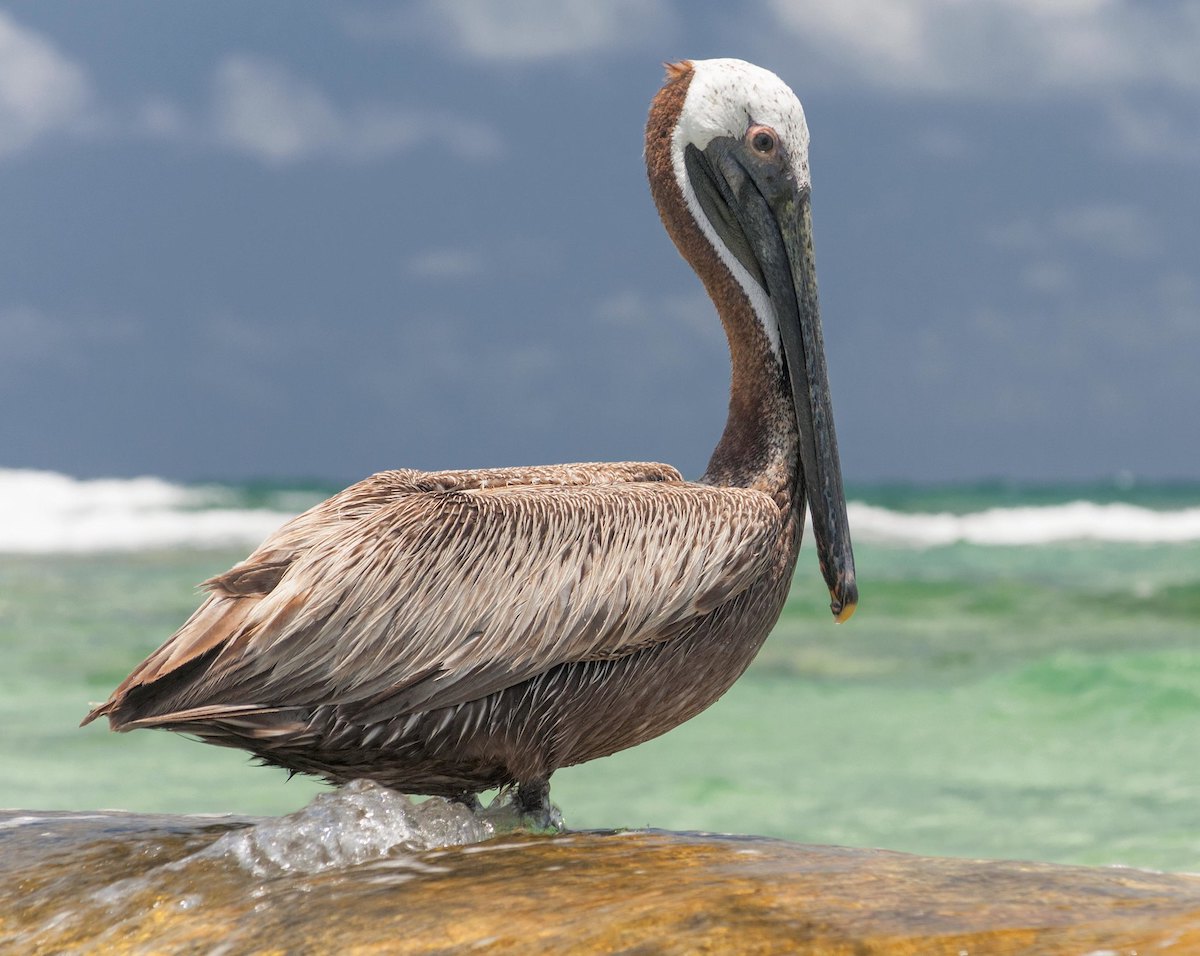
Brown Pelican

Brown pelican perched on a rock
© Rodger Evans/ flickr

This next sea bird is known to be goofy-looking and can be seen soaring just above the ocean waves as it scoops fish into its large beak pouch. Brown pelicans have wingspans of up to six feet. Their brown coloring, long skinny necks, large beaks and throat pouches all come together to make that signature pelican look. On a typical warm summer day, you can find a group of pelicans sunning along a fishing pier and plotting their next flights. These birds dive headfirst into the ocean from heights of up to 50 feet to scoop up fish swimming just below the surface. Once they’ve retrieved their meal, they tilt their heads and let out the water collected in their bill pouch so they can safely snack on their fish. Although once threatened by the use of DDT, since its ban, this sea bird has made a remarkable comeback.

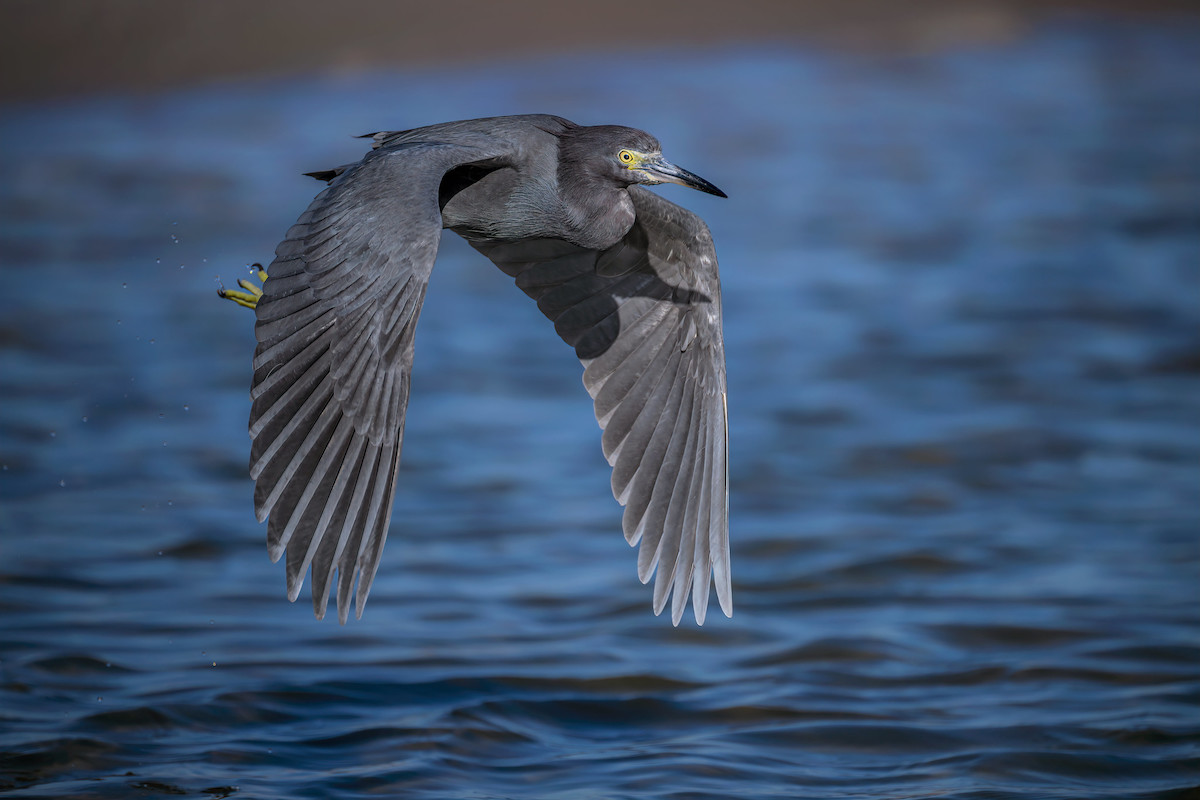
Blue Heron

A great blue heron takes flight
© Diana Robinson/ flickr

The great blue heron is hard to miss on a Florida beach; these tall fellows have long legs, necks and bills, all of which add up to create a can’t-miss kind of sea bird. Great blue herons can grow up to five feet tall and have a wingspan of almost seven feet! They have unmistakable grayish-blue plumage that gives them their name. The great blue heron tends to be found along Florida marshes, lakes and even the occasional shoreline looking for their next snacks of fish or invertebrates.

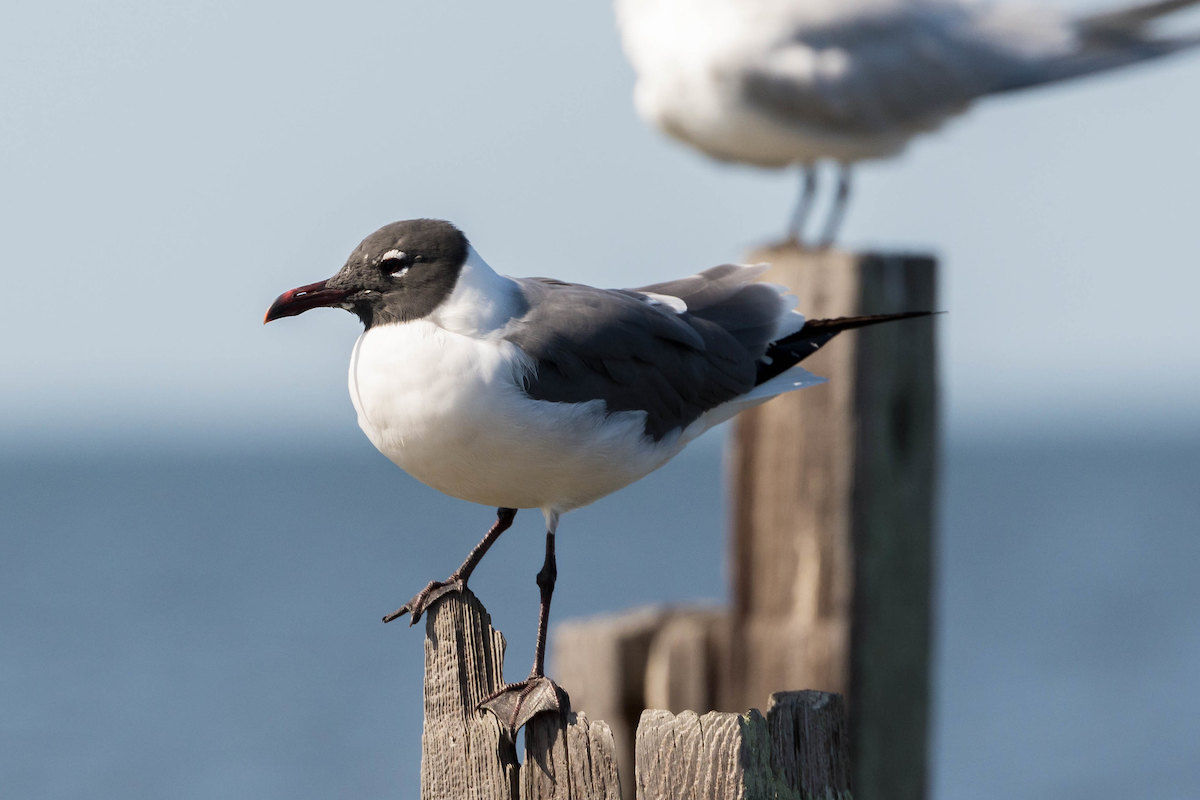
Laughing Gulls

A laughing gull stands on a deck
© Andrew Cannizzaro/ flickr

If you’ve ever visited a Florida beach, the sound of the laughing gull call will not be unfamiliar to you. In fact, when you close your eyes and imagine the sounds of the beach, the laughing gull call is most likely a part of the soundscape. These sea birds are among many species of gulls that spend their days flying over beaches and hanging around docks in large numbers looking for aquatic invertebrates or handouts from beachgoers. Their signature black heads and grey and white bodies give them a distinguishable look to go along with their iconic “laugh”. Curiously enough, these sea birds are a bit mischievous as they’ve been known to steal food from brown pelicans right out of their pouches. Talk about rude!

Clearly sea birds are sea-riously amazing animals that add an unforgettable signature on Florida shorelines.

If you ever find yourself strolling along a Florida beach, try to catch a glimpse of some of these amazing birds. Look down, and maybe you’ll see the speedy plover running across the sand, or look up, and perhaps a brown pelican will fly overhead searching for its next meal. These natural wonders are always in need of a little support to keep their beaches clean; visit Ocean Conservancy’s action center to advocate for the animals that rely on a healthy ocean like these spectacular sea birds.

The post Sea Birds to See in Florida appeared first on Ocean Conservancy.


from Ocean Conservancy https://ift.tt/37EWj19 https://ift.tt/70SvD4J

Tuesday, 5 July 2022

Meet the Real Ocean Animals of SpongeBob SquarePants

Who lives in a pineapple under the sea? Well, you know the answer, I hope! The Nickelodeon show SpongeBob SquarePants has been adored by many since it first aired in 1999. While the species that inspired some of its characters, such as Mr. Krabs and Patrick Star, may be easy to identify, there are a couple of species in this Nickelodeon classic cartoon that may not be so obvious. (And I think you should know a bit more about them as well.) Jump on in and take a trip down to Bikini Bottom with us and meet some of the real ocean animals behind this world-renowned cartoon cast!

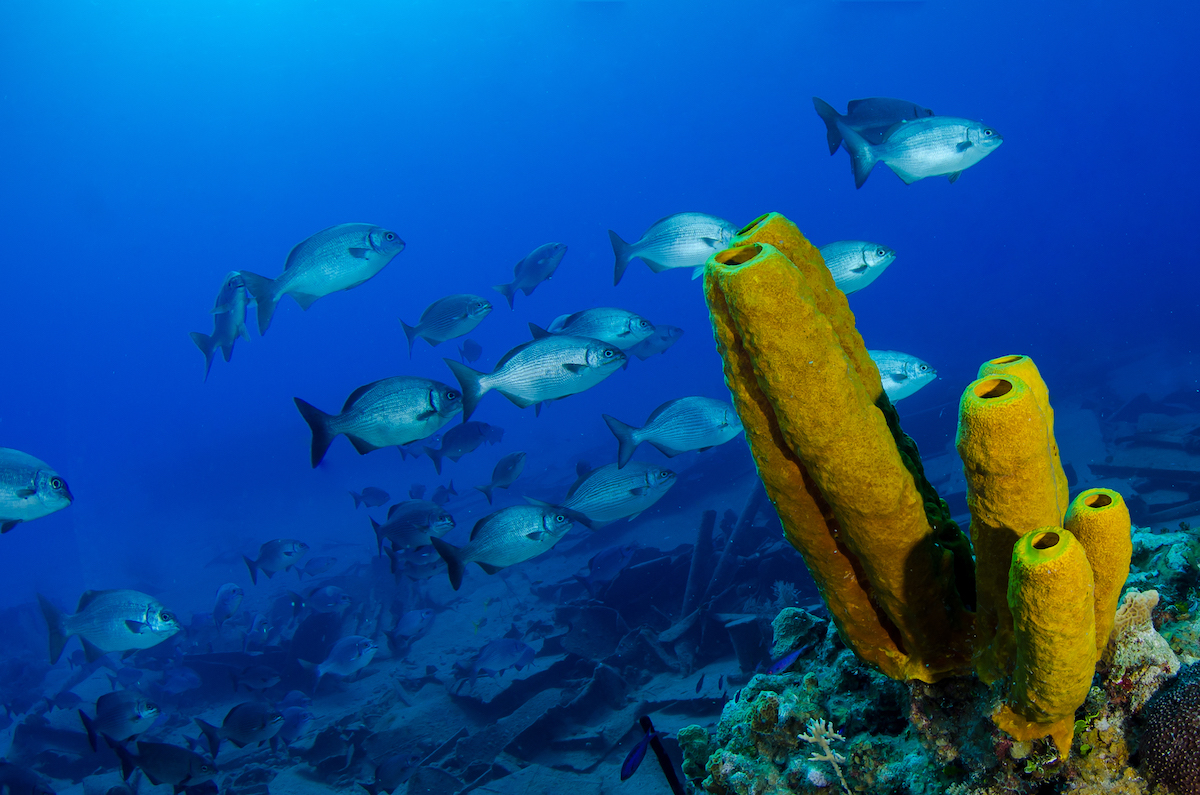
SpongeBob

Sponge in the ocean with fish swimming by
© Bryan Winter

All right, I have to say it … since he’s square, it might be worth considering that SpongeBob is actually a dish sponge that somehow become lost at sea as marine debris. But, for the sake of this blog (and the fact that the series’ creator was a marine science teacher and thought sea sponges were super cool and underrepresented animals), let’s say he’s a sea sponge. While these multicellular animals are some of the simplest in the sea, they play a huge role when it comes to maintaining healthy ecosystems. They’re filter feeders, pumping water through the canals of their bodies and securing food before expelling the water. Their special collar cells also have little whip-like appendages that trap food floating by. There are around 5,000 living sea sponge species today!

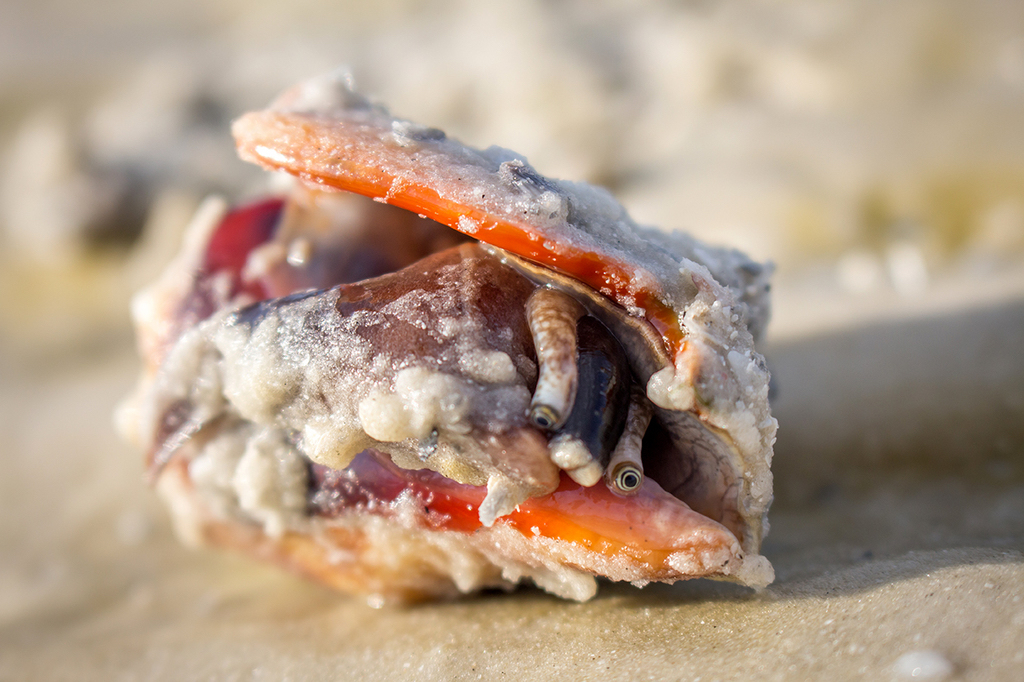
Gary

Sea Snail SpongeBob Squarepants character in real life
© Microcosmic:iNaturalist

Onto SpongeBob’s loyal companion (and supposed pet), Gary, who is a sea snail. These marine snails are a diverse group of gastropods; they can spend time on land, in saltwater or freshwater, can come in various colors and can be carnivores, herbivores or omnivores. These mollusks are a very important food source for many marine wildlife and help keep marine ecosystems healthy by performing tasks such as removing algae and dead plant matter.

Pearl

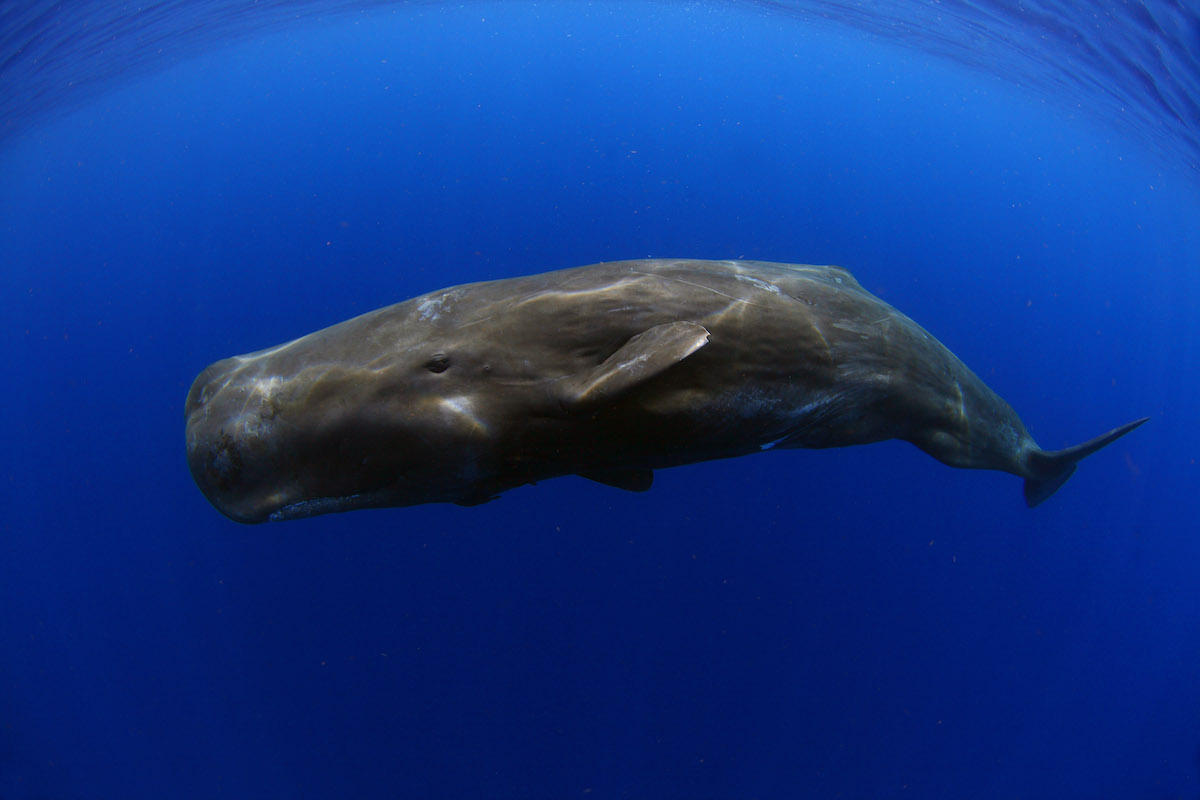
Sperm whale in the ocean
© Douglas Kahle

This glamorous and giant character (compared to the other cast members of the show, that is) is a sperm whale. The largest of all toothed whales, sperm whales can grow to be longer than the typical transit bus. The cartoon depiction of Pearl is actually spot-on when it comes to the size of her head: Sperm whale heads measure up to one-third of their bodies! Yet, while they might have enormous heads, they have comparatively small eyes, so Pearl’s eyes probably could’ve been sized down quite a bit. Sperm whales get their name from an organ in their heads called the spermaceti organ, which holds a reserve of oil that could be used in echolocation or to help their buoyancy.

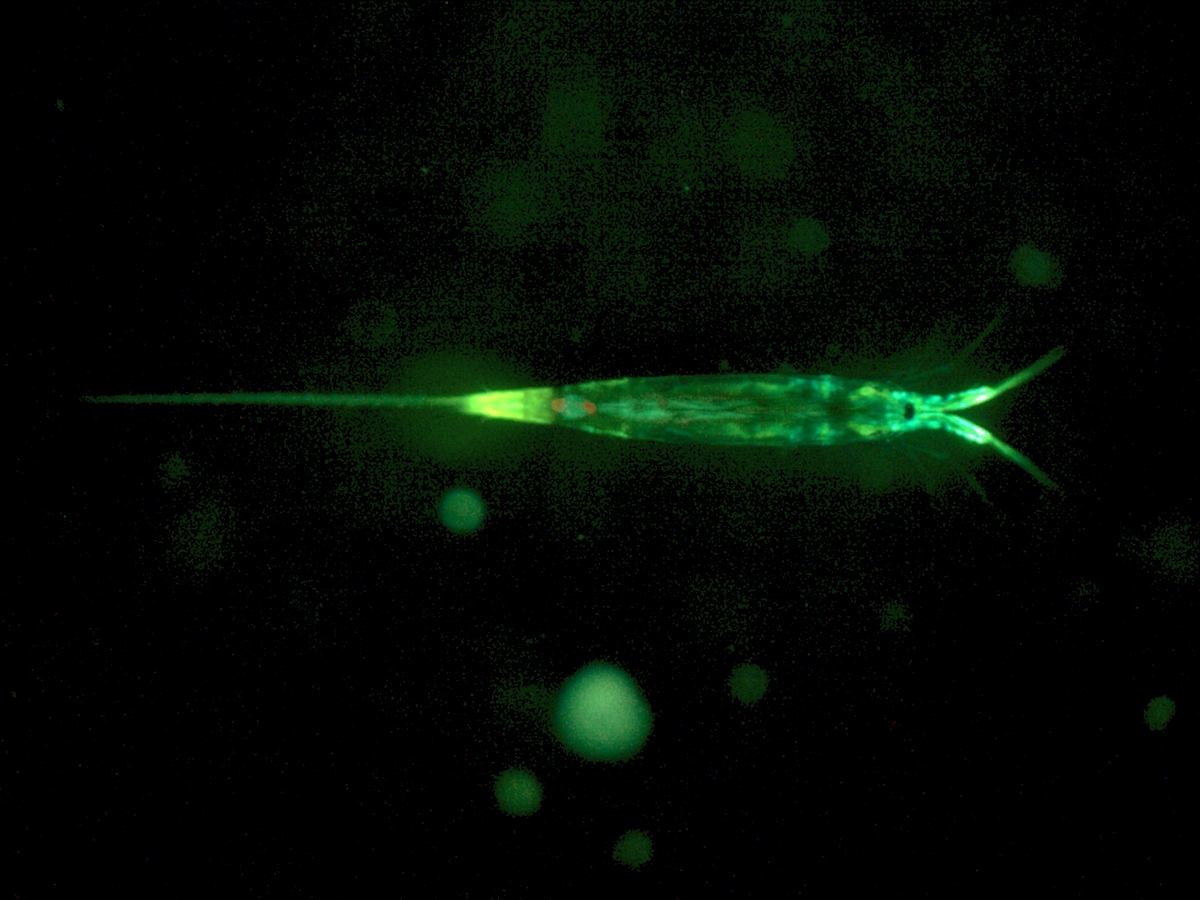
Plankton

green Plankton
© Dr. Mikhail Matz

You guessed it: Plankton is indeed a type of plankton. These itsy-bitsy organisms range in size from two micrometers to more than 20 centimeters, and there are two main types: phytoplankton (tiny plants) and zooplankton (tiny animals). The Plankton character we’re talking about falls into the zooplankton category and is specifically most likely a copepod. A wild stat about copepods: There are more copepods in the ocean than any other multicellular organism!

All in all, this entertaining animated series has undoubtedly sparked curiosity for the underwater world in the minds of many who’ve watched it over the years. Be sure to visit our Wildlife Fact Sheets to learn even more about the diverse array of fascinating wildlife species that live in the deep blue sea.


The post Meet the Real Ocean Animals of SpongeBob SquarePants appeared first on Ocean Conservancy.


from Ocean Conservancy https://ift.tt/5byYuz3 https://ift.tt/7QLhqsK

Lessons from Coastal Legends

Storytelling is one of our oldest human behaviors. Across every culture and continent, people have used stories to share values, pass down ...