Friday, 11 February 2022

Tackling Ghost Gear in Mexico Waters

Since Mexico is one of 15 countries with the largest marine and coastal areas, it’s not surprising to learn that the presence of abandoned, lost, or otherwise discarded fishing gear (ALDFG) exists in Mexican waters. Also known as ghost gear, ALDFG is a problem anywhere in the world where fishing takes place. Results from the first multi-institutional ghost gear removal program in the vaquita marina area launched in 2016, showed that more than 1,300 nets were removed from the Northern Gulf of California (Sea of Cortez) as of 2020.

In addition, North America’s Pacific Coast is home to several commercially important fish species and supports a diverse marine economy in the United States, Canada and Mexico. In 2020, Mexico recorded 1.7 million metric tons in total fish catch, the third-highest in Latin America. This impacts income for 300,000 people directly involved in fishing and contributes to the Food and Agriculture Organization’s (FAO) goal of a world without hunger and malnutrition. However, 42% of Mexico’s population lives in poverty which makes addressing ghost gear pertinent to people’s livelihoods and food security.

Eliminating ghost gear as the most lethal form of marine plastic debris requires a targeted and holistic approach across prevention, mitigation and remediation as detailed in the GGGI Best Practice Framework for the Management of Fishing Gear for Capture Fisheries (C-BPF).

Celebrating Mexico’s first GGGI anniversary

So far, 18 countries have joined the GGGI to contribute to a cleaner, safer and more resilient ocean. To address ghost gear in North America, the Canadian government joined the GGGI in 2018 during the G7 meeting, followed by the United States government, the world’s largest economy and a major fishing nation, in 2020. In response to the inclusion of the Government of Mexico in the GGGI in late 2020, the GGGI created the North American Net Collection Initiative (NANCI)-the first-ever transboundary initiative to prevent ghost gear in the coastal waters of the western United States, Mexico, and Canada.

“What could be the main challenge that a country with coastlines as extensive as Mexico could face to combat ghost fishing gear in its territory? Empowering local communities is one of the biggest challenges for our country. For this, it is clear that the conditions for creating capacities for these communities are key factors. Additionally, artisanal fishermen must take ownership of the projects and the sustainable development of their own communities. The lack of coordination and alignment between stakeholders, especially between the 3 levels of government in collaboration with NGOs, private initiative and fishing communities, is another great challenge we have ahead to face in order to solve this crisis.” 
Martha Delgado, Undersecretary for Multilateral Affairs and Human Rights, Ministry of Foreign Affairs and Sherpa of Mexico before the High-Level Panel for a Sustainable Ocean Economy.

What is NANCI?

The GGGI, along with the Government of Mexico and several local nonprofit organizations (including WWF Mexico, Pronatura Noroeste, Manta Caribbean Project, Wildcoast and Bureo Inc.), and supported by a grant from the U.S. National Oceanic and Atmospheric Administration (NOAA) Marine Debris Program, the Builders Initiative and a diverse set of funders have come together to tackle ALDFG in a holistic way under the NANCI initiative. The goals of the project include:

  • Develop knowledge of ghost gear in Mexico

We have initiated research to map areas of high concentration of ghost fishing gear in Mexico’s waters. This will help identify where and how to direct efforts for the tremendous challenge of eliminating the deadliest form of marine plastic debris in Mexico. With our partners of Natural Resources Consultants, Inc., we have developed a probabilitymodel to identify areas of potential for ghost gear occurrence in the Pacific and the Atlantic waters of Mexico. This was made using spatial representation of variables known to influence the probability of fishing gear loss (including the concentration of fishing effort, bathymetric depths, wind speed, current speed, vessel traffic and benthic terrains). This analysis will provide guidance when determining where to apply resources to address ALDFG. The predictive model will be a living product that will be shaped and updated as more data is generated. For example, with our Mexican partners of Pronatura Noroeste and Manta Caribbean Project, we are conducting on-the-ground fisher surveys using a design developed by FAO to evaluate ghost gear impact in Mexico.

  • Facilitate the development of Mexico’s ghost gear action plan

An action plan for preventing, mitigating and remediating ghost gear will be created, incorporating knowledge and expertise from around the world, based on the GGGI Best Practice Framework for the Management of Fishing Gear (BPF), and incorporating Mexico’s social, political, ecological and economic context.

  • Promote trilateral collaboration

The ghost gear issue is an international one, and the complexity of it cannot be handled by Mexico alone. The United States, Canada and Mexico will support each other in this joint matter. We hope to expand future iterations of this project in these three countries as well as in the Latin American and Caribbean communities.

“Reducing the threat of abandoned, lost or otherwise discarded fishing gear is a priority for NOAA’s Marine Debris Program. We are pleased to support this important effort and work with partners in California and Mexico to help protect our shared environment,” said MaryLee Haughwout, acting director of the Marine Debris Program.

Man stands with fishing nets being recycled
© Ingrid Giskes
  • Remove ghost gear from critical areas

Demonstrating how to remove gear directly supports a healthy ecosystem and raises awareness of the scope and impact of ghost gear among stakeholders in Mexico. It will also provide technical expertise to local NGOs who can continue removal work in the future.

  • Transform end-of-life fishing nets into high-value consumer goods

Bureo’s Net Positiva program operates through a shared-value model built around the ability to upcycle end-of-life fishing nets into products. This way, nets will be collected for recycling and kept out of Mexican and U.S. waters.

A collection hub is being established in the port of Ensenada, Mexico, where end-of-life fishing nets will be collected and packed for transport to Bureo’s new net processing facility located in Ventura, California.

“Building on Bureo’s experience of operating collection hubs across South America with their need for meeting their increased demand for recycled fishing net material, there is clearly an emerging opportunity to not only allow NANCI to succeed within the parameters of this project but to scale beyond where a permanent solution can be offered to many more fishermen across the country of Mexico. This would enable the program to not only eliminate this pollution but also provide significant employment opportunities and a united effort to empower communities to create a positive solution for this material.”
Ben Kneppers, Co-founder of Bureo Inc.

In the last few months-together with our local and international partners¾we have accomplished activities such as research on the volume of end-of-life fishing gear in Mexico, reached key fisheries stakeholders willing to get involved in the net collection and recycling program, and developed a probability model to identify areas of potential for ghost gear occurrence in the Pacific and the Atlantic waters of Mexico.

We will continue collaborating to: establish and operate a central fishing gear collection hub in Mexico to collect and bale all nets for processing; conduct fisher surveys in the all coastal Mexican states to evaluate ghost gear impact; organize fisheries stakeholder workshops to raise awareness and promote training on best practices for gear management and for gear loss prevention; support a project in the central Gulf of California to raise awareness; collect and properly dispose ghost gear and detect ghost gear in sensitive habitats informing the results through the Ghost Gear Reporter App. The NANCI project is the first ever transboundary initiative of this scale and nature with opportunities to make a real difference on the ground and to provide a model going forward in other Latin American and Caribbean nations!

The post Tackling Ghost Gear in Mexico Waters appeared first on Ocean Conservancy.


from Ocean Conservancy https://ift.tt/f2msvPT https://ift.tt/t4nY2pl

Thursday, 10 February 2022

All About Sperm Whales

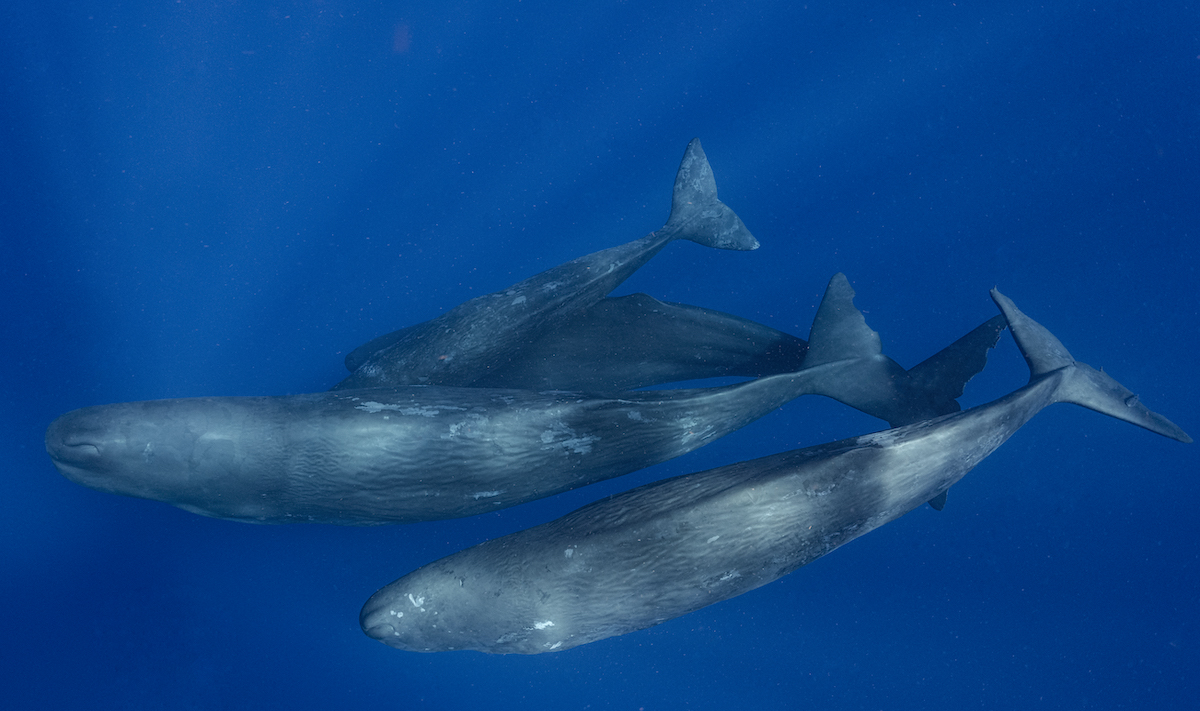
My fascination with sperm whales was first kindled when I saw a skeleton of two whales in the Te Papa Museum in New Zealand. Above me were two magnificent whales larger than the bus I took to school. Their bones alone weighed 6,000 pounds.

Often when we think about these amazing creatures our minds turn to the past, of stories of whalers and Moby Dick. Sperm whales are very much alive today and are a wonder of the ocean. Let’s dive deep into the lives of these incredible cetaceans.

Where can you find sperm whales?

Sperm whales are found in the deep ocean all over the world. Sperm whales wander throughout the ocean, sometimes traveling a million miles in their lifetimes. They range as far as the Arctic and the Antarctic but tend to migrate to the warmer waters of the equator during mating season.

How deep can sperm whales go?

Sperm whales can dive more than 4,000 feet in search of prey. That’s about the height of three Empire State Buildings stacked down below the waves. They can hold their breath and stay submerged for well over an hour. That’s because sperm whales have evolved to access oxygen from their blood and muscles which helps them last for so long without a breath. They also have adaptations that prevent the buildup of dangerous gas bubbles in their bodies, also known as “the bends,” that can endanger humans from the increased pressure in the ocean depths.

Was Moby Dick real?

While Moby Dick is a work of fiction. it did draw inspiration from a real white whale. Mocha Dick was a legendary whale in sailor lore known as the “White Whale of the Pacific”. He allegedly evaded a hundred ships, destroying 20 of them in the process. He was taken down after 28 years of daring escapes, and the account of his death inspired Herman Melville’s tale. While white sperm whales are incredibly uncommon, they are occasionally spotted outside the pages of books. Last year one of these incredible white whales was spotted off the coast of  Jamaica.

How did sperm whales get their name?

Sperm whales get their name from a unique organ in their heads called spermaceti. When seamen first opened a sperm whale’s noggin, they thought the oily substance was, well, semen. The actual purpose of spermaceti still alludes scientists. It could be a help with buoyancy or provide a  way to create powerful sounds that find and stun their prey.

Can sperm whales swallow humans?

While there have been cases where humans end up in a whale’s mouth, generally these human prey get spit out and not swallowed. It’s an extremely rare and unpleasant day for all involved. Technically sperm whales are the only creatures in the ocean with throats large enough to swallow a human. There was one case of a man named James Bartley, labeled as a “modern day Jonah,” who was allegedly swallowed by a sperm whale off the Falkland Islands in the early 1900s. The story claims that he was rescued from the stomach after whalers took down the animal that ate him. This story doesn’t hold up to close inspection, however, and the science suggests that anyone who had the misfortune of being eaten by a whale would probably not live long. It’s just another one of Pinocchio’s lies.

How many sperm whales are left?

Whaling was a huge threat to sperm whales particularly in the 1800s. Before the whaling industry was created there may have been 1.1 million sperm whales worldwide. Now there are about 300,0000 sperm whales left, and they are listed as endangered under the Endangered Species Act. Sperm whales are vulnerable to threats like ship strikes, noise pollution and climate change.

Sperm Whales swim in the waters off Dominica.
© Amanda Cotton/Ocean Image Bank

What is ambergris?

While commercial whaling is long over, people still hunt a particularly valuable sperm whale excretion: ambergris. This substance is produced in a sperm whale’s digestive system, and scientists aren’t exactly sure which end it comes from. While a clump of whale poop or vomit might not sound like something you want to put your hands on, ambergris is known as “floating gold” and can be worth thousands of dollars. It hardens into a very valuable rock that is sought for perfumes, though illegal in the U.S. due to the sperm whale’s endangered status.

Are sperm whales smart?

Sperm whales have the largest brains in the world, over six times larger than our own. This may mean sperm whales develop social connections, culture and bonding associated with mammals with larger and more complex brains. However, we still have lots of questions on what goes on in those big brains of theirs. Since sperm whales are huge, it is hard to run the same intelligence tests that have helped scientists determine the capabilities of dolphins, their cetacean cousins. Observations of sperm whales in the wild throughout history may provide clues as to how smart they really are.

Historical evidence suggests that sperm whales share information about how to avoid whalers and alter their behavior to survive. Sperm whales were able to realize that their usual method of circling an attacker wouldn’t work against the new threat of whaling ships. Instead, they would swim upwind, realizing their hunters needed a favoring wind to chase after them. The result of these new whale strategies was a 58% drop in a whaler’s success in harpooning a whale.

Could we talk to sperm whales someday?

Scientists are currently using recordings of whale sounds and artificial intelligence to try to decode the language of sperm whales. They are ideal candidates because they communicate over long distances, using only sound without the added benefit of body language. Researchers are looking to collect millions of sound clips from whales and use machine learning to map out how they use sound to communicate. The project might help us better understand whales and possibly even communicate with them in the future. Someday the mysteries of sperm whales could be cleared up by talking directly to the source.

Sperm whales are incredible creatures that care for their communities across the vast distances of the ocean. Communication helps whales band together to face new threats. This is why noise pollution is a huge issue because it can drown out these helpful tips and connections that help whales survive as a community. You can take action to help these incredibly smart whales by demanding we turn down the volume in the ocean.

The post All About Sperm Whales appeared first on Ocean Conservancy.


from Ocean Conservancy https://ift.tt/d7T4aBG https://ift.tt/4ajfIVs

Tuesday, 1 February 2022

What is the Plural of Octopus?

What has eight arms, three hearts, uses camouflage and has a very confusing plural form?

The octopus!  

The English language can be quite puzzling at times. As a mother of two boys, we have LEGO tiles all over the house. And while there are hundreds of LEGO on the floor that I have to tiptoe around, please notice the plural of LEGO is still LEGO. Confusing? Yes, it certainly is.

Which brings me to today’s blog topic: What is the plural of octopus? How would you tell your friends that your saw a video that featured more than one glass octopus?

To get us started, let’s take a look at the word: octopus. It is a Latinized form of the Greek word októpus, which translates to “eight foot.”

Disclaimer: Before I dive in, I will acknowledge that people have very strong opinions about grammar: Oxford comma usage as one such example. So, please go easy on the author of this blog.

Octopi ❌

While “octopi” has become popular in modern usage, it’s wrong. Octopi is the oldest plural form of octopus, coming from the belief that Latin origins should have Latin endings. However, octopus is not a simple Latin word, but a Latinized form of the Greek word októpus. Consequently, its “correct” plural form would logically be octopodes.

Octopodes ❌

“Octopodes” stems from the belief that because octopus is originally Greek, it should have a Greek ending. This term might be technically correct, but it is the least-used incorrect form of the word for more than one octopus. Using “octopodes” might cause more confusion than it’s worth.

Octopuses ✅

“Octopuses” gives the word an English ending to match its adoption as an English word. Generally, when a noun enters into English, it is pluralized as an English word rather than in its original form. Octopuses may sound peculiar to some, but this is the preferred plural.

It’s also peculiar to debate octopuses when the octopus is a solitary creature. So, they would very much prefer we didn’t have this discussion in the first place!

The moral of the story is—it’s a good thing to see multiple octopuses! It means we have a healthy ocean.

You Can Help Octopuses

Unlike other species, octopuses don’t have a hard shell or sharp spines to protect themselves, so camouflage is their best bet for avoiding hungry predators. They use this ability to hide in reefs, rocks or sand.

One thing octopuses can’t hide from? Ocean plastics.

The ocean plastics villain may prove deadlier than any of those natural predators ever could.

But we can stop this. We can keep ocean plastics out of these creatures’ homes. Join us in taking action today.Take action on plastic pollution today. Tell Congress to support the REDUCE Act and make it less desirable to create new plastics.

The post What is the Plural of Octopus? appeared first on Ocean Conservancy.


from Ocean Conservancy https://ift.tt/GEgn0coSL https://ift.tt/l1yipoMq6

Thursday, 27 January 2022

All About Krill

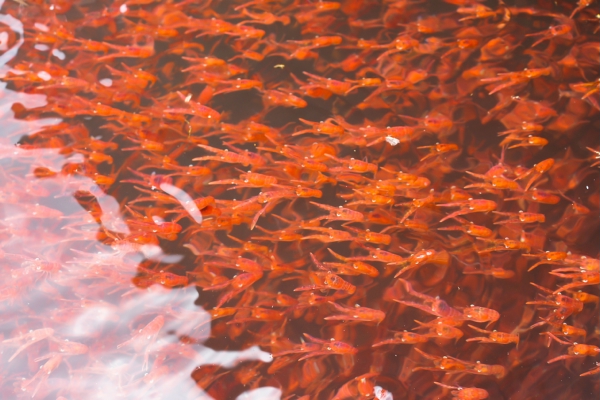
Until recently, my knowledge of krill has been limited to the fact that they’re the primary diet for some of the more charismatic ocean critters like penguins, seals and baleen whales. But these tiny planktonic crustaceans are so much more than just whale food!

Norwegian for “small fry of fish” (I know—not a great start), these transparent-bodied crustaceans average about two inches in length and are found in large swarms which help protect them against predators. These swarms can be as large as 30,000 individual krill per cubic meter! Who are you calling “small fry”?

Another way krill attempt to avoid predation is with critical nightly migrations known as diurnal vertical migrations. In short, krill come to the ocean surface at night to feed on nutrient-dense phytoplankton and migrate back to the ocean depths during the day. Some krill species will even make this trip multiple times a night.

Did you know that blue whales feed almost exclusively on krill? In fact, a blue whale can eat up to four tons of krill in a single day. You might wonder then how krill retain such abundant numbers. Krill can lay up to 10,000 eggs at a time! These eggs hatch about 1,000 meters below the surface, and these little krill babies almost immediately make their journeys to the surface for their first meal of that yummy phytoplankton.

Krill are found almost everywhere—there are more than 85 species of krill throughout the world. However, Antarctic krill (Euphausia superba) are extra special. They are considered a keystone species in the Southern Ocean, which means that the entire ecosystem in the Southern Ocean depends on the Antarctic krill to maintain their way of life. This is partially due to how they redistribute nutrients. Remember those nightly migrations? Antarctic krill feed on the ice algae at the ocean surface and redistribute those nutrients (like iron) in their feces on their way back down, fertilizing the ocean and feeding other ocean critters as they go. They also supply the higher-order predators with phytoplankton and other nutrients once they’re eaten.

They may be on the bottom of the food chain, but krill are still among the most abundant species on the planet. One might say, they’re krillin’ it.

Lots of lobster krill in the sea water New Zealand
Lobster krill, New Zealand © Shutterstock

Unfortunately, even krill populations are impacted by climate change. Krill eggs are sensitive to ocean acidification, and Antarctic krill are threatened by a decrease in sea ice. Changes in sea ice could decrease krill habitat by 80% by 2100, which would have massive implications for the rest of the Antarctic food web. Less sea ice = less ice algae = less krill.

Want to help krill and other ocean animals? Learn more about how Ocean Conservancy is tackling climate change and take action with us to urge Congress to invest in ocean climate action.

The post All About Krill appeared first on Ocean Conservancy.


from Ocean Conservancy https://ift.tt/3G5TPm9 https://ift.tt/eA8V8J

Friday, 21 January 2022

7 Facts That Prove Emperor Penguins Rule

The incredibly chilly, ice-laden waters of the Antarctic may be unbearable for some members of the animal kingdom. But when it comes to this freezing polar region, emperor penguins (Aptenodytes forsteri) say, “There’s no place like home!”

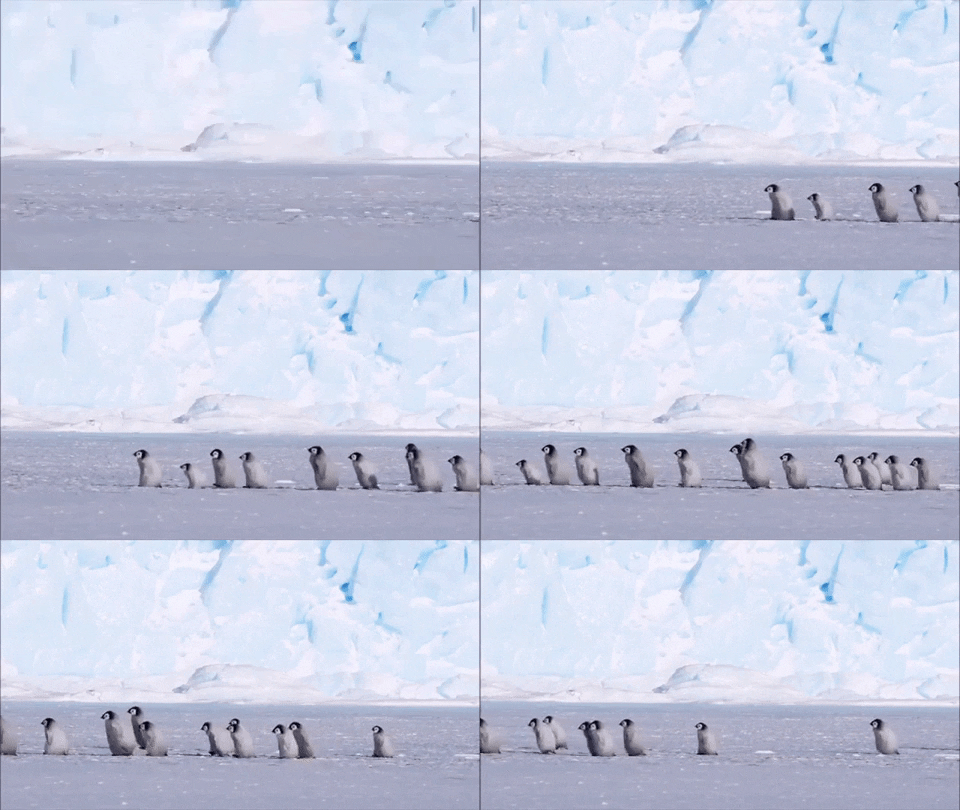
These flightless birds, reminiscent of waddling tuxedo-laden gentlemen with beaks, are exclusively found on the ice shelves of Antarctica. But that’s not all that makes them special. Emperor penguins are the largest of the world’s 18 identified penguin species alive today, standing up to four feet tall and weighing up to 100 pounds! With two layers of feathers and sturdy fat reserves, emperor penguins can conserve as much heat as possible as they brave the frigid temperatures of their home.

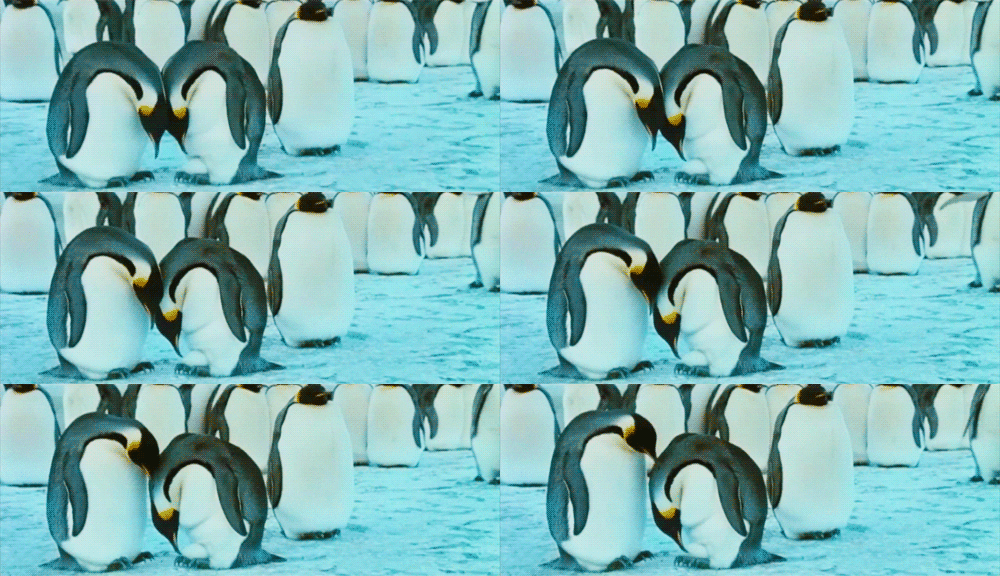
Source: GIPHY

While their size is certainly impressive by today’s standards, check out the extinct Palaeeudyptes klekowskii, often referred to as “mega penguins.” These gigantic ancestors of emperor penguins lived between 37 and 40 million years ago and clocked in at almost six feet tall!

The height of modern emperor penguins isn’t the only thing that makes them so remarkable, though. These penguins are truly Antarctic athletes, with special adaptations that help them make the most of their extreme native ecosystem. They have incredibly dense bones that help them move like torpedoes through the sea, with most diving up to around 600 feet below the surface. The world record for an observed emperor penguin dive is a jaw-dropping 1,700 feet!

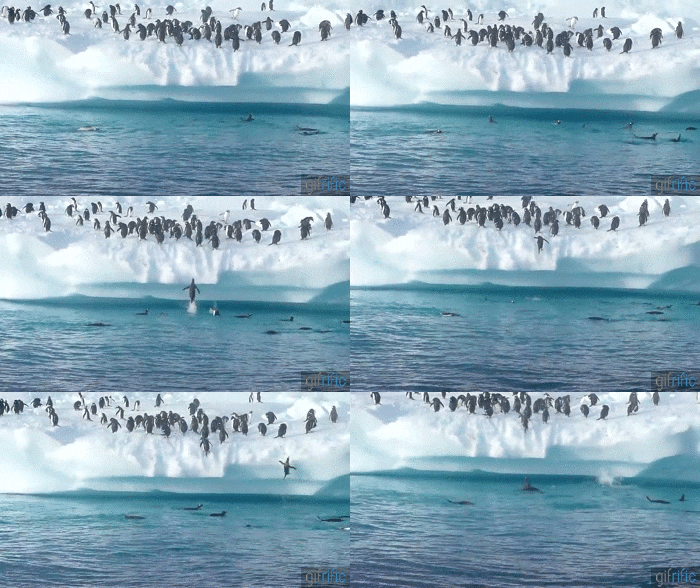
Their bodies are specially designed for more than just the water, though. When emperor penguins want to leave the water and return to the ice shelves, they’ll plummet deep into the ocean, ramp themselves up and then race toward the closest exit hole in the ice. As they do so, they carefully move their feathers around, releasing bubbles that assist in their exit plan. As they leave the water and enter the air, they burst through the ice holes quickly and powerfully, helping them to skirt past sneaky leopard seals that may be hunting around the perimeter of the ice.

Source: GIPHY

One last thing that’s mildly hilarious to watch but truly an effective behavioral adaptation for emperor penguins is a movement known as “tobogganing.” And yes, if you know what a toboggan is, you can probably already picture what this looks like! Though agile, these penguins do live on incredibly slippery surfaces. So, when they need to get around quickly (especially when traveling long distances to hunt), they’ll simply plop themselves on their stomachs and slide forward, using their wings and claws to propel themselves along the ice.

I couldn’t share fun facts about emperor penguins without next mentioning the wild story of what child-rearing looks like for these creatures. When mating season arrives for emperor penguins, the courtship process can take a few weeks. Once a pair has bred, the female will lay a single egg … then she says “Ciao, dear!” Don’t worry, though: she’ll be back. She’s headed off to hunt for foods like krill, squid and fish such as Antarctic silverfish in order to provide for her little one. This departure, of course, leaves dad and baby penguin to spend some dedicated one-on-one time together.

Source: GIPHY

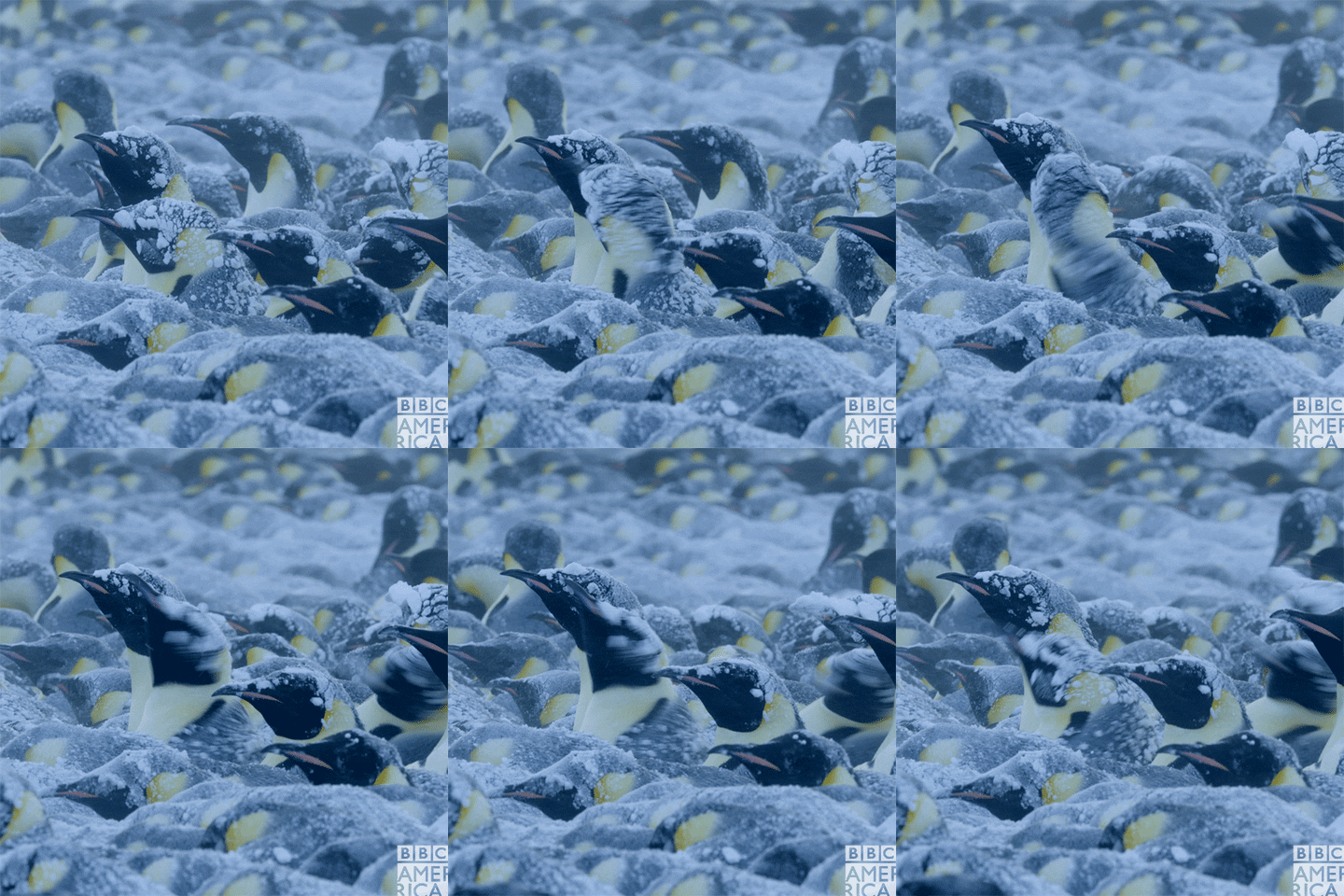
When it comes to parenthood, there aren’t many fathers you’ll find that are as dedicated as emperor penguin dads. When the mother penguin leaves, father penguins tuck the newly hatched egg on top of their feet beneath what’s called a brood pouch which provides cozy insulation for the still-developing baby penguin. Through fierce wind and icy storms, these determined dads will hold their eggs closely and guard them from the elements, even refusing to eat so the eggs receive constant warmth and protection. This becomes even more impressive with the fact that temperatures in this part of the world can drop below -50°F with wind speeds of up to 120mph.

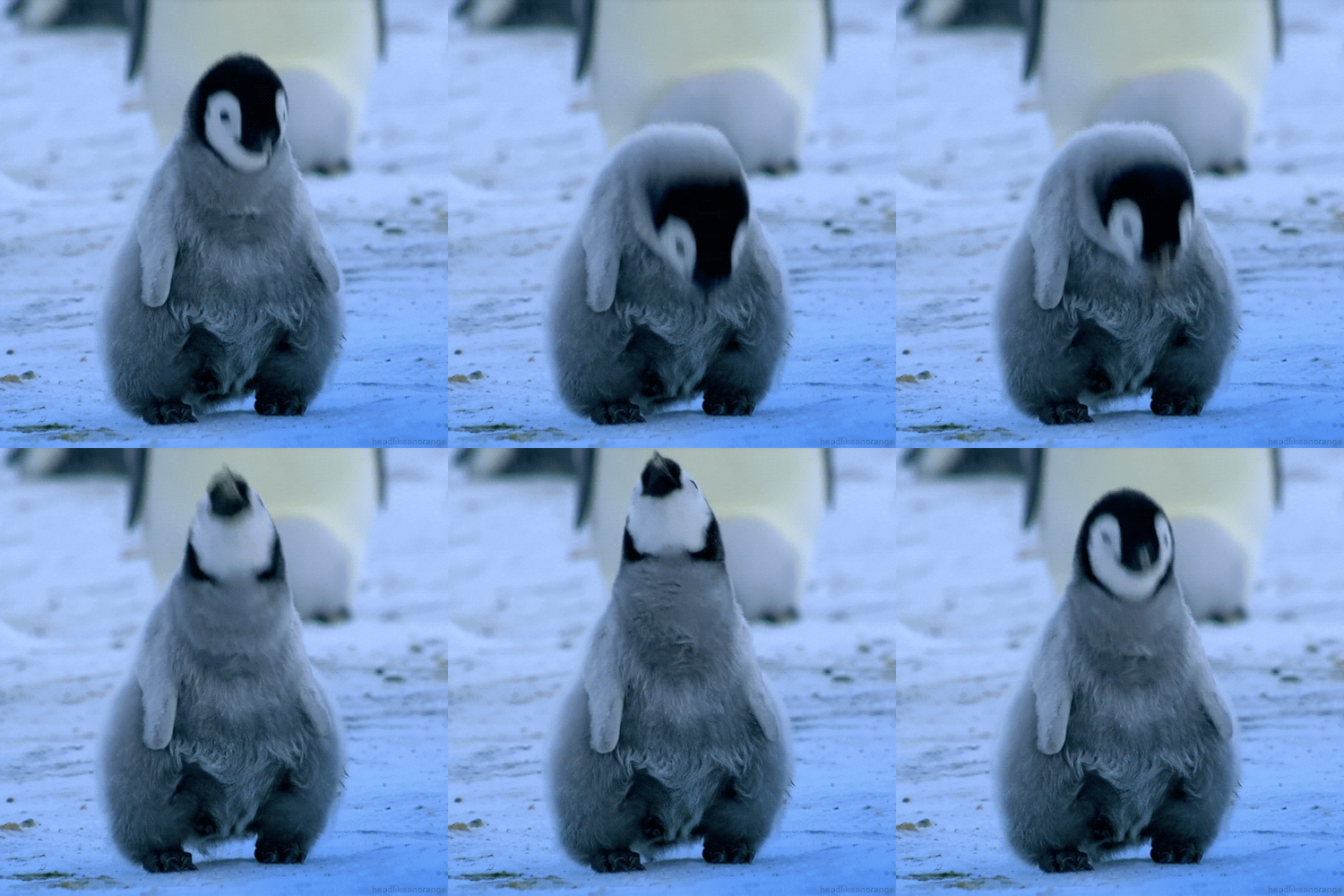
It’s only when mama penguin returns from her hunt for food about two months later that papa penguin (who’s relied on stored body fat to remain alive this whole time) finally goes off to forage, eat and regain his strength. When this grand return of the mother emperor penguins occurs, those precious eggs are newly-hatched little ones … and they are hungry. For a while, they’ll stay close to mom and rely on regurgitated food from their mothers until they mature enough to hunt on their own.

Source: GIPHY

All in all, emperor penguins’ amazing adaptations are among the countless examples of impeccable strength and teamwork in the animal kingdom. Colonies will come together in massive huddles surpassing 5,000 penguins, packing themselves in nice and tight to share as much body heat as possible. In a constant shuffle, the birds take turns braving the harsh outer perimeter of the group so that each member of the community gets some time in the warm center of the pack.

Whether regarding their magnificent physical and behavioral adaptations or their unwavering commitment to parenthood and rearing the next generation, one thing is for certain: Emperor penguins aren’t just the largest of penguins on Earth today—they’re also a species we can learn countless lessons from as we take on our own adventures in this journey of life.

Oh, and one more thing … remember when I said they have two layers of feathers to keep them warm? That includes a layer of feathers on their leg, so their ankles don’t get chilly. Talk about some serious leg warmers!

Penguin dancing

Source: GIPHY

The post 7 Facts That Prove Emperor Penguins Rule appeared first on Ocean Conservancy.


from Ocean Conservancy https://ift.tt/3AnTZ7h https://ift.tt/3tKnVJn

Friday, 7 January 2022

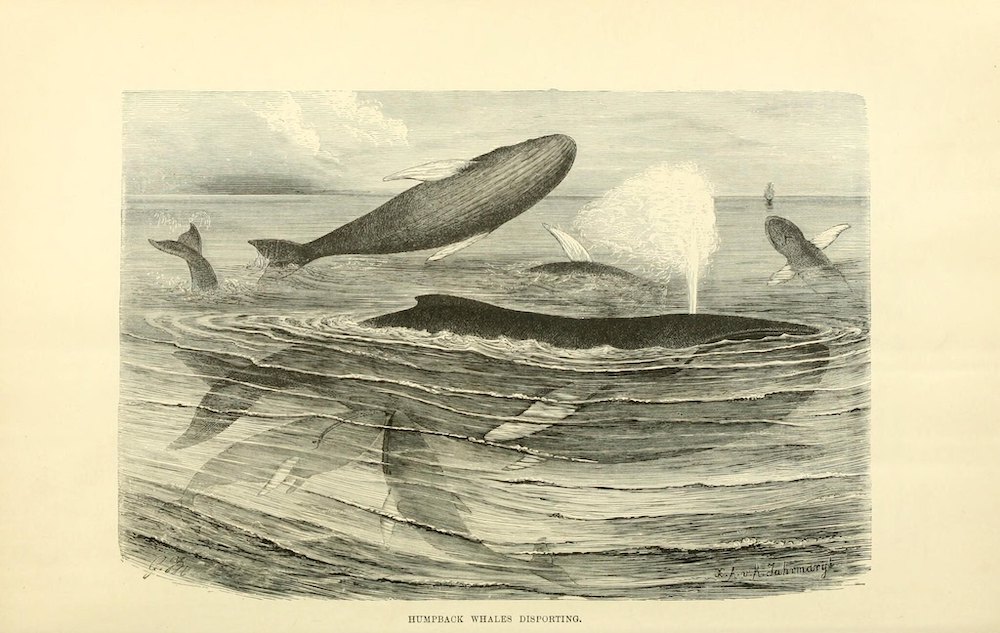
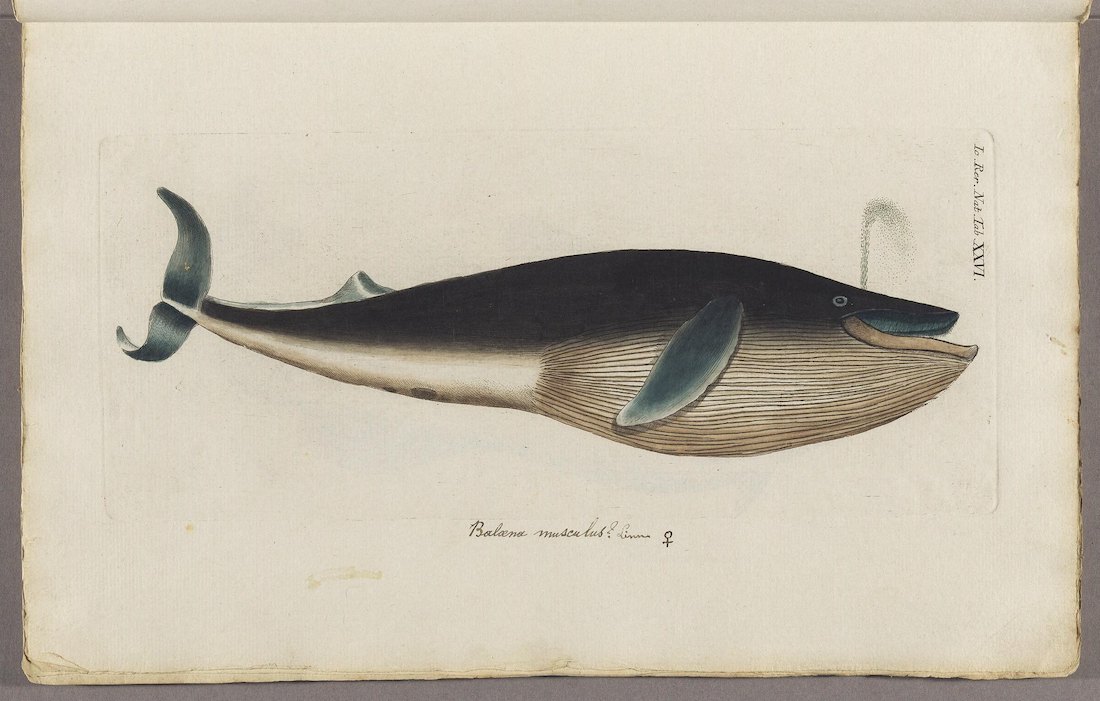
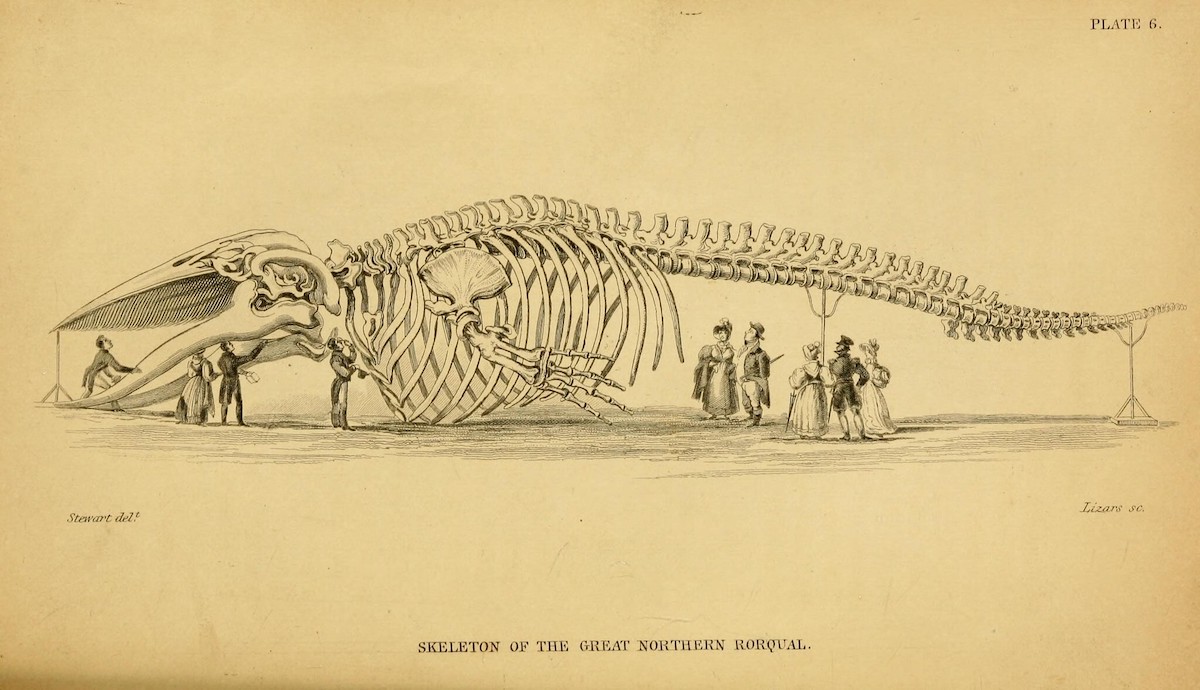
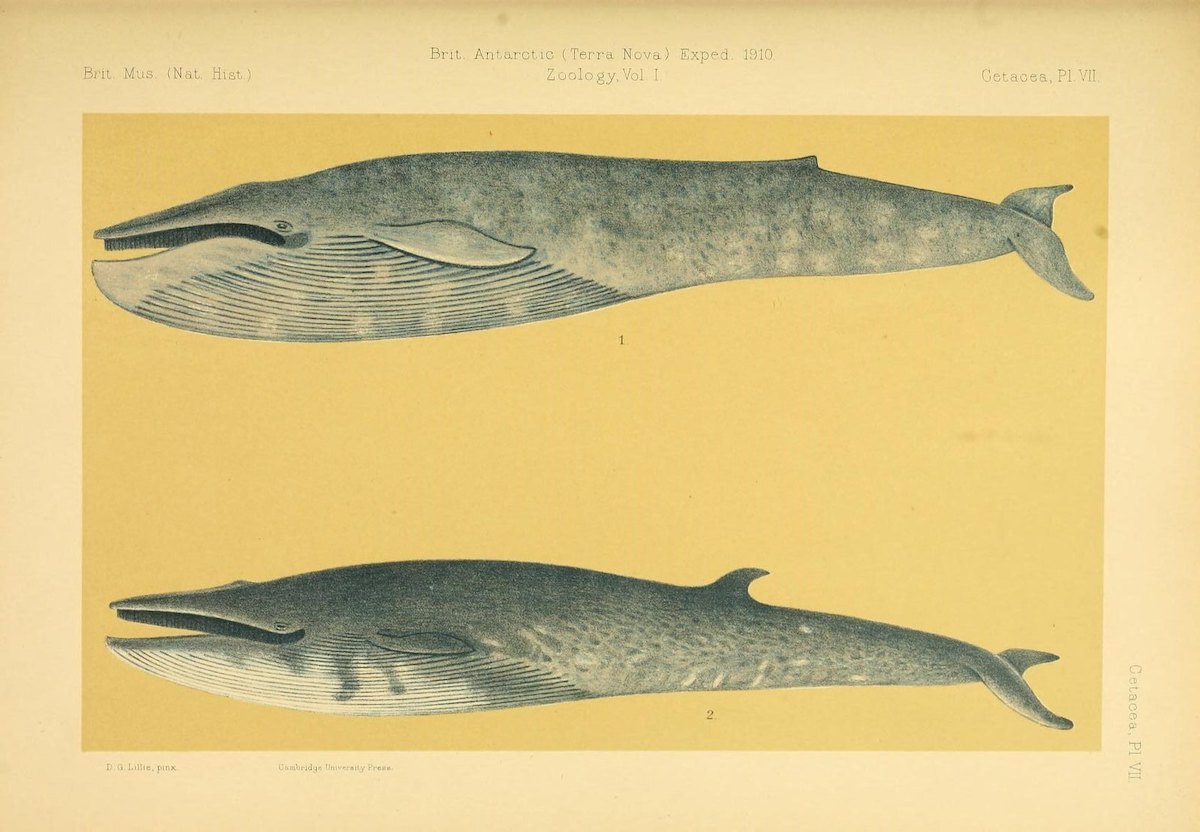
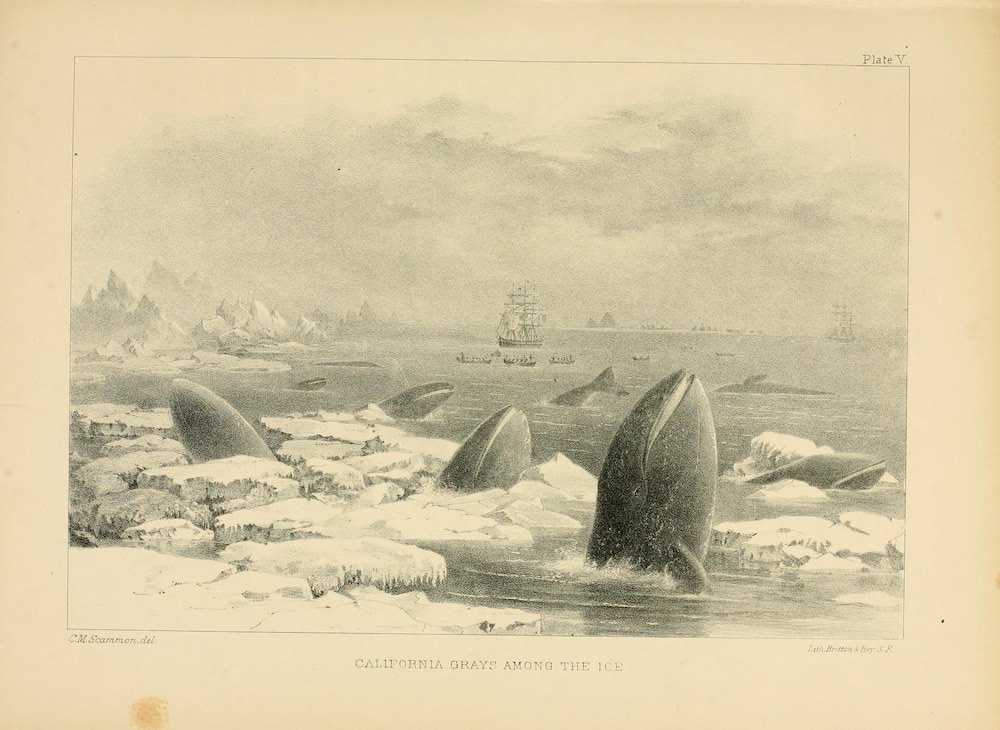
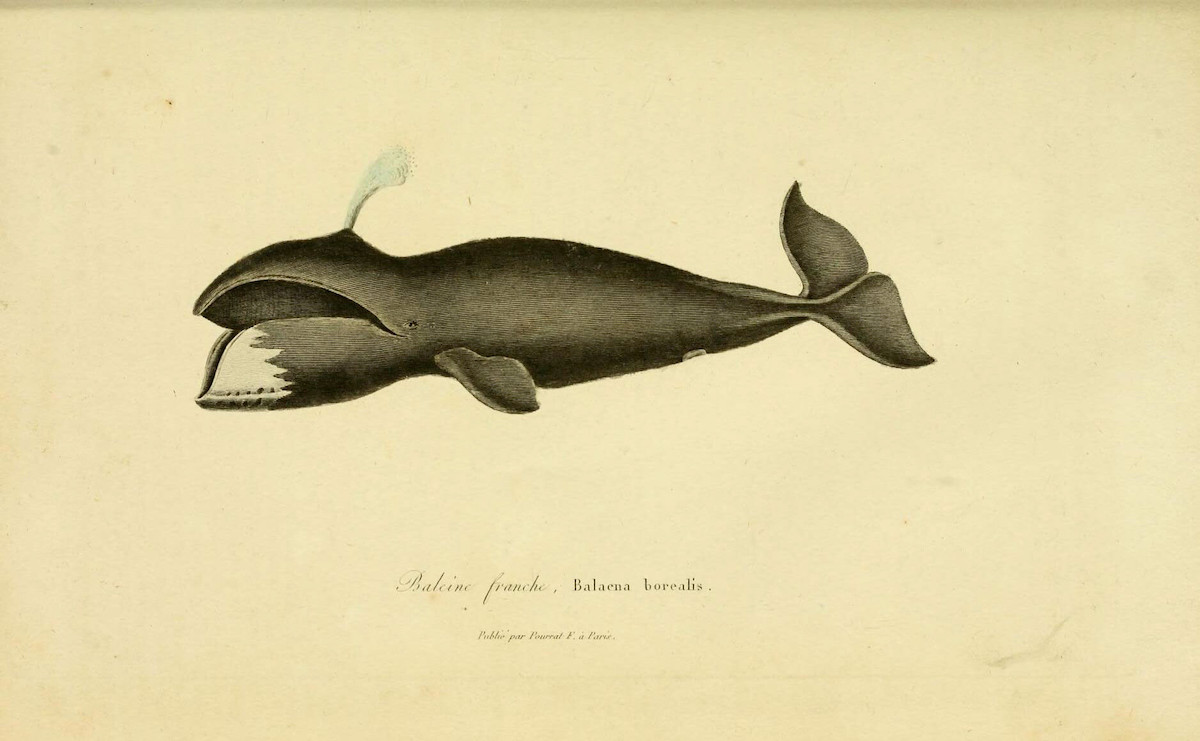
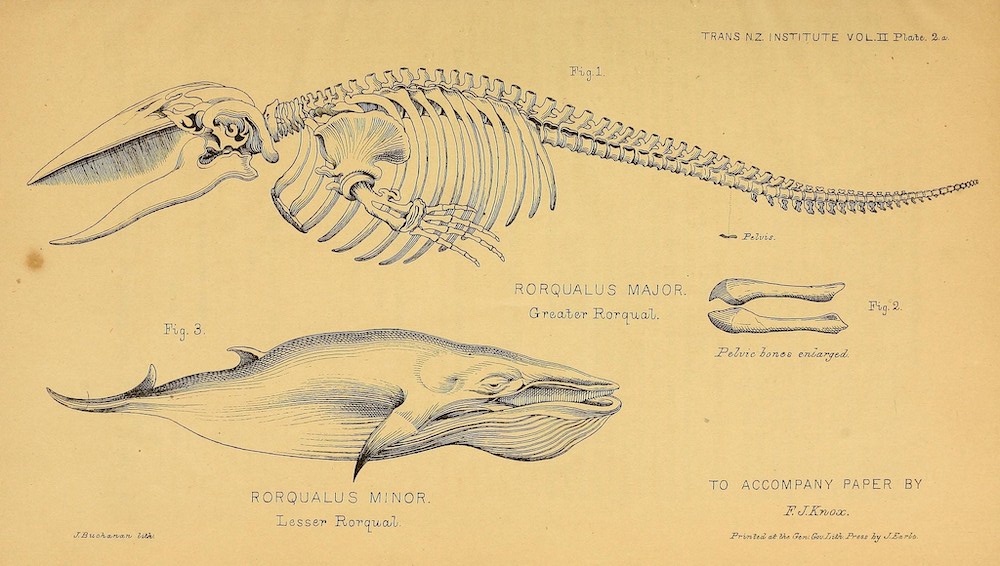
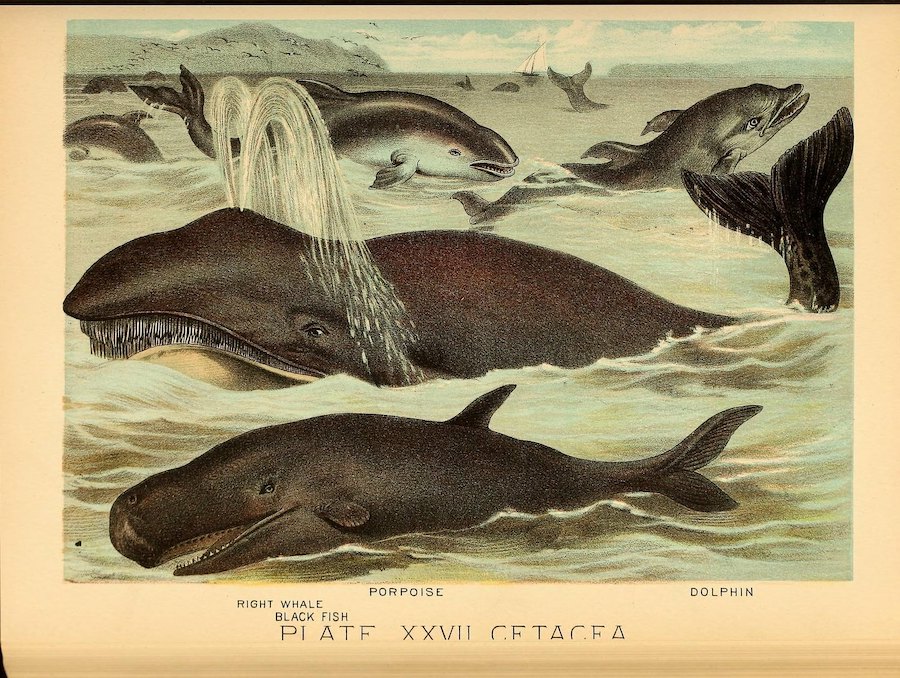
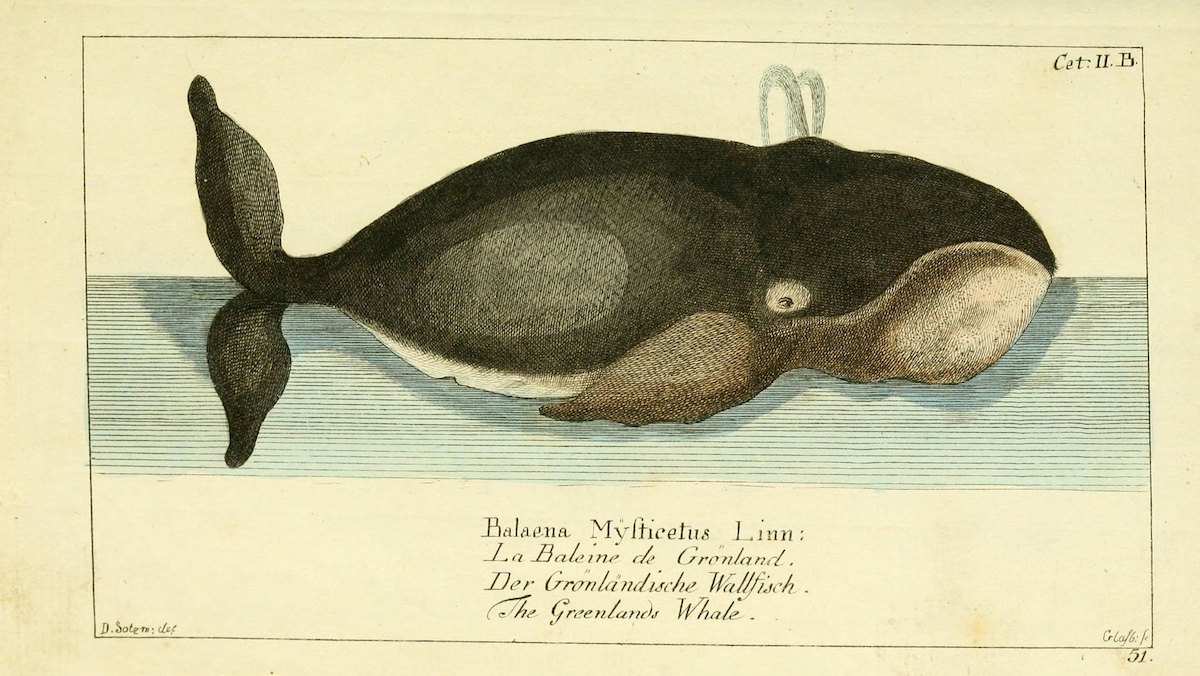
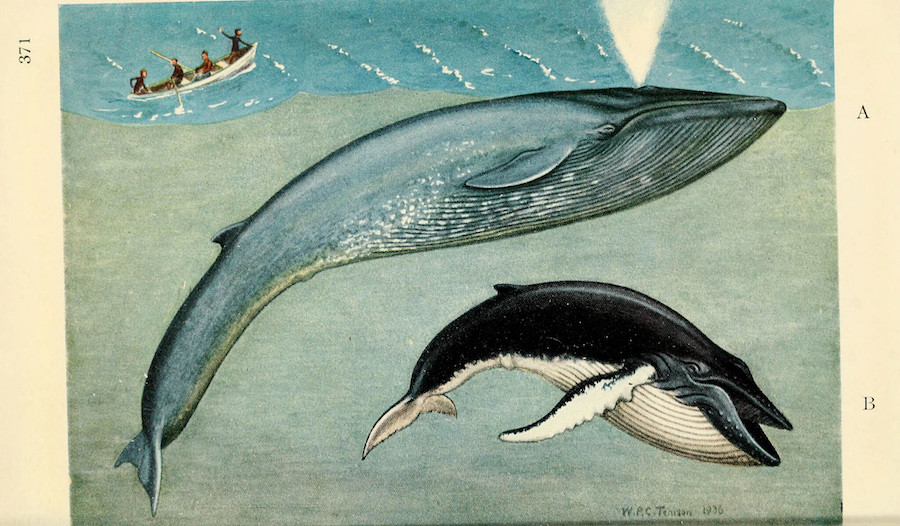
12 Weird and Wild Historical Illustrations of Whales

Historical illustrations give us a glimpse into the scientific research of the past—and they can be very cool to look at!

We can view thousands of historical illustrations of marine life thanks to the Biodiversity Heritage Library (BHL). The BHL is the largest open-access digital library for biodiversity archives. They work with libraries around the world to offer millions of books dating back to the 15th century for free. The library is not only an incredible source of data for scientists—it brings scientific art into the homes of people around the world.

Previously, we dug through the BHL archives to bring you some of our favorite oceansharkshell, fish and cephalopod illustrations from the 18th and 19th centuries.

Now, we’re bringing you our favorite cool and unusual illustrations of whales from the BHL!

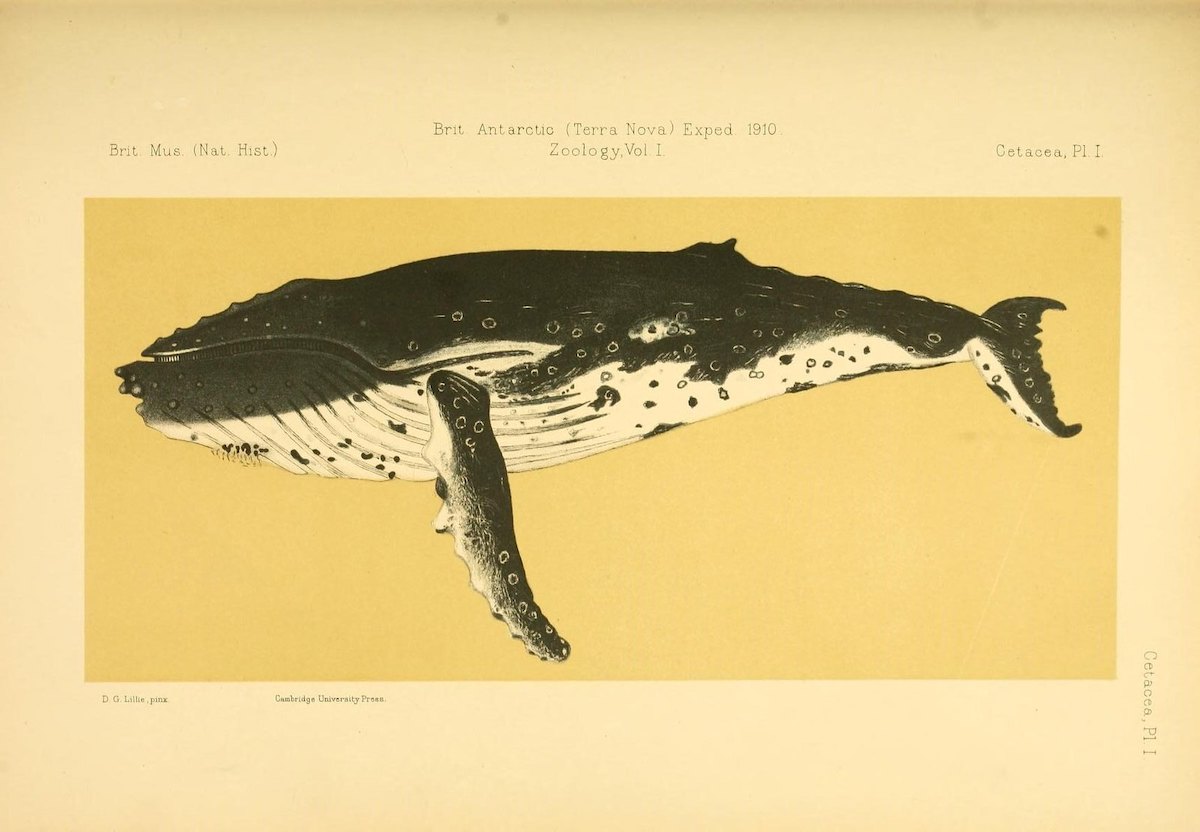
Historic Whale Illustration
"Natural History Reports / British Antarctic ("Terra Nova") Expedition, 1910-13 v.1" , 1914 © COURTESY OF BIODIVERSITY HERITAGE LIBRARY

Historic Whale Illustration
"The royal natural history London :F. Warne", 1893-1896 © COURTESY OF BIODIVERSITY HERITAGE LIBRARY

Historic Whale Illustration
"Icones rerum naturalium Copenhague,Chez E.A.H. Möller, etc.", 1805-1806 © COURTESY OF BIODIVERSITY HERITAGE LIBRARY

Historic Whale Illustration
"Edinburgh :W.H. Lizars", 1843 © COURTESY OF BIODIVERSITY HERITAGE LIBRARY

Historic Whale Illustration
"Natural History Reports / British Antarctic ("Terra Nova") Expedition", 1910-13 © COURTESY OF BIODIVERSITY HERITAGE LIBRARY

Historic Whale Illustration
"The marine mammals of the north-western coast of North America,. New York,J.H. Carmany", 1874 © COURTESY OF BIODIVERSITY HERITAGE LIBRARY

Historic Whale Illustration
"Compléments de Buffon. t.1. Paris :P. Pourrat Frères", 1838 © COURTESY OF BIODIVERSITY HERITAGE LIBRARY

Historic Whale Illustration
"Transactions and proceedings of the New Zealand Institute Wellington :New Zealand Institute", 1869 © COURTESY OF BIODIVERSITY HERITAGE LIBRARY

Historic Whale Illustration
© COURTESY OF BIODIVERSITY HERITAGE LIBRARY

Historic Whale Illustration
"Gemeinnüzzige Naturgeschichte des Thierreichs bd 2 plates Berlin ;bei Gottlieb August Lange", 1780-1789 © COURTESY OF BIODIVERSITY HERITAGE LIBRARY

Historic Whale Illustration
"Field book of giant fishes New York,G. P. Putnam", 1949 © COURTESY OF BIODIVERSITY HERITAGE LIBRARY

You can explore the BHL too, by visiting their website and Flickr page.


The post 12 Weird and Wild Historical Illustrations of Whales appeared first on Ocean Conservancy.


from Ocean Conservancy https://ift.tt/3q2xq4b https://ift.tt/eA8V8J

Monday, 3 January 2022

What is a Moon Jellyfish?

Moon jellies have a special place in my heart. Once on a family vacation, we wrapped up a hike at Acadia National Park to find hundreds of moon jellies floating near the shore. It was a magical sight. It felt as if we had crossed over into some alien dimension, the rocky coastline transformed into a sea filled with these other-worldly creatures.

What do moon jellyfish look like?

Moon jellyfish get their name from their translucent bell-shape that looks a bit like a full moon. They are best identified by four purple glowing circles on the top that loop around in a clover-like formation. They have short wispy tentacles that hang below and tend to float just below the surface of the water.

Can they sting me?

Moon jellyfish can sting with their tentacles. Don’t let this scare you away from these beautiful creatures! Their sting has little effect on humans beyond slight discomfort and a rash that will last only a few hours.  But if you happen to be a plankton or mollusk that has learned to read and found access to the internet, well, I have bad news: That jellyfish sting is going to immobilize you to become the jellyfish’s next meal. Learn more about how jellyfish sting.

How do moon jellyfish move?

Jellyfish don’t need fins or skeletons to swim; they use their bells. They are able to create a pocket of water to project themselves. As a moon jellyfish opens and contracts its bell, it creates a vortex, several vortices, in fact, that create a high-pressure wall of water that becomes its runway to blast off. Scientists are studying this unique method of locomotion to inspire the ways future underwater robots might move.

What eats moon jellyfish?

Moon jellyfish are considered a delectable snack by all sorts of turtles, birds and fish. Their clear gelatinous structure might not look nutritious, but moon jellyfish contain some fatty acids crucial to growth and reproduction. Plus, they are pretty slow, making it easy for their predators to have a lazy afternoon lunch.

Moon jellyfish in SPACE?

Yes, living up to their lunar namesake, moon jellies took a trip to space! In 1991 NASA launched over 2,478 jellyfish polyps (a.k.a. jellyfish babies) on a trip that was out of this world. They wanted to see how being raised in a low gravity situation would change jellyfish behavior once they were back on Earth. This would provide insights on how human space babies might be affected since both jellyfish and humans need gravity to orientate themselves. There are calcium sulfate crystals in a moon jellyfish’s bell that move with gravity, telling the jellyfish whether it is moving up or down. We humans also have calcium crystals in our inner ears that help us understand gravity’s pull. Turns out the space jelly babies (which should be the name of the next Muppet movie) did turn out to have issues navigating on Earth after being raised in a place without gravity.

As Elton John told us in “Rocket Man,” space “ain’t the kind of place to raise your kids.”

The post What is a Moon Jellyfish? appeared first on Ocean Conservancy.


from Ocean Conservancy https://ift.tt/3zA2hbP https://ift.tt/eA8V8J

What are Tire Wear Particles?

What do you think about when you hear the words “microplastic pollution?” Your mind may immediately go to imagery of colorful fragmented pl...