Tuesday, 15 June 2021

The Roadmap That Supports a Plastics Free Ocean

Henry Ford once said that if everyone is working together, then success takes care of itself. Ocean Conservancy recognized this from the very beginning when we published our ground-breaking report Stemming the Tide. We knew the problem of ocean plastics required collective action. We built on this insight in our next work, the Plastics Policy Playbook identifying collaboration as a guiding principle for success.

We also understand that collective action is easier said than done. That is why Ocean Conservancy was thrilled to join the U.S. Plastics Pact as a founding member. The U.S. Plastics Pact is an ambitious effort to make collective action a reality right here at home. It joins similar initiatives around the world working in places as diverse as South Africa, Poland and Chile. The Pact brings together a diverse group of nearly 100 members, including cities, state-level agencies, recyclers, haulers, retailers, brands, NGOs and others around the vision of a truly circular economy for plastic packaging in America.

U.S. Pact members have committed to a bold agenda with four targets:

  1. Define a list of packaging that is to be designated as problematic or unnecessary by 2021 and take measures to eliminate them by 2025;
  2. 100% of plastic packaging will be reusable, recyclable or compostable by 2025;
  3. Undertake ambitious actions to effectively recycle or compost 50% of plastic packaging by 2025 and;
  4. By 2025, the average recycled content or responsibly sourced bio-based content in plastic packaging will be 30%.

For the last 10 months, Pact members have been hard at work building a Roadmap to realize these goals. The Roadmap lays out a plan to achieve each target, who will lead that effort and the support needed. Crucially, Pact members have committed to report their progress against these goals annually to ensure accountability. Ocean Conservancy has been an active participant in the Roadmap’s development. Leveraging our decades of expertise in plastics policy, we also contributed to a parallel effort to develop the priority policies that will support the targets and more broadly support the transition to circular plastic packaging.

As impressive as the U.S. Plastics Pact’s progress to date has been, it’s important to note that this is just the beginning. Within the Pact, members are called Activators to emphasize the need for action at all levels. At Ocean Conservancy, we are determined to do our part.

Ocean Conservancy was a strong champion of the Save Our Seas (SOS) 2.0 Act which was signed into law in December 2020. We worked with our Trash Free Seas Alliance® (TFSA) to build support for the legislation. The law requires the U.S. government to undertake an assessment of new markets for recycled plastic by the end of this year. The act mandates a follow-on study by the end of 2022 on the technological and economic feasibility of recycled content standards. Ocean Conservancy, in consultation with the TFSA, recently launched new research to provide a robust technical analysis that will inform this effort and to support the broader goals of the U.S. Plastics Pact. As we start our journey, we challenge all Activators to ask what they can do to realize our joint vision.

Learn more about the U.S. Plastics Pact Roadmap here.

The post The Roadmap That Supports a Plastics Free Ocean appeared first on Ocean Conservancy.


from Ocean Conservancy https://ift.tt/3iK3Mxl https://ift.tt/eA8V8J

Monday, 14 June 2021

Vote for Your Favorite Photos 📸

I don’t mean to pier pressure you … but we sea-riously need your help. We’ve received hundreds of submissions to our 2021 Photo Contest, and now we need YOUR help to pick the winners. There are simply too many ink-credible images to choose from. 🐙

The voting round for our annual Photo Contest starts NOW and continues through this Friday, June 18, 2021. Not only can you help hand-select our category winners with your votes—you also get to tell us what kind of oceanic pictures you like to see. I personally haven’t been able to get to the ocean as much as I’d like to this past year and a half, and combing through these images helps remind me of the beauty that awaits me once I’m able to return. Take a moment to scroll through the fin-credible submissions that help us remember why we work so hard to protect the ocean.

I want to make sure we select the very best of the best to share with our community of ocean lovers around the world (and to award with our awesome prizes, of course). Kelp out a friend and vote for your favorites today! 📸

I don’t want you to miss out—voting is otter-ly free and easy to do. Simply register with your name and email, then vote for your favorite photo. Pro tip: you can vote again each day this week and YES, you can vote for your own photo, too.

I can’t wait to see which photos you choose. Don’t miss this chance to decide which photographers take home the winning titles this year before voting ends at midnight June 18. Vote today!

The post Vote for Your Favorite Photos 📸 appeared first on Ocean Conservancy.


from Ocean Conservancy https://ift.tt/3pQRncA https://ift.tt/3rHh685

Thursday, 10 June 2021

Dive into the For the People Act

As ocean lovers, we’re always searching for effective ways to conserve and protect all the ocean holds and provides. To some of us, that’s organizing local beach cleanups or conducting a study on coastal water quality. No matter our skillset or where we live, we are all connected to the ocean and we each have the potential to contribute. One crucial—but sometimes overlooked—action we can take to support our ocean is to use our collective voices and exercise our right to vote.

State and federal governments regulate the ocean and its resources. That means the officials we elect play a significant role in making decisions and enacting policies that impact the ocean and the coastal communities that rely on it. As voters and ocean advocates, it is our responsibility to communicate what type of future we’d like to see for our ocean. It is also vital that public servants ensure that the democratic processes in which we participate, like elections, are secure, fair and more accessible—not less. We need a strong, productive democracy to enact positive change for our ocean, and it’s up to all of us to keep our democracy intact and our public officials accountable.

A historic bill called the For the People Act (H.R.1/S.1) has the potential to advance these goals, and Ocean Conservancy is proud to endorse this legislation. The For the People Act has already passed the House of Representatives and is currently being considered in the Senate, remaining a priority piece of legislation as officials seek to further secure our democratic process. If passed, it would, among other measures: “expand Americans’ access to the ballot box, reduce the influence of big money in politics, strengthen ethics rules for public servants and implement other anti-corruption measures for the purpose of fortifying our democracy.”

Here is a snapshot of the more notable pieces of this bill:

To eliminate unnecessary barriers to voting, which remain more prevalent than some of us may perceive, the For the People Act would:

  • Promote vote-by-mail opportunities in federal elections, which was shown to increase voter turnout in the 2020 federal election
  • Expand early voting in all 50 states
  • Provide voters with online, automatic and same-day voter registration options
  • Restore the full protections of Section 5 of the Voting Rights Act of 1965, a bill that outlawed discriminatory voting practices and allowed the federal government to step in when these practices were being used

To further promote integrity and security in our elections, the bill would:

  • Prevent partisan gerrymandering by requiring states to deploy nonpartisan commissions to establish congressional districts
  • Dedicate funds to strengthen the security of our election infrastructure, including cybersecurity
  • Advance restrictions on corporate spending and empower smaller donors to ensure that our elections reflect the values of The People as a whole, as opposed to those of a wealthy few

To take a deep dive into all the valuable pieces of the For the People Act, you can reference the full bill text here.

The For the People Act has the potential to further empower citizens from all walks of life and foster effective, ethical-political action which continues to be so important for our ocean and coastal constituencies. This aligns with Ocean Conservancy’s mission to bring everyone along in our efforts to create science-based solutions for our ocean. We also recognize that passing the For the People Act would significantly benefit Black, Indigenous and people of color who have historically and continuously faced countless barriers to participating in elections. It is no coincidence that these disenfranchised communities also remain overrepresented among those most vulnerable to climate change. Despite it all, underserved communities continue to be generational stewards of our ocean and coastlines. We must push for marginalized voices to be heard and respected in our democratic processes.

Janis Searles JonesCEO

“We know that in order to deliver on Ocean Conservancy’s mission, we must have a functioning, working democracy.  Everyone has the right to vote and have their voice heard. Our coastal communities, particularly those Black, Indigenous and communities of color, are on the frontlines of the many changes occurring in our ocean, including impacts from climate change. The For the People Act will support accessible voting methods and help make sure that our voting systems are secure. We can only protect our coastal communities, ways of life and ocean by ensuring a strong democracy that will listen and respond to citizen’s voices calling for change.”

Janis Searles Jones
CEO

Ocean and coastal communities continue to face mounting and compounding challenges, from ocean acidification and warming to sea-level rise, shifting fisheries and plastic pollution. To tackle these challenges, we need a whole-of-society shift towards action, which requires that we all come together and act inside and outside of the political sphere. The For the People Act would help advance the collective efforts we need to protect our ocean. We must demand that Congress pass this critical legislation, for The People, for our ocean and for our planet.

The post Dive into the For the People Act appeared first on Ocean Conservancy.


from Ocean Conservancy https://ift.tt/3glnoW4 https://ift.tt/eA8V8J

Tuesday, 8 June 2021

Our Ocean is for All

Today is World Ocean Day, which is, understandably, a big day here at Ocean Conservancy. We spend 365 days a year talking about the wonders within our ocean—certainly a privilege and pleasure to do. And we talk about the problems facing our ocean—and the solutions we can develop to solve them.

Throughout history, the ocean and its beaches, coasts and waterways around the world have been the source of celebration, joy, liberation, pleasure, preservation. During that same time, these areas have also been the site of oppression, segregation and racism for many, including Black Americans and other minorities and oppressed peoples. The ocean means many different things to many different people, and it is facing innumerable threats, including climate change, biodiversity loss and rapidly expanding plastic production. These threats are directly impacting people and coastal communities—not just for the future, but right now. This World Ocean Day is a call to ramp up our urgency, ambition and action to protect our ocean and everyone who depends upon it—ultimately, all of us. Yet to do so, we must grapple with our history, and we must acknowledge past injustices in order to create just and equitable solutions for people and the planet. I want to share with you some of the ways racism and injustice have intersected with our ocean and coasts, and also share what Ocean Conservancy is doing for a more just and equitable world.

Theft of coastal lands

The Gullah Geechee Nation is made up of descendants of West Africans (primarily Senegambian peoples) who were forced to the Americas as enslaved laborers for European and American rice plantations along the Atlantic Coast. The Nation encompasses coastal areas from Florida to North Carolina—the lands that Gullah ancestors labored on during enslavement. After the Civil War, many white landowners abandoned these coastal properties; the emancipated Gullah ancestors who stayed behind rebuilt their own independent, thriving communities through fishing and farming, relying on their accumulated ecological knowledge of the coastal plains and their ancestral knowledge of rice cultivation and fishing in West Africa, in order to preserve the culture, language and economy of their original homelands.

The land was passed down from generation to generation, with no official record, because Black Americans were often not granted access to legal resources and, if they were, were likely to face stiff, overwhelming racism in the Southern legal system. This type of property is called “heirs property” (meaning no clear title to the land), and it is easily stolen. Vast swaths of coastal land in the South are now sought after by white developers, and the Gullah Geechee, who have roots in this land for generations, have had little recourse for action. Leaders like Queen Quet are working to preserve the culture and communities of the Gullah Geechee. If you’re interested in supporting communities at risk from land theft, please consider the Black Family Land Trust. You can also read more about the Gullah Geechee’s rich cultural history, their connection to Southern coastal lands and the threats they face from climate change from Ki’Amber Thompson, Ocean Conservancy Ray Diversity Fellow (2018).

Segregated beaches

Swimming pools and beaches were segregated during the Jim Crow era. White landowners restricted access for Black attendees or charged high prices for parking or access to keep everyone out who wasn’t white and wealthy. When Black people were allowed to access a beach, it was often in unsafe or unsupervised areas, increasing the risk for drowning. One notable exception was Virginia Key Beach, a South Florida paradise and Black-accessible beach that was formed through non-violent protests. Now, the park is preserved as the Historic Virginia Key Beach Park, which will celebrate its 76th anniversary this year. “Wade-ins” at segregated beaches were critical in helping end segregation, especially in places like Florida.

Ocean Conservancy’s role

Last year, World Ocean Day came on the heels of the murder of George Floyd at the hands of a white police officer. At the time, we reflected on how Ocean Conservancy can contribute more meaningfully to the fight against racism and for social justice. We’ve spent the months since implementing new initiatives and enhancing existing ones to make Ocean Conservancy more just, diverse and equitable as an organization and to improve the ways in which we show up to deliver on our mission. I’m so proud of our work and especially proud of our staff, including our Justice, Equity, Diversity and Inclusion task force—for leading on this work since 2013 and for making us better and stronger as an organization.

With humility, and with the recognition that there is more we could have done and much more we need to do, I want to share some of the ways Ocean Conservancy is taking action. Over the past 12 months, we’ve hired a Senior Vice President of People; we overhauled our hiring practices, sponsored the March on Washington and Black in Marine Science Week, hired a Vice President of Conservation, Justice and Equity, and requested (and were granted) a three-year, $1.5 million investment from our Board of Directors to incorporate justice and equity into our conservation strategies. We are focused on growing the diversity of our staff and Board of Directors.

Are these actions vital? Absolutely. Are they sufficient? Absolutely not. We’ve made a start and taken the first of many steps in a long journey, and we hope you will continue to hold us accountable for our commitments as an organization.

As I said last World Ocean Day and many times since:

A just and equitable future requires far more from us, and we commit to learning and doing more. Does an ocean conservation organization have a role to play in dismantling racist systems? I know we do. Will the ocean be better off in a more just and equitable world? I know it will.

This year, I hope you’ll join me in celebrating our ocean and thinking more broadly about how people have used water to lift each other up and celebrate, as well as further divide us.  Together, we can work to make our ocean—and the institutions working to protect it—accessible and welcoming for everyone.

The post Our Ocean is for All appeared first on Ocean Conservancy.


from Ocean Conservancy https://ift.tt/3vZEeAe https://ift.tt/eA8V8J

Monday, 7 June 2021

10 Moving Quotes About Our Ocean

It’s been well-known for centuries that the natural world contains an unmatched and seemingly magical power to heal, to calm and to stir the soul. As decades have passed, much has changed, but one thing that has certainly remained the same is the incredible power of nature to provide us with a source of inspiration that no material item could ever provide. As a core element of nature that blankets more than 70% of our planet’s surface, our ocean is certainly no exception.

No matter what time of year it is or where in the world you are, our ocean is always ready and willing to grant inspiration without restraint. Dive into these eight inspirational quotes about our blue planet’s waters and shorelines—then, give back to our ocean with us with a visit to our Action Center and learn about the latest ways to advocate for the sea that gives us so much. 

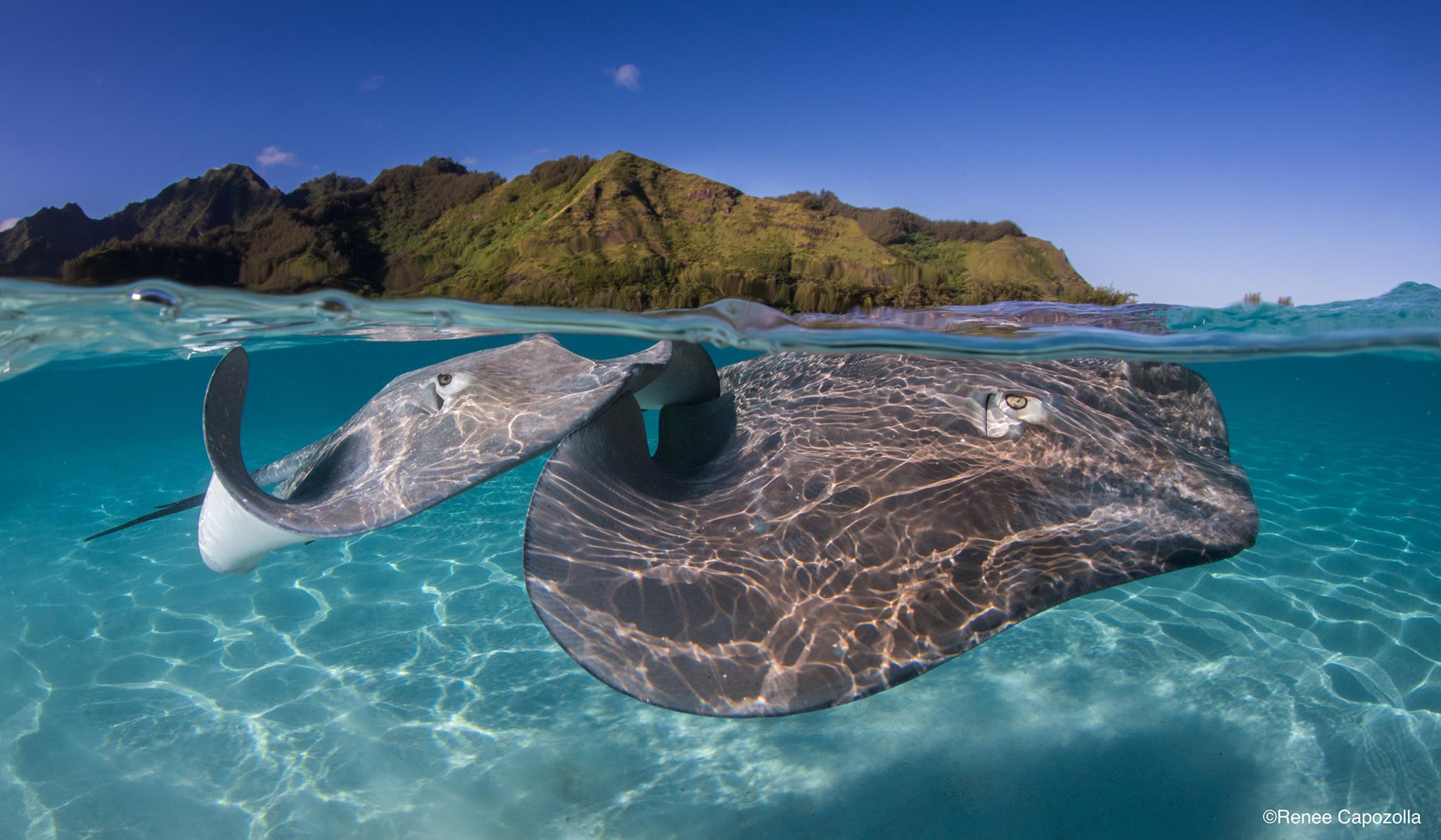
The sea, once it casts its spell, holds one in its net of wonder forever.

Jacques Cousteau

renee capozolla
© Renee Capozzola

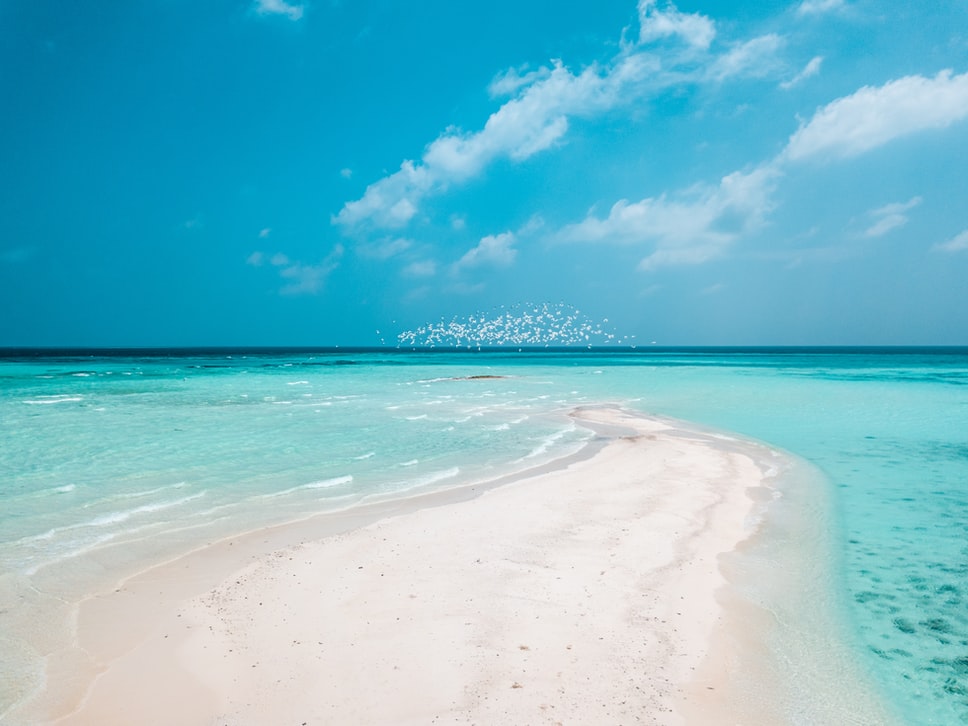
The cure for anything is saltwater: sweat, tears or the sea.

Karen Blixen

Nattu Adnan Unsplash
© Nattu Adnan

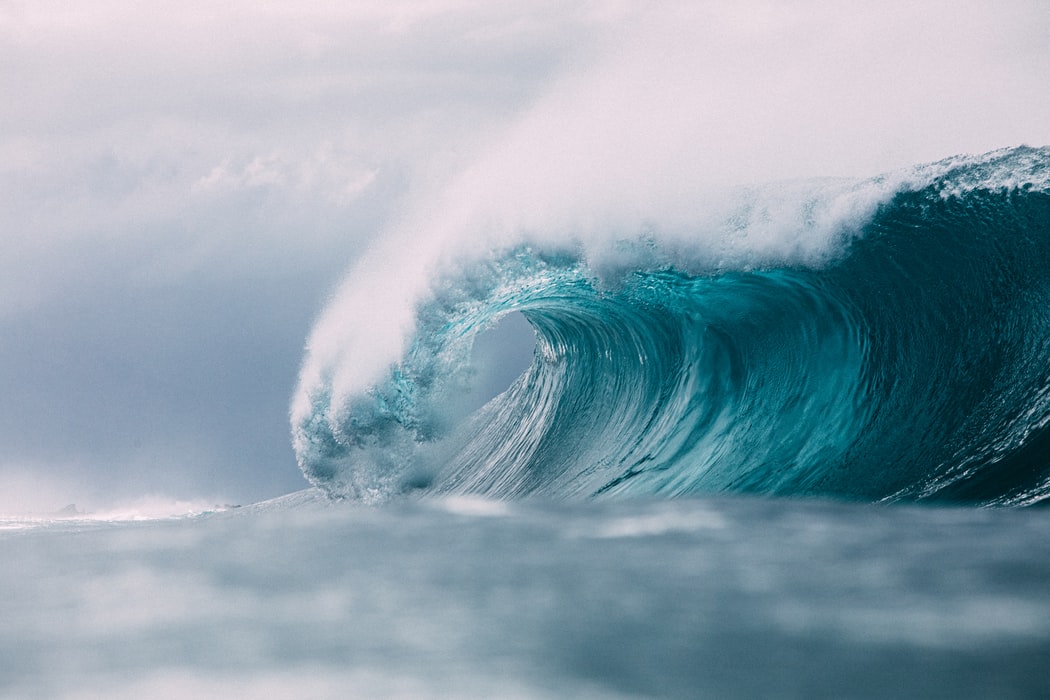
Sometimes in the waves of change we find our true direction.

Unknown

Matt Paul Catalano
© Matt Paul Catalano

The ocean stirs the heart, inspires the imagination and brings eternal joy to the soul.

Robert Wyland

Courtnie Tosana Unsplash
© Courtnie Tosana

If the ocean can calm itself, so can you. We are both saltwater mixed with air.

Chief Seattle

Elianne Dipp 3 Pexels
© Elianne Dipp

You will love the ocean. It makes you feel small, but not in a bad way.
Small because you realize you’re part of something bigger.

Lauren Myracle

Unsplash Pierce Gainey
© Pierce Gainey

A smooth sea never made a skillful sailor.

Franklin D. Roosevelt

Josh Sorenson
© Josh Sorenson
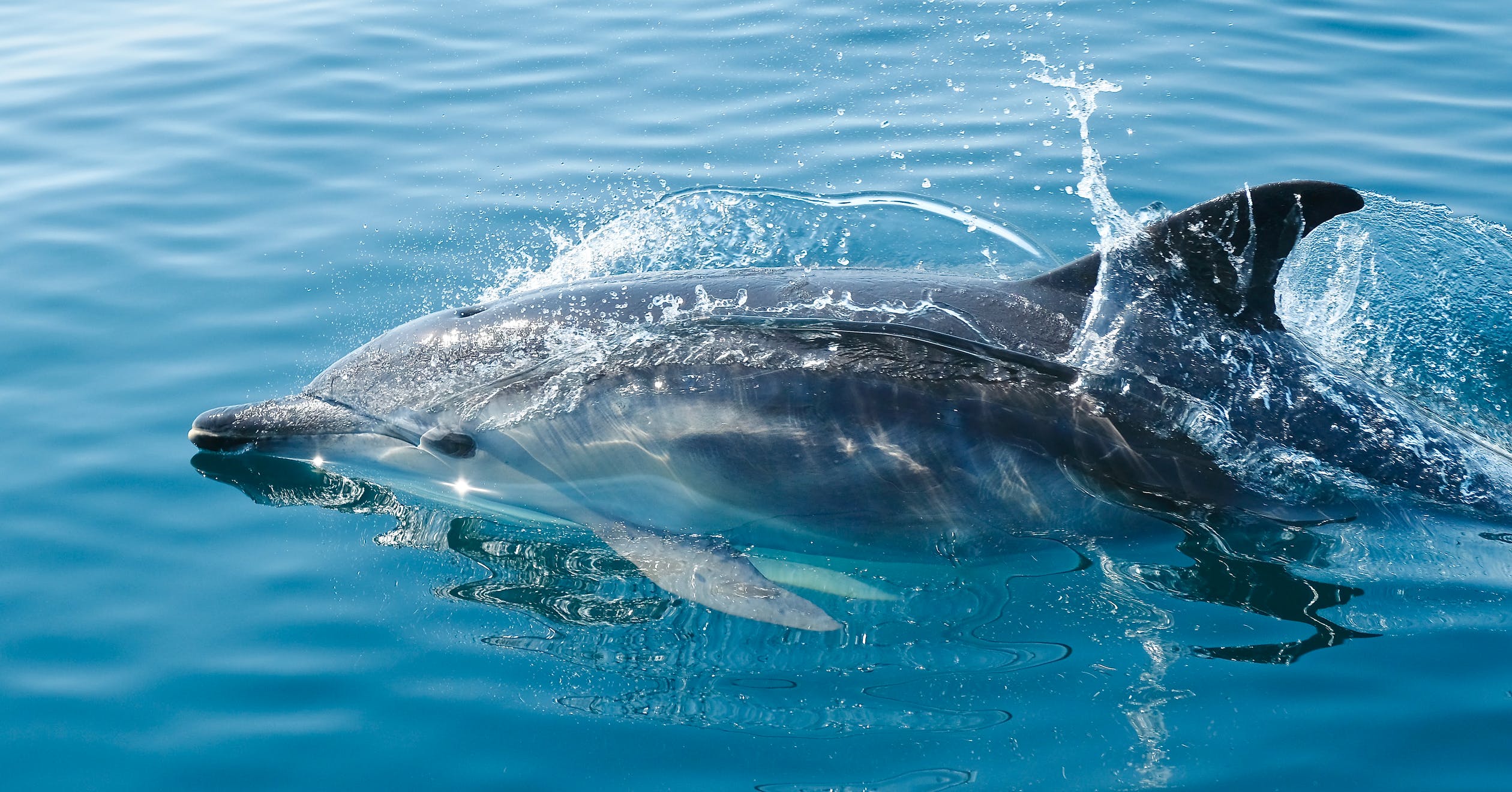
You can’t stop the waves, but you can learn to surf.

Jon Kabat-Zinn

Joe Boyne Dolphin Pexels
© Joe Byne
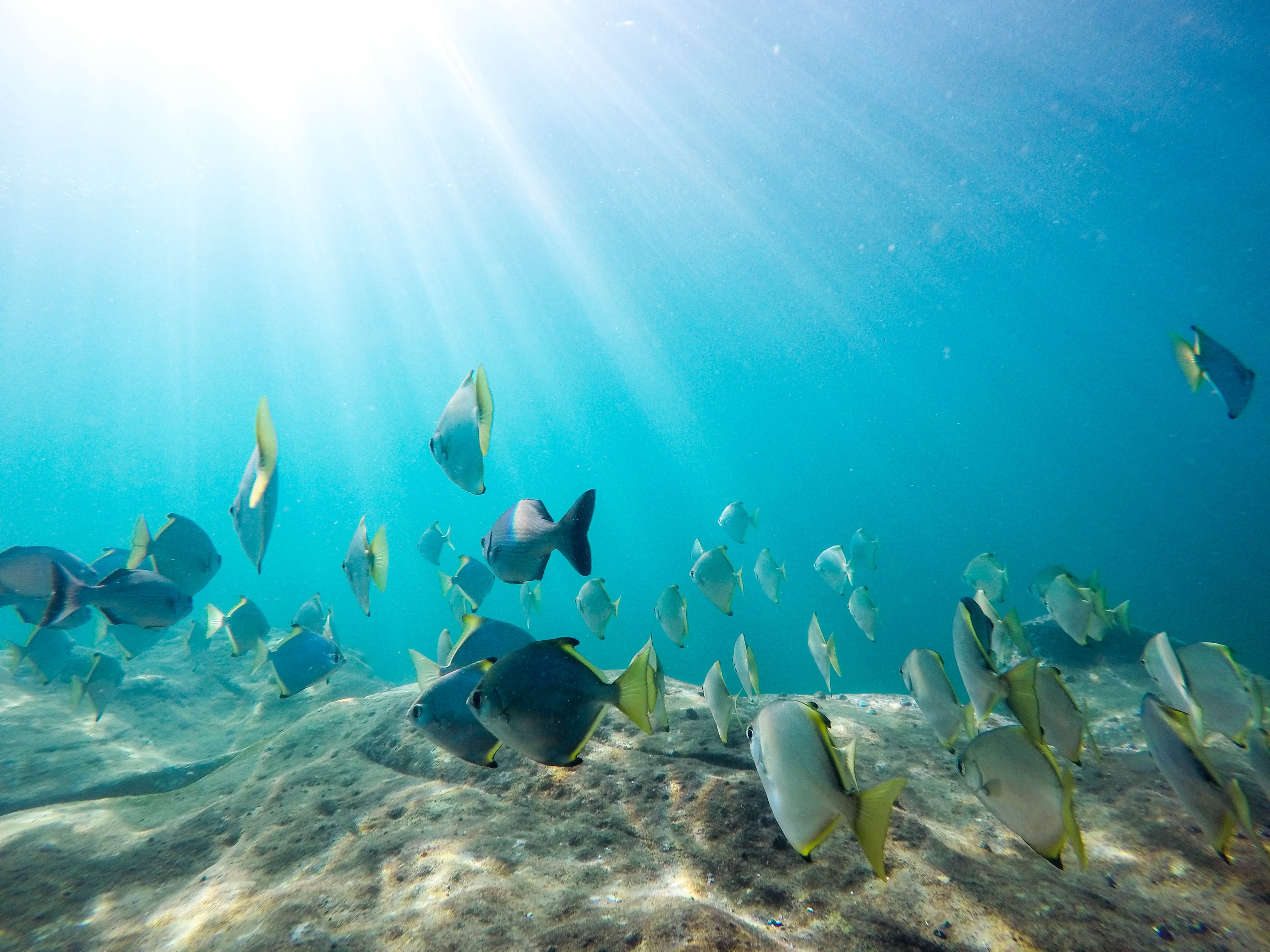
 Life is simple. Just add water.

Unknown

Jeremy Bishop Unsplash
© Jeremy Bishop
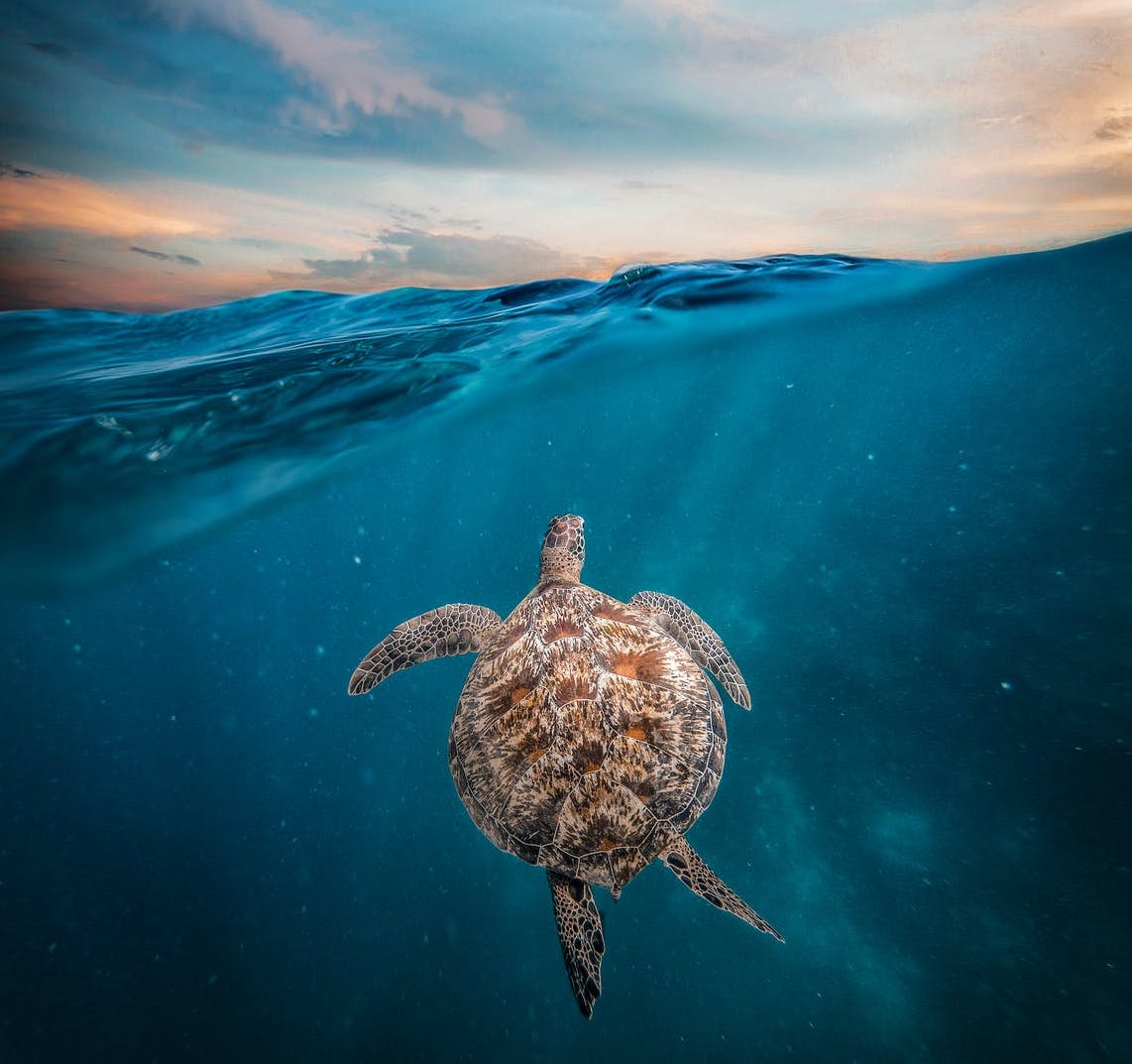
Be like a sea turtle; at ease in your own shell.

Bill Copeland

Stijin Dijkstra
© Stijin Dijkstra

Are you feeling extra inspired by our ocean after browsing these heart-rending quotes paired with stunning ocean imagery? Fight to protect the beautiful blue planet that provides us with so much. Click here to visit our Action Center and explore 10 different opportunities to take action for our ocean right from your mobile device or computer, and be sure to check back frequently for all the latest updates. Just as we count on our ocean, our ocean is counting on us, and there’s no better way to show it we care than by speaking up for it when it needs us most. Will you join us?

The post 10 Moving Quotes About Our Ocean appeared first on Ocean Conservancy.


from Ocean Conservancy https://ift.tt/3cq4YlM https://ift.tt/eA8V8J

Friday, 4 June 2021

“The Worst Marine Crisis in the Nation’s History”

What’s being called “the worst marine crisis in the nation’s history” is unfolding off the coast of Sri Lanka.

More than two weeks ago, a cargo ship carrying thousands of containers of toxic chemicals, oil and plastic pellets caught fire off the coast of Sri Lanka. Now, the boat is beginning to sink, putting delicate ecosystems, critical fishing environments and the communities that depend on them in further peril.

An undetermined amount of nitric acid has already leaked from the ship and several tons of plastic pellets have been collected from nearby beaches. The tiny plastic pellets, or nurdles, are the building blocks of everyday plastic items, like bags or food containers. They’re also among the most common forms of microplastic pollution. They can adsorb chemicals—like nitric acid—and are easily consumed by marine life, making their way up the food chain and into human diets. The situation in Sri Lanka is particularly dire because of the number of pellets spilled, coupled with the fact that the spill occurred near-critical fishing grounds. More than 50 miles of coastline have been temporarily banned from fishing so far, dealing a major blow to the many fishers who rely on these waters for their livelihood.

As we’ve seen from past pellet spills, it can take a mammoth effort to clean up these microplastics. It took 7,000 volunteers and hundreds of thousands of dollars to clean up a spill of a similar magnitude in Hong Kong in 2012—and that didn’t have the complication of added chemical toxicity.

On top of all of this, the threat of an oil spill remains ever-present as the cargo ship begins to sink in earnest.

The situation is dire, and our thoughts are with the people of Sri Lanka as they deal with the fallout of this crisis. Ocean Conservancy has partnered with the Marine Environment Protection Authority in Sri Lanka for many years through the International Coastal Cleanup, and we are committed to doing our part to support them and the people of Sri Lanka in their cleanup efforts in the days, weeks and years to come.

This horrible tragedy serves as a stark reminder of the terrible risks inherent in our disposable plastics lifestyle and economy. Each year, roughly 139,000 metric tons of plastic pellets enter our ocean. The plastic items that they go on to make have an even greater impact, with more than a garbage truck’s worth of plastic polluting our waters every minute.

It’s also a reminder that this is not a problem created by Sri Lanka or a problem that they should face alone. As a global community, we must come together to assist in the cleanup of this catastrophe. And ultimately, to prevent future disasters like this we must reduce our reliance on and production of disposable, single-use plastics, period.

The post “The Worst Marine Crisis in the Nation’s History” appeared first on Ocean Conservancy.


from Ocean Conservancy https://ift.tt/3fQsACd https://ift.tt/eA8V8J

Wednesday, 2 June 2021

3 Lessons Learned from Florida’s Piney Point Disaster

In April 2021, Florida was staring down an immediate environmental calamity. The Piney Point phosphogypsum stack just south of Tampa had failed and had begun to spill millions of gallons of toxic, nutrient-rich, possibly radioactive wastewater into Tampa Bay and the Gulf of Mexico.

This spelled imminent doom for local coastal habitats, including mangroves, seagrass beds and oyster reefs, as well as countless aquatic animal species ranging from manatees and sea turtles to dolphins, otters and gamefish.

For several days, Piney Point had put local neighborhoods and human life at risk—at one point there was a fear of a total collapse of the Piney Point facility, which could have released a 20-foot wall of water into people’s homes in adjoining neighborhoods.

Fortunately, that human risk abated but by the time the breach was plugged, hundreds of millions of gallons of toxic materials had already spilled into the Bay. The true environmental catastrophe had just begun to unfold.

From the get-go, the Piney Point disaster triggered an all-hands-on-deck response and local groups have been on the water working tirelessly to determine impacts to our coasts. Tampa Bay Waterkeeper and Suncoast Waterkeeper were immediately on the water and shedding a spotlight on what was happening at Piney Point for the world to see. The Tampa Bay Estuary Program and Sarasota Bay Estuary Program rapidly initiated data collection, testing and monitoring of water in the Bay as a result of the spill. Researchers from the University of South Florida College of Marine Science in St. Petersburg have been gathering data and conducting important modeling to determine where the toxic water will go and what impacts it will have.

Ocean Conservancy responded by teaming up with the University of Florida’s Center for Coastal Solutions to conduct flagship isotopic testing to gauge the full scope of impacts on wildlife from the Piney Point spill and to determine impacts on macroalgae and harmful algal blooms such as red tide.

Our partnership with the University of Florida supplements and enhances the critically important data collection already being done by the estuary programs and the Florida Department of Environmental Protection, and will fill in gaps in data so that Florida can have a clear picture of the impacts of the Piney Point spill on the marine environment.

But there is so much more to learn from Piney Point—we need for this event to shape how we respond to inevitable similar events that will arise in the future. Florida needs to be ready. Here are what I see as the most important lessons learned so far:

1. Tropical weather is getting more frequent and more severe and will cause more toxic spills like the one at Piney Point

Warming water temperatures cause more frequent and more severe tropical weather. Hurricane season officially starts on June 1, and it’s becoming more and more common to have tropical weather beginning in May. 2021 is no exception—we have already had named storms in May this year.

Hurricanes, tropical storms, tropical depressions—even a really bad afternoon rainstorm—can cause phosphogypsum stacks to be breached. The warmer the gulf and ocean, the worse the weather; the worse the weather the more likely the spill.

We need to clean up sites like Piney Point, and we need to protect and buffer our coastlines from rising seas. This means investing in green infrastructure—things like mangroves, coral reefs, dunes, seagrass flats and oyster beds—alongside investments in smart development, adaptive coastal management and resilient gray infrastructure. Floridians need resilience to become their mantra because a rising sea won’t wait for us to get it together and we, as Floridians, want to preserve the iconic coastal environment that we all so love.

2. Responding to environmental tragedies is not enough—We need to be prepared in advance for them

Governor DeSantis pledged more than $15 million to clean up the Piney Point facility, and the state legislature has put another $100 million in the annual budget to support cleanup efforts. That’s great—it’s money that needs to be spent to address this particular problem. But it’s responsive in nature, and it’s like pointing a squirt gun at a house fire—the real costs associated with cleaning up Piney Point are closer to $200 million. Further, there are nearly two dozen similar phosphogypsum facilities in Florida, and that doesn’t take into account the litany of other components of the human environment that can fail and threaten Florida’s ecosystems, whether from agricultural, heavy industry, sewer or septic.

We need proactivity in Florida and we need preparation in the face of the environmental threats that are coming down the pike.

3. Floridians from all walks of life and across the political spectrum need to band together and fight for Florida’s ocean and coasts

The response to Piney Point was truly heartening, but that’s just a taste of the Florida-wide response that we need. This time, it was Tampa Bay; but there’s also a tragedy unfolding in the Indian River Lagoon with seagrass die-offs and manatee mortalities; there have been fish kills in Biscayne Bay within the past year; and FWC commissioners have had to shut down the iconic Apalachicola oyster fishery in the panhandle to allow it to recover due to lack of fresh water flowing from Alabama and Georgia.

Everywhere you look, threats are imminent—and we need Floridians from all walks of life, regardless of your party affiliation or your political identity, to step up and speak up for Florida’s ocean and coasts.

The post 3 Lessons Learned from Florida’s Piney Point Disaster appeared first on Ocean Conservancy.


from Ocean Conservancy https://ift.tt/3yWbLx6 https://ift.tt/eA8V8J

What are Tire Wear Particles?

What do you think about when you hear the words “microplastic pollution?” Your mind may immediately go to imagery of colorful fragmented pl...