Tuesday, 9 June 2020

Guest Blog: Love the Oceans – Sustainability Challenge: Upcycling

We will be featuring guests blogs from Love the Oceans throughout June as their run their weekly sustainability challenges. What a super idea to help celebrate Worlds Oceans Day.

In honour of World Oceans Day, throughout June we’re running sustainability challenges every week, themed around different positive environmental changes you can make in your everyday life. This week’s theme is upcycling. Be sure to send in videos and photos of your upcycling efforts to be entered into our competition to win over £500 worth of awesome eco brands!

What is upcycling?

The Cambridge English Dictionary definition of upcycling is:

“the activity of making new furniture, objects, etc. out of old or used things or waste material”

The Problem

Every year, the world’s population dumps about 2.12 billion tons of waste, a number that is on track to triple by 2100 according to World Bank estimates. To give you an idea how much trash that is, if we’d put all that trash in trucks with a capacity of 40 tons, the line of trucks would stretch over a distance of 960,000km or 2.5 times the distance between the earth and the moon. Seems like a ridiculous amount? That’s because people in developed countries are not confronted daily with the world’s mounting trash problem and it’s consequences. But in Africa, and in Mozambique in particular, improper garbage disposal leads to trash accumulating in the streets and in giant landfills, posing direct and indirect threats to the survival of the population. In 2018 17 people were killed in Maputo, Mozambique’s capital, when a large trash mound partially collapsed due to heavy rainfall. Landfills also contribute to outbreaks of mosquito-borne malaria other diseases all over Africa.

trash

Mozambique is situated on the edge of the Indian Ocean Garbage Patch. There are 5 large garbage patches in the world’s oceans and the Indian Ocean Garbage Patch is the 3rd largest at over 5 million km2. The patch is essentially a massive gyre of litter suspended in the water column and consists of an array of different waste: discarded fishing gear, plastics, chemical sludge and other debris. Whilst a lot of this trash is believed to come from developing nations, we (the UK) actually export a lot of our waste to these nations which then ends up in the ocean so a lot of it actually comes down to us in the UK and other developed countries changing our habits.

If trash goes into the water in Indonesia, it’ll take around 6 years to do a full circle in the ocean currents to get back to the starting point, and that’s if it doesn’t get stuck in the middle of the ocean where it could remain…indefinitely. Scary, right? Right.

Plastic-Ocean-Infographic

What Love The Oceans is Doing

Love The Oceans has been collecting and recording marine debris data since 2017. We conduct weekly beach cleans, removing marine debris from our local beaches and documenting the scale of the issue. The collected marine debris is logged by category and weight using a widely recognised methodology. The three most commonly collected items are plastic fragments, plastic bottle caps and discarded fishing gear. Since May 2017 Love The Oceans has removed over 1000 kg of marine debris from a 15 km stretch of coastline. While some of this debris is local (especially flip-flops and cigarette butts), the vast majority is transported to the area via ocean currents, highlighting the need for international action against marine debris and plastic pollution.

42503875_875390115992011_8635394072049090560_o

After we have collected the trash off the beaches, we process it – wash, cut & dry it – and then we pack it into what we call eco-bricks. Our eco-bricks are 2L drinks bottles thrown out by resorts here, which we pack tightly with beach clean trash. these eco-bricks are then used in construction at the local schools as part of our projects.

67959938_1058845967646424_7227967739082571776_n

What You Can Do

There are eco-brick initiatives all over the world that you can get involved with if you’d like so check your home country, but there are also plenty of other ways to try your hand at upcycling and create some cool new-old items in the process!

Some of our favourite include (feel free to try these out and send us your vids!):

Get your creative thinking cap on and send us what you come up with when upcycling your old belongings. If you don’t want to use any of your own stuff (please try to!) you can check out second hand, vintage and antique shops, that way you’re not contributing to the problem of waste creation as you’re using something that has been pre-loved.

Untitled design (1)


from WiseOceans blog – WiseOceans https://ift.tt/37dwG1e https://ift.tt/2A8bq0Y

Monday, 8 June 2020

World Ocean Day 2020

World Ocean Day for us at Ocean Conservancy is always a cause for celebration. We enjoy any opportunity to appreciate the power and beauty of the ocean—and to unite around action to protect it. The ocean belongs to all of us. And for almost 50 years, you’ve been part of our mission to create science-based solutions for a healthy ocean and the wildlife and communities that depend on it.

But this year is different. This World Ocean Day, we are pausing on the celebration and focusing on reflection and reckoning instead.

Like many other national environmental organizations, Ocean Conservancy is an overwhelmingly white organization. We recognize that we benefit from systemic social and political structures that implicitly and explicitly reward whiteness. We also recognize that for too long we have been absent from the fight against racism and for social justice. This year is different. A just and equitable future requires far more from us, and we commit to learning and doing more. Does an ocean conservation organization have a role to play in dismantling racist systems? I know we do. Will the ocean be better off in a just and equitable world? I know it will.

Last week, my organization issued a statement in solidarity with the ongoing protests, calling for reforms against anti-Black racism because we recognized that silence makes us complicit. As CEO of Ocean Conservancy, I am committed to leading organizational change that will contribute to a larger societal fight for justice and equity, as we work every day to protect our ocean.

And you have a role in that too.

This World Ocean Day, I invite you to join me in honoring Black excellence, resilience and success in ocean conservation, starting with the indomitable Dr. Roger Arliner Young who blazed a trail for many Black women when she became the first Black woman to earn a doctorate in Zoology. She was the inspiration for Roger Arliner Young Fellowship, which Ocean Conservancy helped establish and continues to support.

Learn more about frontline communities, like the Gullah/Geechee nation led by Queen Quet, who are fighting to protect their coastal community from the impacts of climate change. Follow the work and insights of Black marine conservationists like Dr. Ayana Elizabeth Johnson who recently wrote this powerful piece in The Washington Post. Click here to see our list of other Black, indigenous and people of color leaders in the movement. We’d love to hear from you—who else are you reading about and whose voices can we amplify?

I also encourage you to do what you can to support Black-owned businesses, individuals and communities that have been hard hit by the ongoing global pandemic.

Black, indigenous and people of color are already hurting from the loss of jobs and much higher rates of COVID-19 deaths and infections. They are already bearing the brunt of climate change impacts. To truly solve the climate crisis, we must prioritize racial justice. We can’t solve one without the other.

Use your influence to call on decision-makers to take meaningful action on climate change, which is already taking a toll on the most underserved and underrepresented communities.

This World Ocean Day, let’s not shy away from the courage and commitment that this moment requires from us. You will hear more from me soon about some of the work Ocean Conservancy is doing to make a difference in this fight. I urge you to join us, and to hold us accountable to reflect our commitment to be a true ally to the Black community and other underserved communities as we integrate justice, equity, diversity and inclusion into our work.

I am grateful that we can be united for each other as well as for the ocean we all love.

The post World Ocean Day 2020 appeared first on Ocean Conservancy.


from Ocean Conservancy https://ift.tt/2zjinMc https://ift.tt/eA8V8J

Friday, 5 June 2020

Statement of Lance Morgan, President of Marine Conservation Institute on President Trump’s Attempt to Incapacitate the Northeast Canyons and Seamounts Marine Monument

For Immediate Release

Friday, June 5, 2020

Contact:
Lance Morgan Lance.Morgan@marine-conservation.org, 707-217-8242 (cell)

Mike Gravitz Michael.Gravitz@marine-conservation.org, 301-351-5052 (cell)

[Glen Ellen, CA] Last Friday President Trump proclaimed June as National Ocean Month, saying that, “… we reaffirm our commitment to responsible stewardship of our ocean resources…..and ensuring that the natural beauty and wonder of the oceans are preserved and maintained for future generations.” This Friday, just before World Oceans Day on Monday, President Trump made a mockery of that proclamation by removing the only real protection that matters –- a gradual phase out of all industrial fishing in monument waters.. Without protection from industrial fishing, bottom trawling, crabbing and other extraction, the New England canyons and seamounts monument becomes nothing more than a paper park.

Marine Conservation Institute specializes in identifying, advocating for, and monitoring the health of marine protected areas around the world. Our founder, Dr. Elliott Norse, first identified the Northeast Canyons and Seamounts as worthy of more research and protection in the mid-1990’s. Many organizations worked with the Obama administration and all stakeholders to bring about the protection of the awe inspiring marine mammals, delicate deep-sea corals and sponges, and other marine life in this area.

As the first and only marine monument in the Atlantic Ocean, the Northeast Canyons and Seamounts was carefully selected for its special biological value and representativeness. Provisions were made for the slow phase out of industrial activity there over a seven year period, giving the small crab and lobster fishery time and opportunity to utilize other areas.

According to our Atlas of Marine Protection (www.MPAtlas.org) the marine monument is 5,000 square miles, representing a small sliver, just a few percent, of New England waters.

If we cannot actively conserve unique places off of America’s east coast for future generations, what kind of stewards of the natural world are we? Why can’t we preserve a few places in our oceans from extraction and leave them alone for spectacular and awe inspiring marine life to survive and grow there. In a fit of irony and hypocrisy, why must our President take this action just two days before the world celebrates its oceans on World Oceans Day?

*****

Marine Conservation Institute, founded in 1996, works in the U.S. and globally to seek strong protection for 30% of the ocean by 2030—for us and future generations. Our focus on protecting the ocean’s most important places follows several lines of work: identifying and advocating for strong marine protected areas; improving laws and other tools to better conserve marine biodiversity; catalyzing effective conservation by recognizing and elevating the best marine protected areas as Blue Parks; and accurately reporting on conservation efforts with our Atlas of Marine Protection (MPAtlas.org).

About Marine Conservation Institute


from On the Tide https://ift.tt/30cR8hf https://ift.tt/eA8V8J

My Journey to Ghost Gear

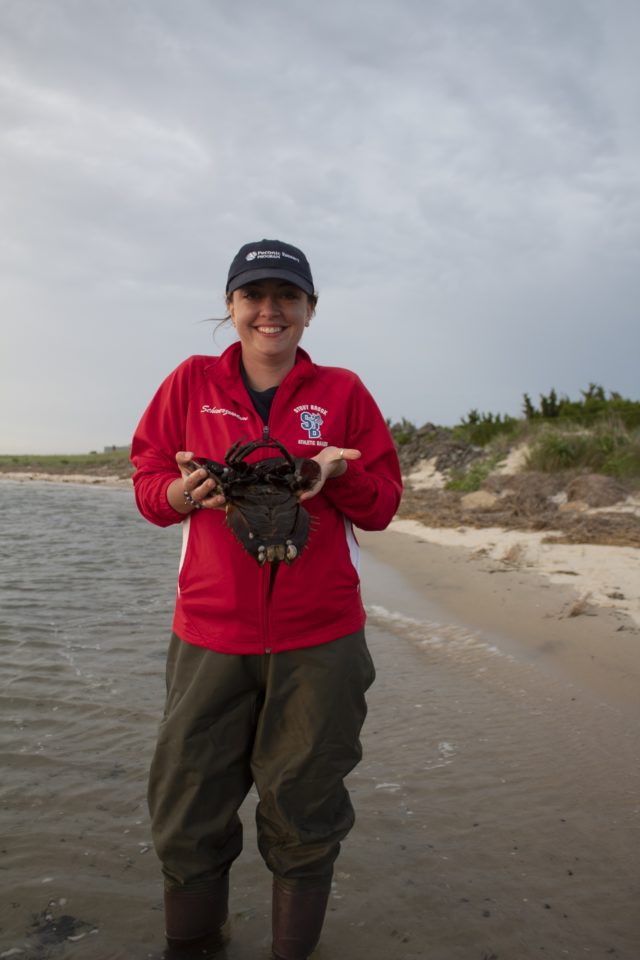
This blog was written by Jenna Scwerzmann. Originally from upstate New York, Jenna began her marine conservation career on Long Island after graduating from Stony Brook University with a B.S. in Marine Vertebrate Biology and M.A. in Marine Conservation and Policy. She has experience with both research and outreach for local estuarine conservation efforts, including horseshoe crab monitoring, shellfish restoration and water quality projects, all through Cornell Cooperative Extension’s Marine Program. Jenna has also volunteered aboard whale watches since 2015 and interned at NOAA Fisheries in Gloucester, Massachussets to assist with outreach for the Whale SENSE Program.

Jenna and horseshoe crab
© Jenna Scwerzmann
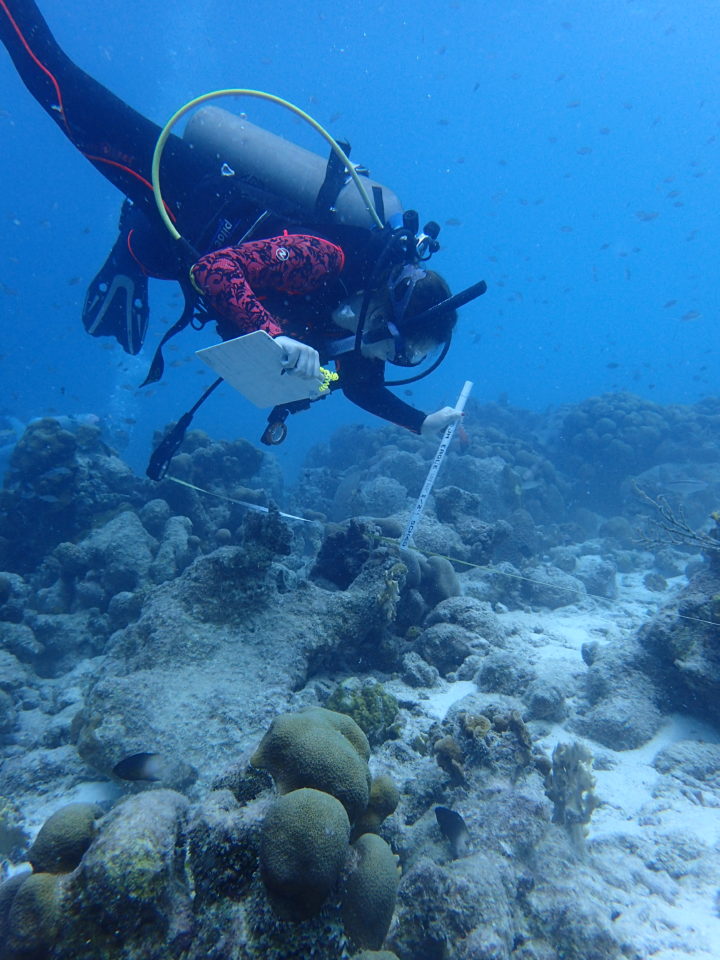
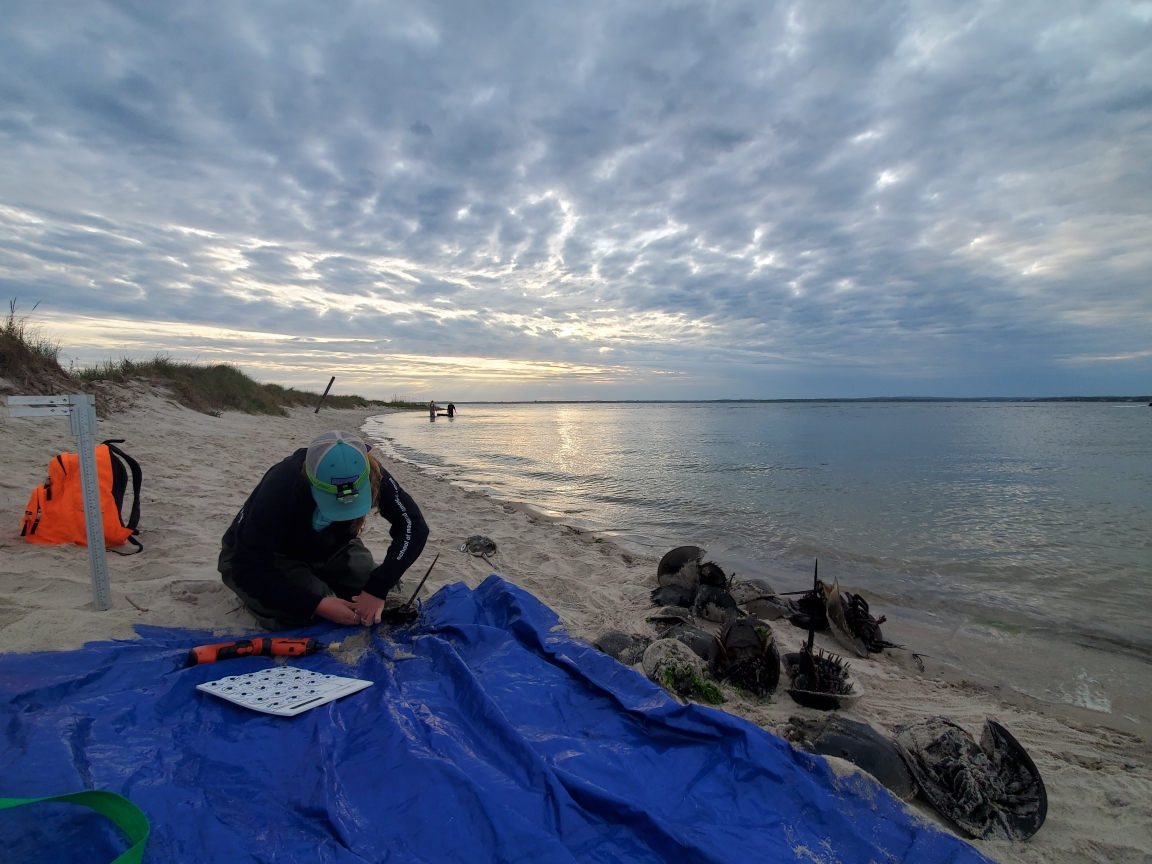
When someone decides to pursue a marine biology degree, they will find themselves in unexpected learning and work environments. Outside of my formal education, I’ve had a variety of experiences, some of them glamorous, most of them not. I’ve sifted through the foul, half-digested contents of sea turtle stomach samples. I’ve walked moonlit beaches after midnight, despite rain, wind, heat or cold, searching for mating horseshoe crabs or nesting leatherback sea turtles. I’ve snorkeled, SCUBA’d, and sailed for marine science, often uncomfortably, resulting in dozens of bruises, countless bug bites and blistering sunburns. I’ve dug for groundwater samples, studied shellfish feces, counted hazardous marine bacteria and helped dissect a decomposing humpback whale. I’ve taken a lot of directions, many involving unpleasant odors.

All those changes in direction led me to this blog post. My name is Jenna Schwerzmann and I’m excited to be serving as the first-ever Joanna Toole Intern. Named after Joanna Toole, one of the co-founders of the Global Ghost Gear Initiative (GGGI) who was tragically killed in the March 2019 Ethiopian Airlines crash, the internship is hosted by Ocean Conservancy, the Center for Coastal Studies, the Joanna Toole Foundation and OceanCare, and seeks to support women in conservation. During my time with the GGGI, which is part of Ocean Conservancy’s Trash Free Seas© program, I will support ongoing research and communication efforts. This includes working on the Ghost Gear Data Portal, updating the GGGI website, analyzing ghost gear policy, and writing for our newsletter and blog. The second half of my internship will be hosted by the Center for Coastal Studies, where I hope to return to the field in-person when it is safe to do so. As part of my fieldwork, I will provide hands-on support, raise awareness for ghost gear and marine debris, organize and participate in shoreline cleanups and data collection, and analyze sea turtle entanglement data.

OLYMPUS DIGITAL CAMERA
OLYMPUS DIGITAL CAMERA © Jenna Scwerzmann
While I’ve always been passionate about marine life, the issue of ghost gear and entanglement became more significant to me after an internship with NOAA Fisheries in Gloucester, Massachussets. During that time, I assisted with marine mammal education and outreach with a focus on the whale watching industry. I met several people in the field, explored the New England coast and saw a lot of whales! But there was a downside. Back in my cubicle, I couldn’t help but overhear reports of whale deaths and entanglements as soon as they were discovered. Sometimes the cause was unknown, other times it was a ship strike and sometimes it was an unfortunate encounter with fishing gear. While this was disheartening, I learned there were people working to solve the problem from all sectors, not just government, but also fishers, engineers and other nonprofits.

My experience with NOAA Fisheries led to a greater interest in sustainable seafood solutions. I was drawn to the Joanna Toole internship because it ties in all the things that I care about most through work with incredible organizations. The GGGI drives solutions for abandoned, lost or discarded fishing gear (ALDFG)—the most harmful form of marine debris—using a collaborative approach that supports the fishing industry adaptations that benefit everyone.  These innovations will protect the marine environment, the people that depend on it and the marine creatures I love.

I’ve been a long-time admirer of both Ocean Conservancy and Center for Coastal Studies, so it is incredible to have the opportunity to work with these organizations.  While I didn’t know Joanna Toole, I am inspired by her work and incredibly honored to be chosen for a position created in her memory. I’m grateful to take this opportunity to work on the passions that Joanna and I share. Thank you to everyone who made this internship possible, including Ocean Care, the Joanna Toole Foundation, Center for Coastal Studies and Ocean Conservancy.

Jenna in field

The post My Journey to Ghost Gear appeared first on Ocean Conservancy.


from Ocean Conservancy https://ift.tt/2Udl8Ga https://ift.tt/eA8V8J

Tuesday, 19 May 2020

11 Facts About Horseshoe Crabs That Will Blow Your Mind

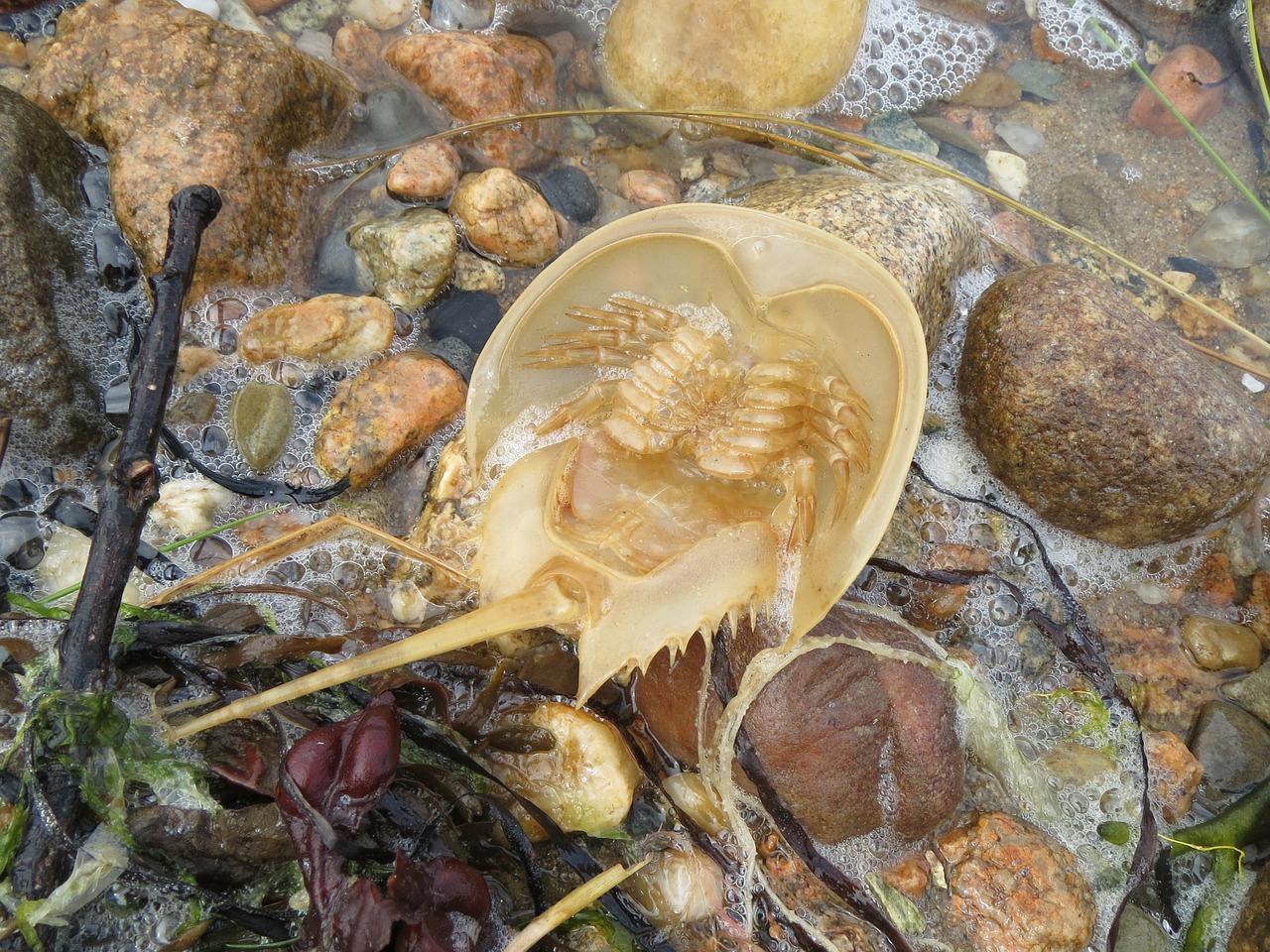
If you’ve never encountered or learned about horseshoe crabs before, I have a treat for you. One of my absolute favorite marine species, these oddly charming marine arthropods get their name from their horseshoe-shaped exoskeleton, called a carapace. I’ve always thought that the exterior appearance of these animals was one of their most fascinating qualities, but it turns out there’s so much more to them than meets the eye. Read on to find out some of the most mind-blowing facts about one of our ocean’s most intriguing bottom-dwellers: the horseshoe crab.

They’re living fossils.

These ocean critters predate the dinosaurs! The oldest known Horseshoe crab species, (Lunataspis aurora) was discovered by scientists in 2008 and is estimated to be nearly 450 million years old. While they’ve certainly experienced a few evolutionary adaptations, their physiology has remained largely unchanged over time, which is why they’re so often referred to as ‘living fossils.’ Four species are known to be alive today, and only one calls American waters home: the Atlantic horseshoe crab (Limulus polyphemus). This species can be found from Maine all the way to Mexico, typically populating deeper waters as adults but traveling to shorelines each year to spawn.

Screen Shot 2020-05-19 at 7.37.24 PM
© Eric Hian-Cheoung

No, they’re not actually crabs.

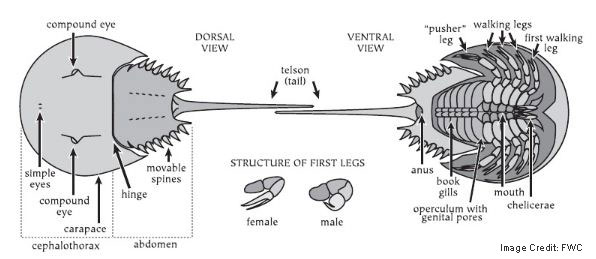
Horseshoe crabs are much more closely related to arachnids like spiders and ticks than true crabs. They’re part of the Subphylum Chelicerata and are further classified into Class Merostomata, which includes horseshoe crab species as well as eurypterids (sea scorpions). Interestingly, the term Merostomata translates to “legs attached to the mouth.” Speaking of which…

They’ve got legs near their mouth.

While their primary sets of legs are used to help them move around, the pair of legs that’s closest to their mouth is actually a set of pincers, which they use to move food closer to their mouth and crush it up to be easier to consume. If you were wondering, some of their favorite foods are sea worms, mollusks and crustaceans. Adults tend to opt for bivalves once they’ve matured in size, but youngsters tend to like to go for the easy-to-maneuver marine worms.

horseshoe-crab-anatomy-usf
© Florida Fish and Wildlife Commission

They’re not dangerous.

While many people mistakenly associate these animals with rays or skates because of their shape, they’re actually not related and aren’t dangerous at all. Their tails, called telsons, aren’t poisonous or venomous; they’re mainly used to steer and flip themselves over in case they get stuck on their backs.

GIPHY : Dalton Discovery Center
© Dalton Discovery Center / GIPHY

They can swim upside-down.

Flap-like structures near their abdomen, called book gills, enable horseshoe crabs to breathe underwater … but sometimes, they use them for the goofier purpose of swimming upside-down. It’s mainly the youngsters that engage in this behavior, but it’s entertaining to watch nonetheless.

Spawning season is an absolute spectacle.

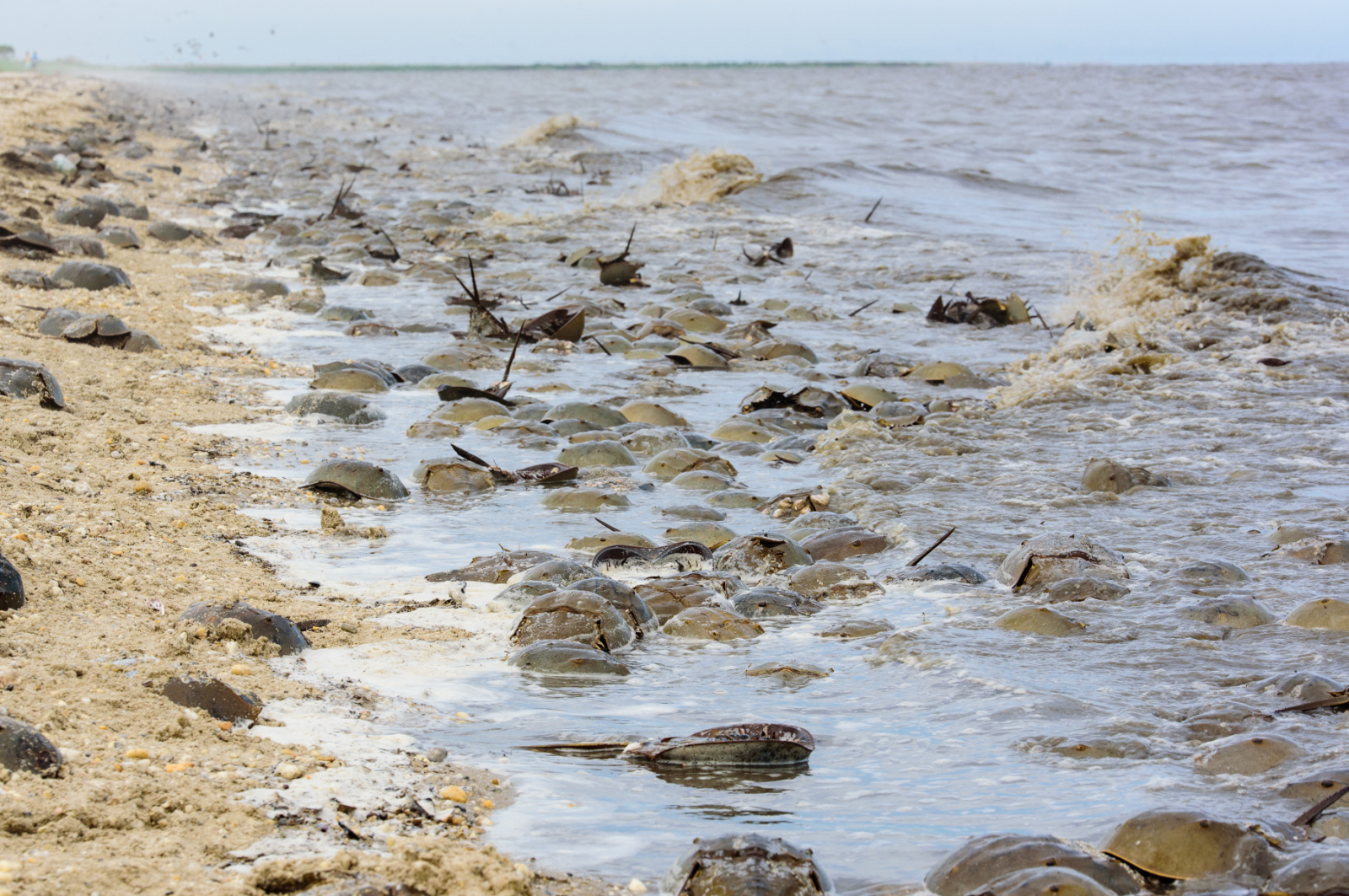
Every spring when the tide is high, horseshoe crabs travel up to the shoreline to mate and lay their eggs at night. One of the most famous locations of these “love fests” occurs in Delaware Bay every year, where hundreds of thousands of these ancient critters can be seen on the shore. When it’s time to lay her eggs, a female horseshoe crab will deposit somewhere around 4,000 eggs in clusters. She’ll do this several times, laying up to around 20,000 eggs in one night and up some 100,000 in each meeting season. That’s a lot of horseshoe crab babies!

Their eggs are a main food source for many coastal species.

While the number of eggs a horseshoe crab mom lays is jaw-dropping, most of the eggs will not survive to adulthood, or even to their hatching point.  Scientists calculate that a very small percentage make it to maturity because the eggs serve as an important source of food for wildlife like migratory birds, sea turtles and some fish species. While Atlantic horseshoe crab populations are currently listed as vulnerable by the IUCN (International Union for the Conservation of Union)’s Red List of Endangered Species, this listing is primarily a result of anthropogenic (human-caused) sources and habitat loss, and not as much a result of natural predation by other traditional species.

They can see ridiculously well.

With 9 eyes in total along with various light receptors near their telson, these creatures have insanely good vision. They have different core purposes, too; their two lateral compound eyes are often used to help locate potential mates, while their smaller median set is sensitive to UV light. The others are useful in detecting movement nearby as well as changes to surrounding light.

They’re all about personal growth.

Horseshoe crabs don’t reach full maturity until approximately age ten, and while they do experience consistent growth over those first ten years, their carapace (their tough exoskeleton that makes them look like tanks) doesn’t actually grow with them. Because of this, kiddo horseshoe crabs have to molt … and do so up to an average of 16 times before reaching maturity. Once they’re grown-ups, it’s unusual for them to shed their exoskeleton. Before they reacg maturity, I guess they’re constantly shedding ‘who they were before’ to grow into who they were meant to be!

exoskeleton 1
Public Domain

They’re medical heroes.

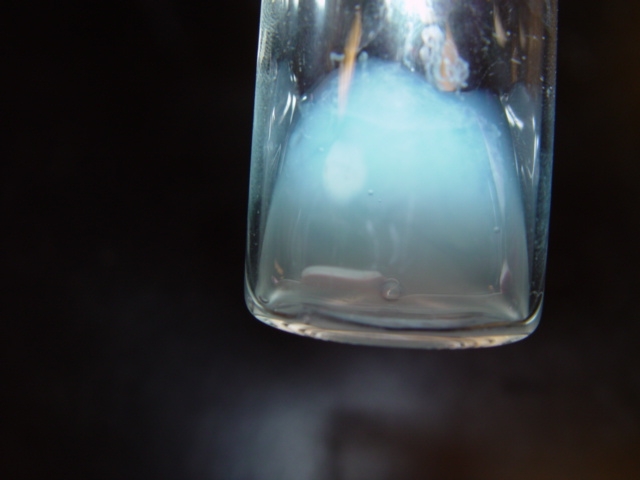
Hang on tight, because we’re going for a wild science ride. Firstly, horseshoe crabs don’t have white blood cells like we do to help fight off infection. Instead, they have what’s called amebocytes, which are feisty little cells that attack pathogens (the bad guys in the cellular world, which cause disease) by trapping them in what’s basically a wall of goo. This keeps the disease from spreading throughout the organism. Why is this important for modern-day medicine, though? In the late 1950s, a physician at Johns Hopkins discovered that you can use the amoebocytes found in horseshoe crab blood to test the safety of vaccines and other drugs. Essentially, amebocytes are added to the contents of the vaccine or drug, and if they excrete their gooey defense mechanism, it means the product isn’t ready for use yet, because the specimen contains bacteria encountered by the amebocytes. If it weren’t for horseshoe crabs and this discovery, who knows how many people may have been harmed from drugs doctors otherwise would have thought were ready for administration!

Sue Gerhart Fish and Wildlife Research Institute
©  Sue Gerhart Fish and Wildlife Research Institute

They’re super helpful to scientists,

but they could also use scientists’ help.

While the medical bleeding process is for the most part not harmful to horseshoe crabs, scientists are still hoping to work toward using synthetic amebocytes in the future so they won’t have to put horseshoe crabs through the process of extraction. The animals go back into the water mostly unharmed after nearly 30% of their blood is drained over the course of two days, but not all horseshoe crabs make it back healthy. Research shows various data reporting that between 10% and 30% of horseshoe crabs that are used for medical bleeding don’t survive once returned to the water, and some that do survive don’t return to exhibiting healthy behavior, often appearing lethargic with a decreased ability to thrive. The process is a careful one where scientists do all they can to make sure the animals are unharmed, but they still hope to move to a synthetic option that replicates these original cells so horseshoe crabs won’t be subject to the stress that may come from the practice.


All in all, I honestly think horseshoe crabs are some of the most fascinating and resilient species on Earth. From their ancient-looking exteriors to the part they’ve played in medical advances, their preservation proves important to both the health of the ecosystems they inhabit as well as factors far beyond their own homes.

The post 11 Facts About Horseshoe Crabs That Will Blow Your Mind appeared first on Ocean Conservancy.


from Ocean Conservancy https://ift.tt/3cPsHtJ https://ift.tt/eA8V8J

Friday, 8 May 2020

Energy of the future: photosynthetic hydrogen from bacteria

Kiel research team investigates how cyanobacteria can be transformed into hydrogen factoriesThe transition from fossil fuels to a renewable energy supply is one of the most important global challenges of the 21st century. In order to achieve the internationally-agreed target of limiting global warming to a maximum of 1.5 degrees, the international community must drastically reduce global CO2 emissions. Although Germany was long considered a pioneer in this energy transition, a wide-ranging switch to renewable energies in the energy sector still remains a future scenario here. In this regard, hydrogen could play an important role in the future as a promising, potentially climate-neutral energy source. 

from "Future Ocean" – News https://ift.tt/3fFWVRU https://ift.tt/eA8V8J

Unexpected Creatures Thriving in the 49th State

Brown bears. Bald eagles. Sea otters. These iconic Alaskan species that we all know and love deserve admiration, but this blog is not about them. This blog is about four of the lesser-known creatures that reside and thrive in Alaska’s vast lands and seas.

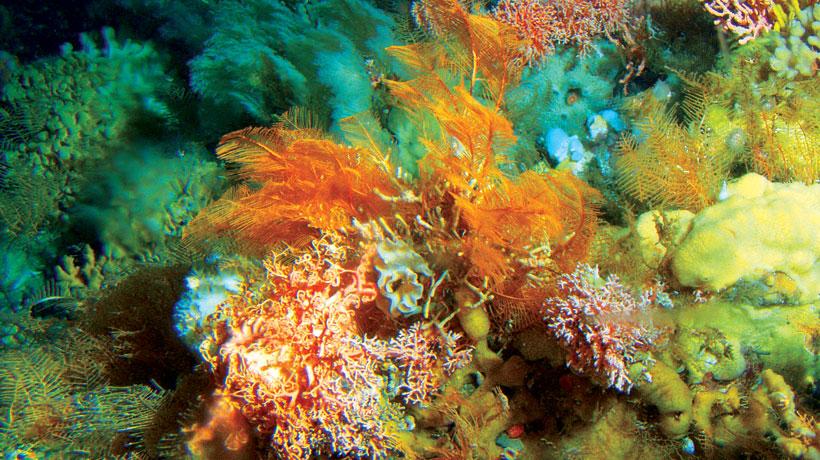
Coral reefs

aluetian_coral_reef_carousel_AlbertLinder_NOAA._jpg
© Albert Linder/NOAA
Okay, so maybe coral reefs aren’t “lesser-known” generally speaking, but they are in the context of Alaska. If an image of basking in the warm tropical sun, toes in the sand whilst sipping a piƱa colada come to mind when you think coral, you are not alone. It may come as quite a surprise that the Alaskan Aleutian Islands are home to some of the most abundant and diverse coral ecosystems in the world. While these corals can look similar to the shallow coral reefs you might see snorkeling in the tropics, deep-sea corals found in cooler water (and at much greater depth) do not require sunlight to produce food. Instead most are filter feeders, grasping food particles from nearby currents. Alaska’s coral gardens serve critical ecosystem functions, like providing essential fish habitat for several commercial fish species. Thankfully, many of these corals are now protected by the North Pacific Fishery Management Council from bottom trawling, and areas of especially high density are closed to all forms of bottom contact gear, including longlines, pots, etc.

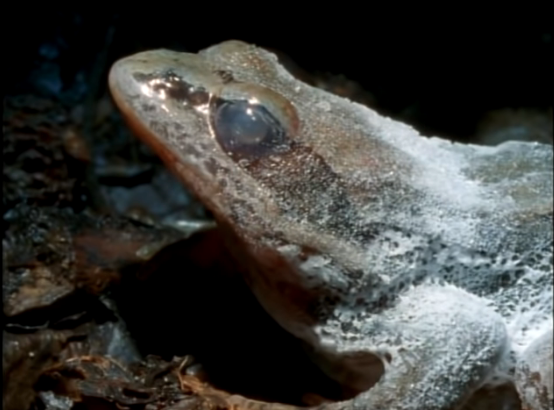
Frozen tree frogs

Screen Shot 2020-05-08 at 9.12.15 AM
© Steve Downer/PBS
Normally I focus on ocean creatures, so please forgive me for taking us on land, but I cannot help but divulge the lesser-known lives of the Alaskan-residing wood frog. These marvelous amphibians freeze for SEVEN months. In September, after a couple of weeks of cycling through freezing and thawing, the wood frog begins its frigid rest. No heart is beating, no blood is flowing. It is not until around April that they thaw, hop to the nearest pond and immediately start mating.

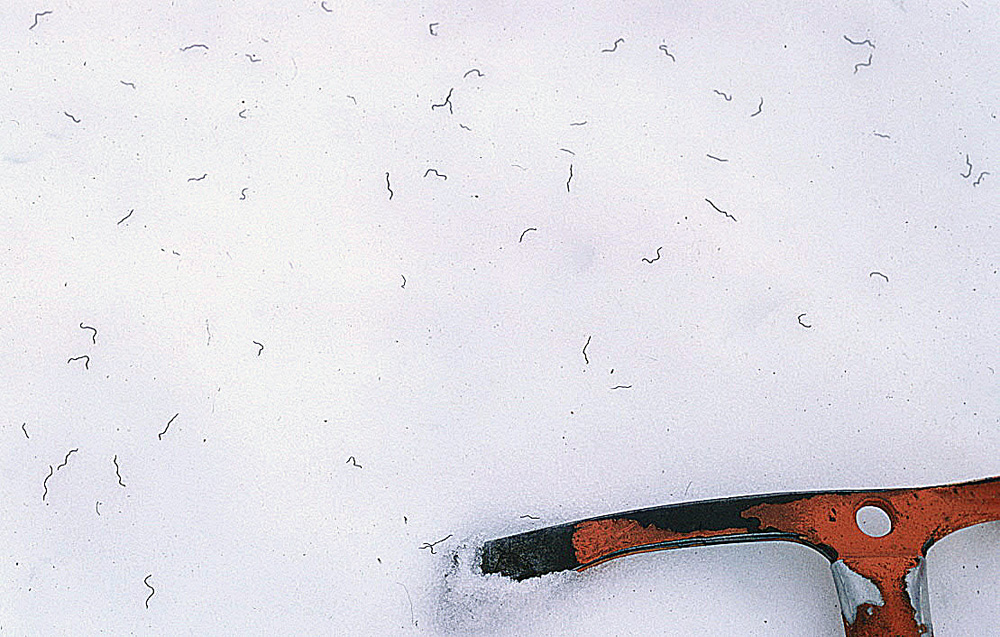
Ice worms

Mesenchytraeus solifugus iceworms
Mesenchytraeus solifugus iceworms © Dick Culbert
Once known only to me in my nightmares, ice worms do indeed exist. Iceworms are thin segmented worms ranging from one to three centimeters long. Living their best lives in glaciers and snowfields, iceworms consume red algae and the remains of other small organisms. There is even an iceworm festival held every year in Cordova, Alaska—complete with the crowning of a Miss Iceworm.

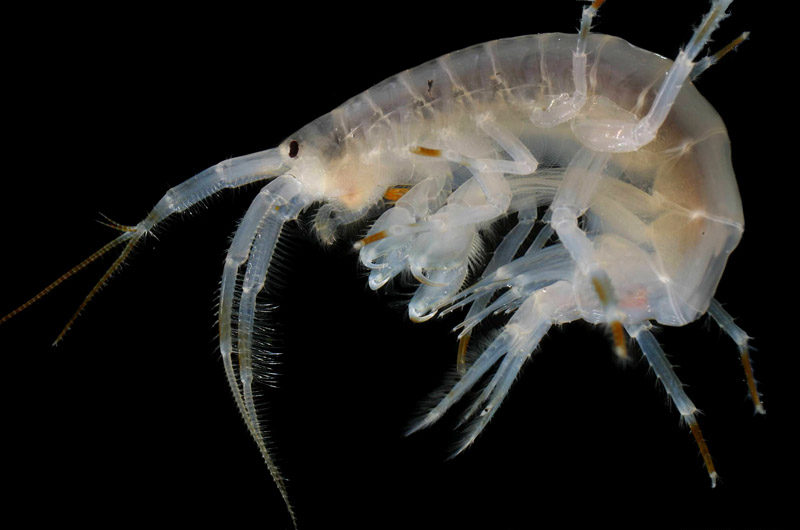
Sea-ice amphipod Gammarus wilkitzkii

Gammarus_wilkitzkii_800x600
© Raskoff/MPC
Moving back to the ocean, we find another peculiar ice-dwelling creature. Endemic to Arctic waters, this carnivorous amphipod (a form of crustacean) is usually found attached to the underside of Arctic sea-ice or burrowing in it for protection. Their nearly transparent bodies have thick antennae, strong claws and three pairs of reverse-bent legs. Rather small compared to the crustaceans most folks picture, at just six centimeters or less, this species lives up to seven years, and in this time plays a vital role in the Arctic marine ecosystem.

The post Unexpected Creatures Thriving in the 49th State appeared first on Ocean Conservancy.


from Ocean Conservancy https://ift.tt/2LdMWVT https://ift.tt/eA8V8J

How Orlando Communities are Tackling Plastic Pollution

The city of Orlando is known above all else for its world-class amusement parks. In fact, hundreds of thousands of people visit the city ev...