Monday, 28 October 2019

A Voyage That Ended, An Ideology That Endures

“Mahs, mahs”

My grandmother dramatically enunciated the Pohnpeian version of a “Once upon a time …” before she began any one of the stories passed through the ages by oral traditions. She uttered the magical realism of Nan Madol, the reign of terror by ruthless past kings, the mythic chase that led to the “droppings” of Chicken Poop Mountain and many more past tales. We all sat around her, transfixed, until her revelatory finish.

However, the one story that I have always enormously admired was one of Pohnpei’s oldest and intrepid tales that began … with a canoe. This journey marked a critical point in history that inspired the following proverb: Pohnpei sahpw en kohdo which translates to “Pohnpei is a place for those who come.” From a voyage that concluded, that proverb is the underlying message in the story that endured the long oral transmission from one generation to another.

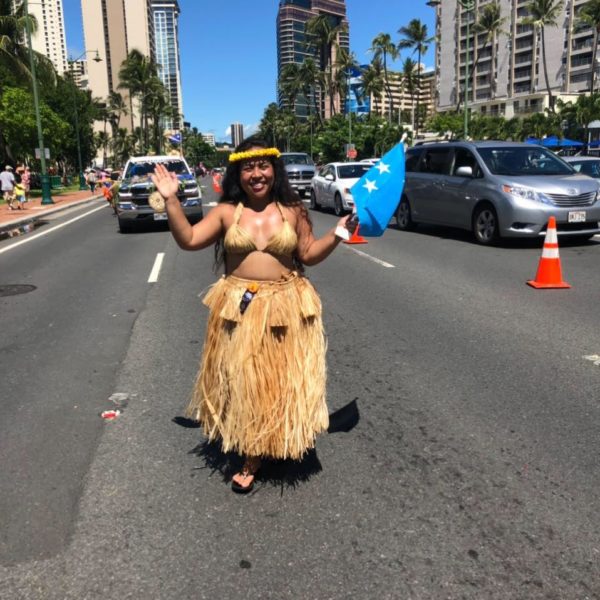
Carolann carl2
© Sou’sed Productions

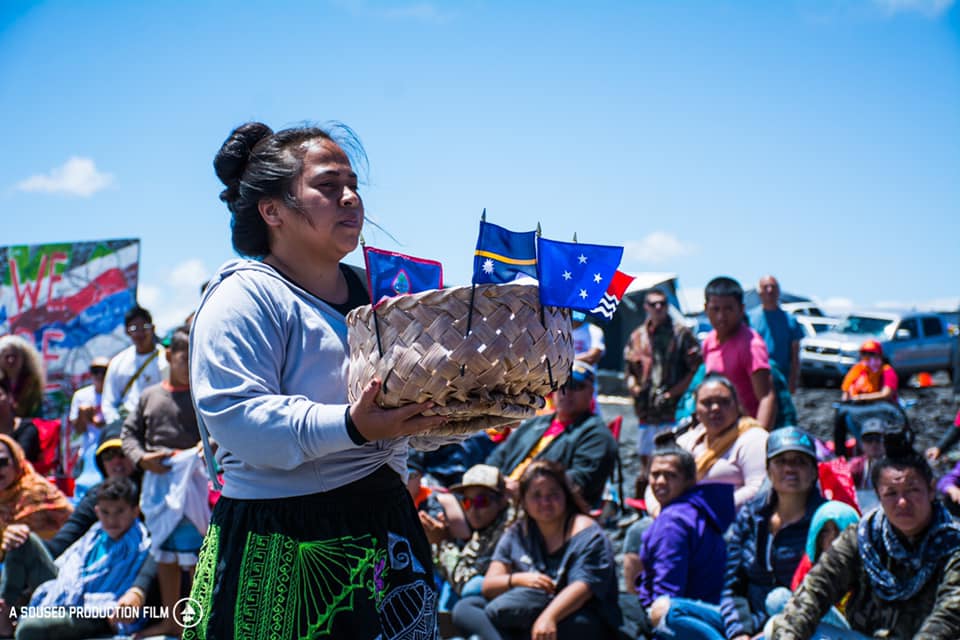
Carolann Carl beautifully tells the story in a poem—Keilahn Aio: On the Other Side of Yesterday (a poem) —that she wrote and performed at the University of Hawaii at Manoa’s Fall 2018 Open Mic Poetry Slam Night. Carolann Carl is a Pohnpeian woman currently attending the University of Hawai‘i at Mānoa majoring in biochemistry. Using an innovative method to share her experience in Hawaii as a COFA immigrant, Carolann harnesses the story of the courageous voyage of our ancestors that led to Pohnpei’s creation to deconstruct the misconceptions on her Hawaiian community. Addressed to islanders and useful to any audience, this is a humble poem that exemplifies one form of an eye-opening perspective on a controversial subject.

Watch: Carolann’s Video

CarolannCarl1
© Carolann Ligohr Carl

On National Immigrant Day, we celebrate migration and its significant role in ALL ecosystems.

Here at Ocean Conservancy, we advocate for a healthy, ever-flowing ocean that holds our Pacific bluefin tuna and countless other marine species that migrate long distances as a crucial part of their survival. We promote the well-functioning ocean today whose same currents carried my ancestors years ago to the islands.

We also seek to protect our ocean whose waters that sweep over the coastal reefs of Pohnpei are the very same waves that wash the shores of this country that many have come to call home.

The post A Voyage That Ended, An Ideology That Endures appeared first on Ocean Conservancy.


from Ocean Conservancy https://ift.tt/3411K1s https://ift.tt/eA8V8J

Friday, 25 October 2019

Hold the Guacamole: Florida Making Important Steps in Combating Harmful Algal Blooms

Over the past few years, Floridians have become unpleasantly familiar with repeated noxious harmful blue-green algal blooms that have plagued rivers and estuaries, killing fish and shellfish, fouling boats and undermining the tourism economy. We’ve become so familiar, that we’ve nicknamed the thick, fluffy green plumes of blooming cyanobacteria something a little more descriptive: Guacamole Algae.

But in recent days, Florida has taken some critically important steps in alleviating the impacts of Guacamole Algae. The Blue-Green Algae Task Force, created by Governor DeSantis and funded by the state Legislature in early 2019, issued its first consensus report on October 11. It recommends strategies for reducing nutrients flowing into Florida’s lakes, canals and estuaries that fuel harmful blue-green algae blooms.

The Task Force commendably focuses on the most critical issues, providing a road map of how to reduce nutrients that fuel toxic blooms through changes to regulations and management actions. And Ocean Conservancy provided a list of recommendations to the task force that focused on reducing impacts to the marine and coastal environment of Florida, all of which were hankfully included in the consensus report.

And these recommendations could not have come sooner. As of last week, the Department of Environmental Protection reported 49 blooms of blue-green algae in the state, including several in Lake Okeechobee. Some scientists speculate that blue-green algae might even be a source of food for the organism responsible for red tide, which has recently re-appeared this month off Southwest Florida.

While blue-green algae occur naturally in aquatic ecosystems, some species can grow into toxic mats when excess nutrients from agriculture, failing septic tanks and sewer and stormwater treatment systems leach into waterbodies. Increasing temperatures and changes in precipitation patterns driven by climate change also create conditions favoring blooms. The Caloosahatchee River and St. Lucie River estuaries and their waterfront-based economies have been hit especially hard when freshwater discharges from Lake Okeechobee or runoff from local coastal basins, combined with low tidal flushing and climate change effects, trigger estuary blooms. The algal mats are not only unsightly, but they create a neurotoxin, Microcystin, harmful to people, pets, livestock and wildlife.

A common theme in the Task Force recommendations is strengthening the effectiveness of restoration activities and best management practices for reducing nutrient loads. For instance, the Task Force recommends improvements to Basin Management Action Plans—blueprints for restoring impaired waters—aimed at maximizing pollutant reductions in strategic focal areas. For agricultural producers, the Task Force recommends increasing their enrollment in the Best Management Practices program and collecting data to verify ‘presumed’ BMP compliance with water quality standards. Importantly, the Task Force tackled septic tanks, which are currently not regulated for nutrient discharges. A new inspection and monitoring program to detect leaky tanks and stem the flow of nutrient pollution is recommended.

The Task Force also recognizes the importance of water storage and treatment infrastructure for managing freshwater flows and achieving water quality goals. This recommendation reinforces Everglades restoration priorities intended to limit harmful freshwater discharges to the Caloosahatchee and St. Lucie estuaries while making more of that water available for the Everglades and Florida Bay.

Now, armed with the Task Force’s initial recommendations, the ball is in the Legislature’s court where the recommendations must be passed into law. And just this week, Governor DeSantis has promised to unveil a barrage of water quality legislation that will do just that.

It’s an all hands on deck moment for Florida’s water resources. If you’re a Floridian, a visitor to Florida or simply love clean water and healthy oceans, you should care about fixing the conditions that have created the Guacamole Algae problem. That’s why Ocean Conservancy is committed to continuing to work with the Task Force, state agencies, the Legislature and Governor DeSantis to usher forward meaningful policy and regulatory changes that will protect the precious water that makes Florida such a unique and special place.

The post Hold the Guacamole: Florida Making Important Steps in Combating Harmful Algal Blooms appeared first on Ocean Conservancy.


from Ocean Conservancy https://ift.tt/2MNFceF https://ift.tt/eA8V8J

Thursday, 24 October 2019

Six Blue Parks Join the Growing Network of Global Ocean Refuges

[October 24, 2019. Oslo, Norway]  Today at Our Ocean Conference in Oslo, Norway, Marine Conservation Institute and its international science council awarded six outstanding marine protected areas (MPAs) Blue Park designation. A total of 16 MPAs now hold the prestigious Blue Park Award indicating that they meet the highest science-based standards for marine life protection and management. The Blue Park Award recognizes outstanding efforts by nations, non-profits, MPA managers, and local stake-holders that effectively protect marine ecosystems now and into the future.

“Our goal is to recognize those MPAs that deliver on biodiversity conservation, really protecting our ocean environment and inspiring others around the world to strongly protect at least 30% of the ocean’s most important places by 2030,” said Dr. Lance Morgan, President of Marine Conservation Institute. “Blue Park recognition provides regional examples of successful efforts and serves as a road map for others as we strive to protect our oceans for generations to come.”

After months of rigorous review by Marine Conservation Institute and an independent scientific panel, today’s announcement welcomes the following Blue Parks to a growing network of global ocean refuges (See this link for detailed information on each Blue Park and the system of parks: https://marine-conservation.box.com/s/xfh3bs9tn0ydh2c45vkdzq5vrz367l7p.)


  • Aldabra Atoll Special Reserve, Seychelles, size in 2,559 km2 and 988 mi2


  • Area Marina Protetta di Torre Guaceto, Italy, size in 22 km2 and 9 mi2


  • Arnavon Community Marine Park, Solomon Islands, 169 km2 and 65 mi2


  • Marine Protected Areas around the Northern Channel Islands, California, USA, 3,804 km2 and 1,469 mi2


  • Parque Nacional Isla del Coco, Costa Rica, 2,011 km2 and 777 mi2


  • Reserva Marina de Galápagos, Ecuador, 138,000 km2 and 53,282 mi2


Total Area for 2019 Blue Park Awardees is 146,565 km2 and 56,590 mi2

“Blue Parks are the antidotes to the barrage of threats to life in our oceans,” said Dr. Sarah Hameed, Senior Scientist of Marine Conservation Institute. “MPAs may not be able to stop climate change impacts immediately, but strong protected areas in the right places today will enable ecosystems to recover and build resilience for the future.”

An international council of marine scientists evaluates MPAs nominated for the Blue Park Award and determines which ones meet the standards. The Blue Park Award criteria are based on what scientists have learned about what works to safeguard marine ecosystems. The evaluation of each nominee includes location, design, management, regulations and compliance to select MPAs that effectively protect the world’s most valuable and critical ecosystems.

“This is a time of great peril for ocean life as it faces off against increasing marine industrialization and climate change,” said Professor Douglas McCauley of UC Santa Barbara, Director of the Benioff Ocean Initiative and a member of the international science council for Blue Parks, “Blue Park Awards are shining a light on protected areas that are leading efforts to protect marine biodiversity and help promote resiliency to climate change impacts.”

A growing number of countries and conservation organizations are encouraging the creation of hundreds of new protected areas to reach the world’s Sustainable Development Goal (SDG 14) of protecting 10% of our oceans by 2020 and the proposed goal of at least 30% by 2030. Marine Conservation Institute is working to ensure as many MPAs as possible meet the high conservation standards of Blue Parks.

“Many of today’s marine protected areas are not effectively protecting the best places,” continued Dr. Hameed. “They’re often ‘paper parks’ appearing to meet commitments but lacking substance. Achieving a Blue Park Award requires meeting science-based standards we know will protect the oceans for generations to come. If we elevate and bring recognition to Blue Parks, we believe it will encourage more countries and leaders to meet this critical standard going forward.”

Today’s 6 winners join 10 prestigious 2017 & 2018 awardees. The network now includes 16 Blue Parks covering 1,669,388 km2 or 644,404 mi2 of ocean (approximately the size of Alaska or Iran, or 3 times the size of Kenya). These outstanding marine protected areas are securing lasting protection for marine biodiversity and their hard-won recognition has already inspired others to work towards a Blue Park Award. Nominations for the 2020 awards can be made through mid-March. Visit blueparks.org to find out how your marine protected area can become a Blue Park.

About Blue Parks

Marine Conservation Institute works with existing and new MPAs to ensure they are well- designed, effectively managed, protect our oceans and deliver on their commitment to protect marine biodiversity for generations to come. MPAs that meet these standards can achieve a Blue Park designation, the highest award of conservation excellence.

Blue Park Awards were established by the Marine Conservation Institute to encourage governments to safeguard marine wildlife, secure critical habitats, promote resistance to climate change, and ensure the beauty of our oceans for future generations. The effort aims to assemble an effective network that protects and sustains marine life and habitats globally. Today there are 16 marine protected areas that have been awarded Blue Park status. In addition to awarding six new Blue Parks today, Marine Conservation Institute has launched collaborations with groups planning new marine protected areas in Argentina, Chile and Mozambique to ensure their efforts result in future Blue Parks.

About Marine Conservation Institute

Marine Conservation Institute, founded in 1996, works in the U.S. and globally to seek strong protection for at least 30% of the ocean by 2030—for us and future generations. Our focus on protecting the ocean’s most important places follows several lines of work: identifying and advocating for strong marine protected areas; improving laws and other tools to better conserve marine biodiversity; catalyzing effective conservation by recognizing and elevating the best marine protected areas as Blue Parks; and accurately reporting on conservation efforts with our Atlas of Marine Protection (MPAtlas.org). 

For more information, contact Dr. Sarah Hameed: Sarah.Hameed@marine-conservation.org


from On the Tide https://ift.tt/364dqCg https://ift.tt/2Wf3NMO
Cleaning Up Our Hidden Shorelines

This blog was written by Chelsea Rochman, Assistant Professor at the University of Toronto, co-founder of the University of Toronto Trash Team and Scientific Advisor to the Ocean Conservancy; and Susan Debreceni, the Outreach Manager and co-founder of the University of Toronto Trash Team. 

As you wander around the neighborhoods of downtown Toronto, it’s likely that the shores of Lake Ontario are the furthest thing from your mind—but the shoreline is closer than you think. That’s because we all live in a watershed, where creeks, streams and rivers lead to oceans and lakes. Here at the University of Toronto (a downtown and inland location), we are connected to Lake Ontario via storm drains, so it was the perfect location to host an International Coastal Cleanup and connect our local community to our local watershed.

More than just a typical cleanup

The morning started on campus at Hart House Circle, where a team of eager Trash Team volunteers gathered to set up for the day and greet student and community volunteers before grouping them into small teams. These teams were then encouraged to keep a record of what they found by recording their findings on data cards as part of the Great Canadian Shoreline Cleanup. These findings are important citizen science contributions that can be used to inform best practices for future waste management.

We were also joined by friends and collaborators to set the tone for the big day. Bear Standing Tall opened the cleanup with an opening prayer, local City Councillor Mike Layton sent words of support for our team to share, and Geoff Wilson (CEO of PortsToronto) spoke about the importance of protecting Lake Ontario, including some exciting updates on their plans to install Seabins in the waterfront. And with these welcoming words, our teams were sent off to clean!

What did we find?

Based on past cleanup experiences, we predicted some classic repeat offenders would top the list once again, and as it turns out our predictions were correct. Cigarette butts were easily the number one item found (more than 7,000!), followed by miscellaneous scraps of paper, small plastic pieces, food wrappers and plastic bags. Honorable mentions included bottle caps, miscellaneous packaging materials, various personal hygiene items and coffee cups. One of the most unpredictable things about the cleanup was guessing how many people would show up, and we were thrilled with a turnout of 80 volunteers! Together, they removed more than 50 kg of trash from our local watershed, filling nearly 50 bags of garbage and recycling!

What made the day most memorable?

It’s always tricky to pinpoint the most memorable part of a day where nearly every moment was incredible, but there were definitely a few standout moments to share. Volunteer teams were encouraged to come up with creative names for their group and they sure did not disappoint, including such creations as the Trash Pandaz, Cigarette Butties, Alvin and the (crumpled) Chip Bags and Dumpster Defenders. Another great moment that happened throughout the day was when passersby expressed their thanks to our volunteers for keeping the neighborhood clean. All in all, it’s safe to say that the most memorable part of the day for everyone was seeing just how big of a difference they could make in such a short timeframe.

We’re already counting the days until next year’s International Coastal Cleanup event, but there is no reason to wait 365 days to make a difference. Every day we wander our watersheds, so this year we challenge you to clean a piece of your watershed every day by removing one item of litter from a roadside, park or local creek. If someone asks you what you are up to, tell them you are cleaning the oceans and lakes, because no matter where we are, we are always in a watershed.

If you want to stay up to date on all things Trash Team, follow us here. See you at the next cleanup!

This project was undertaken with the financial support of Environment and Climate Change Canada and Ocean Conservancy.

Chelsea leads the Rochman Lab at the University of Toronto, investigating the ecological implications of plastic debris in marine and freshwater habitats. She has published dozens of scientific papers in respected journals, led international working groups on plastic pollution, and participated in policy meetings regarding local and international plastic waste strategy. Through research, education, public engagement and policy, the Rochman Lab advances solutions to the serious challenge of aquatic plastic pollution.

Susan is passionate about connecting individuals with meaningful opportunities and spent the last decade supporting a national network of community volunteers through the Great Canadian Shoreline Cleanup. She now leads outreach programming with the University of Toronto Trash Team, guiding and mentoring a team of undergraduate, graduate and postdoc students to bring waste literacy to local schools and the general public.

The post Cleaning Up Our Hidden Shorelines appeared first on Ocean Conservancy.


from Ocean Conservancy https://ift.tt/2MGVLZS https://ift.tt/eA8V8J

Guest Blog: Gili Shark Conservation’s Coral Restoration Project

A new coral restoration project on the Gili Islands has been launched to help restore coral reefs, and educate others on the importance of protecting our oceans. The project is underway and the team are using science to help improve further coral research and coral reef monitoring techniques.

Coral restoration efforts are becoming increasingly important, as more knowledge is constantly revealed about the coral reefs and the increasing threat of coral bleaching brought along by global warming. Coral reefs have suffered significant impacts over recent years as a result of the impact of human and natural disturbances on their biodiversity and ecosystem functioning. These ecosystems are fragile and sensitive to changes in their environment and are at greater risk of degradation than other marine systems. With a significant decline in the health and fitness of the coral reefs around the world, it is now considered to be a crisis at a global scale.

“Through research, we have been able to estimate that over 50% of the corals around the Gili Islands have been lost. The Gili Islands is an important location for a coral restoration project because of its touristic attraction. We don’t only have the chance to recover some of the pristine coral reefs, but also to spread awareness about the importance of coral reefs and be role models in the field.” Andre Saputra, Lead Scientist at Gili Shark Conservation.

Coral restoration has shown promising results around the world, with the closest example being the coral restoration project of Blue Corner Dive Center in Nusa Lembongan in Bali. The method called coral micro fragmentation has been successful there and has now begun in the Gili Matra Marine Recreational Reserve (GMMRR).

Gili Shark Conservation’s project mission is to restore coral reefs around the Gili Islands in Indonesia, to educate others on the importance of our oceans, and to use science to further coral research and coral reef monitoring techniques.

The project has comprised of multiple stages so far. The initial stages of the project entailed building the hex domes. These were constructed with locals, created out of iron bars. Then, the domes were coated with sand and epoxy to make a comfortable new home for coral to live and grow on. Through this process, locals were educated about the project.


Once prepared, the hex domes were dropped into the ocean. The restoration sites were selected by Gili Shark Conservation due to their importance as a nursery for Blacktip reef sharks and as home to a diverse and abundant range of fish species, according to RUV (roving underwater video) footage. They are very rich reefs and a perfect place for coral to grow (good water circulation etc). The restoration site was damaged and the goal is to restore it to its initial condition. Once in place, the qualified scuba divers started ‘coral gardening’. First, they harvested corals, by collecting lots of broken coral. Then the corals were fragmented, taken to the restoration site, and attached to the hex domes. Some domes have one species of coral attached and some have two, as an experiment to see if they will grow quicker due to competition for space.


The sites are under scientific monitoring to establish the success of the project as it continues. Harvesting broken corals ready for fragmenting The International SeaKeepers Society Asia Achievement Award In April, the Gili Shark Conservation Project was awarded The International SeaKeepers Society Asia Achievement Award, which recognizes an organization in Asia that demonstrates a responsibility towards the health of Asia’s marine environment. As part of the award, The International SeaKeepers Society committed to funding the first 30 hex dome structures of the coral restoration project of the Gili Shark Conservation Project. The award has provided the Gili Shark Conservation project with an amazing opportunity to help restore damaged reefs which are extremely important to a range of marine life. This is a wonderful example of different organizations from all corners of the globe working together to achieve something good, and something bigger than the sum of each of the individual parts.

Find out how you can join Gili Shark Conservation and contribute to their important work on these island by visiting their expedition page.

For more information about Gili Shark Conservation visit their website.


from WiseOceans blog – WiseOceans https://ift.tt/2JkvLkP https://ift.tt/2MJ7RSk

Wednesday, 23 October 2019

5 Seafood Traditions Around the World

People all over the world, from the Arctic to the Caribbean and from the Midwest to coastal cities, eat seafood. In fact, three billion people rely on seafood as their primary source of protein—that’s 40% of the world’s population!

But seafood is much more than just food. Seafood, and the fishers who provide it, can have an important role in religious ceremonies, local traditions and cultural identities. As we celebrate National Seafood Month this October, we want to take a moment to recognize the role seafood plays in communities around the world—and remember the important work left to do to ensure fish populations stay healthy for future generations.

Here are five holidays and traditions from around the world that feature fabulous seafood dishes.

Chinese New Year

Chinese_New_Year_decorations_3_(6810543350)_sm
© Ivan Bandura

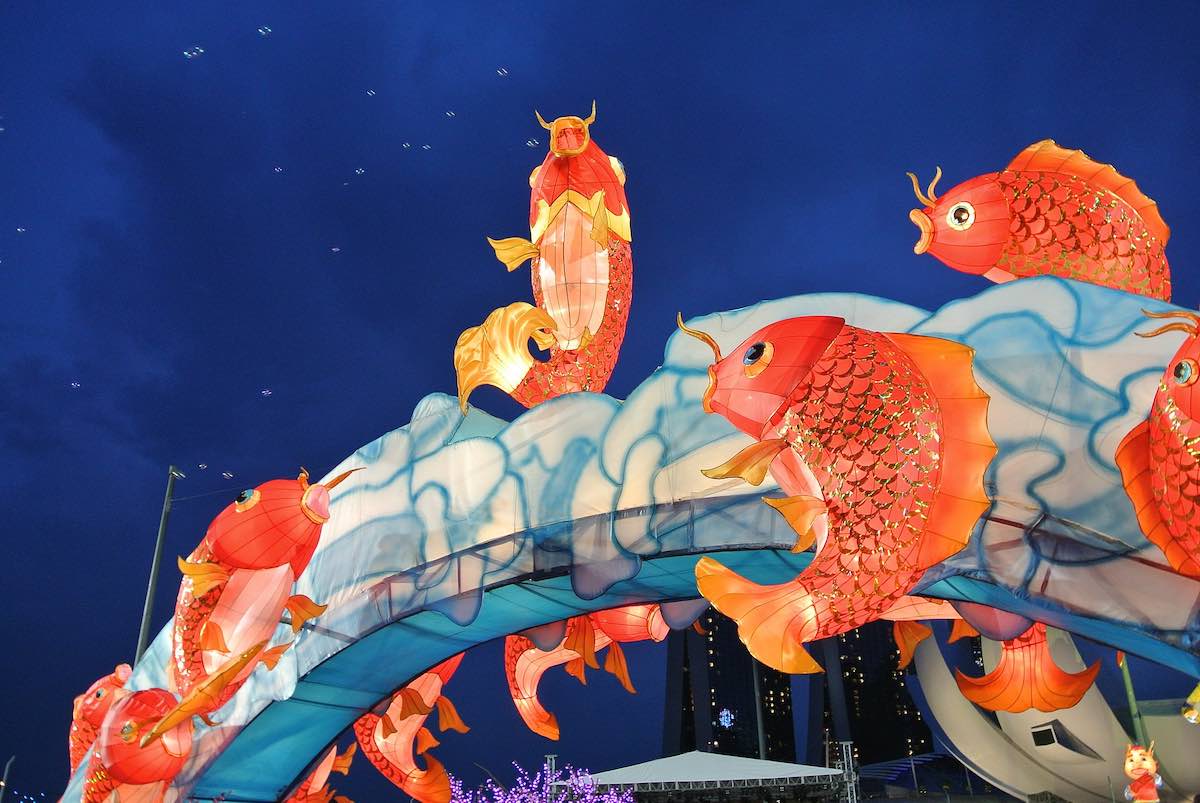
Different pronunciations of the Mandarin word yu can mean different things, including both “abundance” and “fish”. During Chinese New Year, fish symbols and dishes are common as people make wishes for a happy, healthy new year. There is also a Mandarin phrase that well-wishers share on the holiday: niannian you yu (年年有魚), or “may there be surpluses/may there be fish every year”.  As a result, fish dishes are a staple of New Year dinners, and some even save portions of their dinner for the next day to carry the “surplus” into the new year.

Mardi Gras

7033592839_c6c3e4f860_k_SM
© Mega Hammond

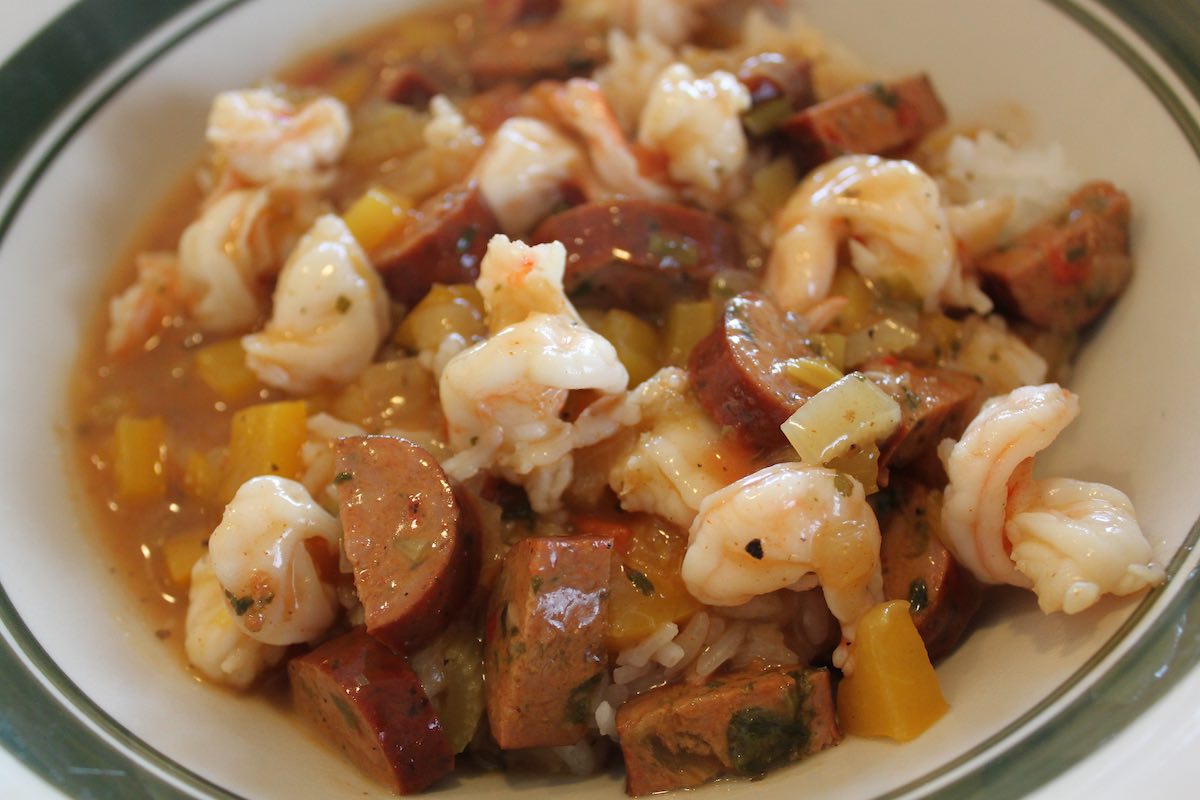
There are a lot of things to love about Mardi Gras: the music, the costumes and the food. You can’t talk about the holiday (or Louisiana, for that matter) without mentioning the hearty, seafood-based dishes that make it famous. Gumbo is a thick stew that can be made with oysters, shrimp and crab and is the official state cuisine of Louisiana. Other dishes, like shrimp and grits, shrimp etouffee, oyster po’ boys and crawfish, show off the region’s creole and Cajun flavors while highlighting their fresh local seafood. Mardi Gras is a chance to show off the region’s unique seafood dishes—all of which depend on sustainable Gulf coast fisheries.

Feast of the Seven Fishes—Christmas Eve

Feast_of_the_Seven_Fishes_6sm
© GW Fins

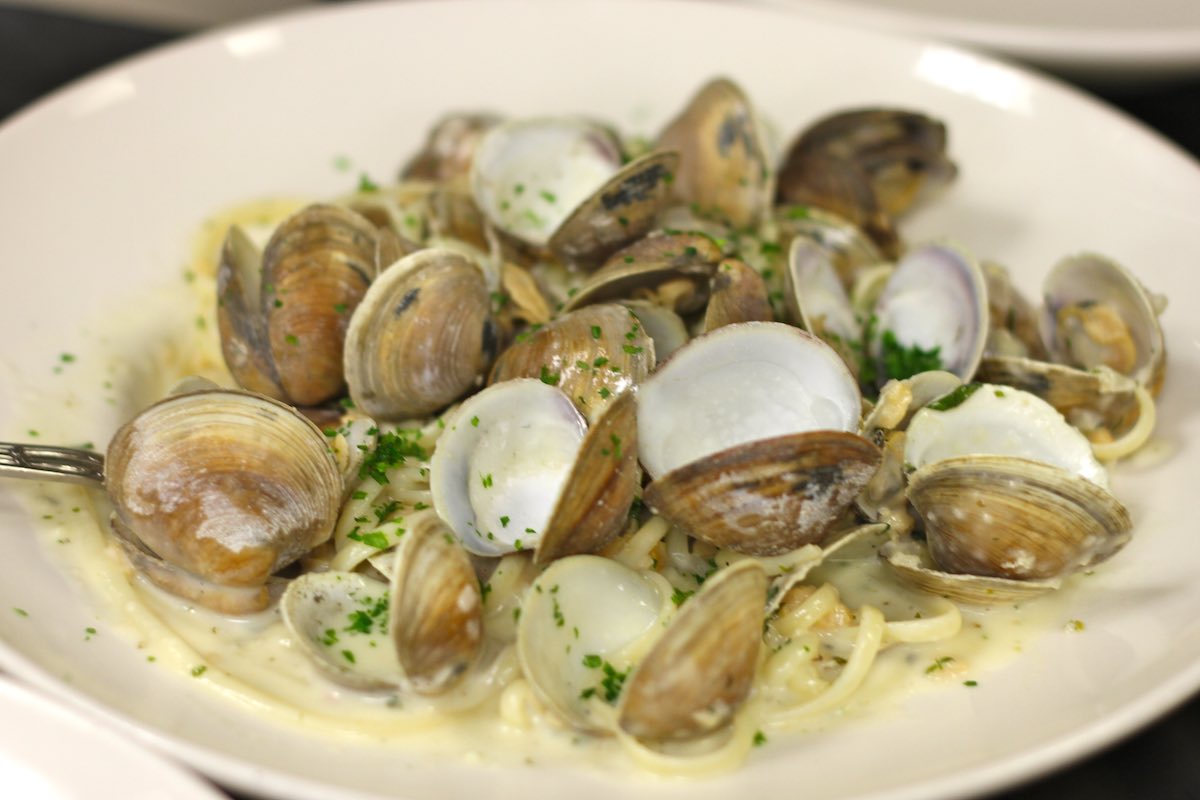
This Christmas Eve tradition has its roots in Italian and Italian-American culture, and is named for the seven courses of the seafood meal. It originated from the Roman Catholic practice of not eating meat and dairy the night before major holidays, and has turned into a much-loved tradition (and excuse to cook some incredible dishes). Some spend weeks or months preparing for the big event. Dishes vary between families, but can include pasta with shellfish, seafood stew, baked fish, squid, salmon dip, sea scallops, mussels and lobster (essentially, any seafood is fair game!). It’s also a way to celebrate the culinary traditions of different regions of Italy—as long as it includes seafood.

Bengali Weddings

Fish_as_a_gift_in_bengali_wedding_sm
© শক্তিশেল

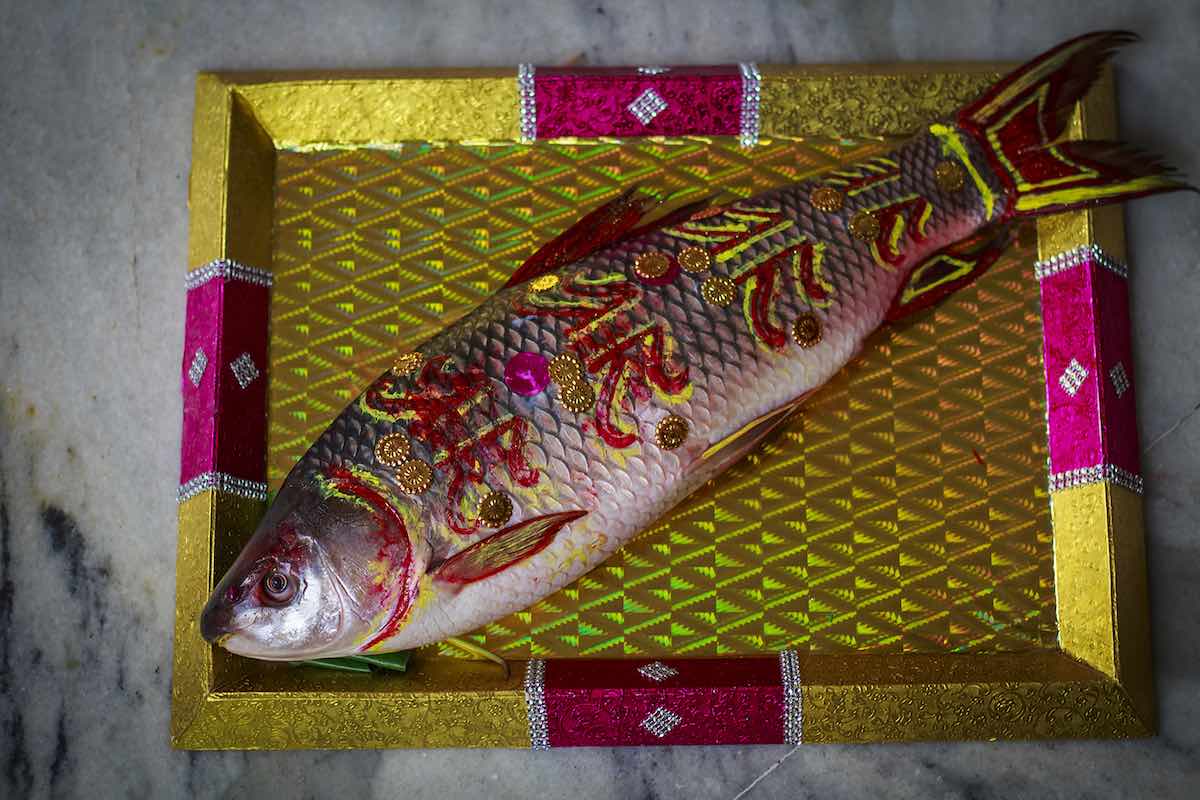
Bengali weddings are elaborate affairs, with well-known traditions around rituals, food and attire. Fish is served throughout the 3-4-day event, where guests are treated to lobster, fried fish and seafood curry. It’s also traditional for the in-laws to give the new bride a fish as a sign of good luck and success in their marriage. Then when the bride enters her new home, she is shown a fish to symbolize the start of the new phase of her life. Whether it’s being consumed by celebrating guests or used in a symbolic ritual, seafood plays an integral part in the traditional Bengali wedding.

Scandinavian Christmas

2139162311_5a62d615f1_b_sm
© Brian Moen

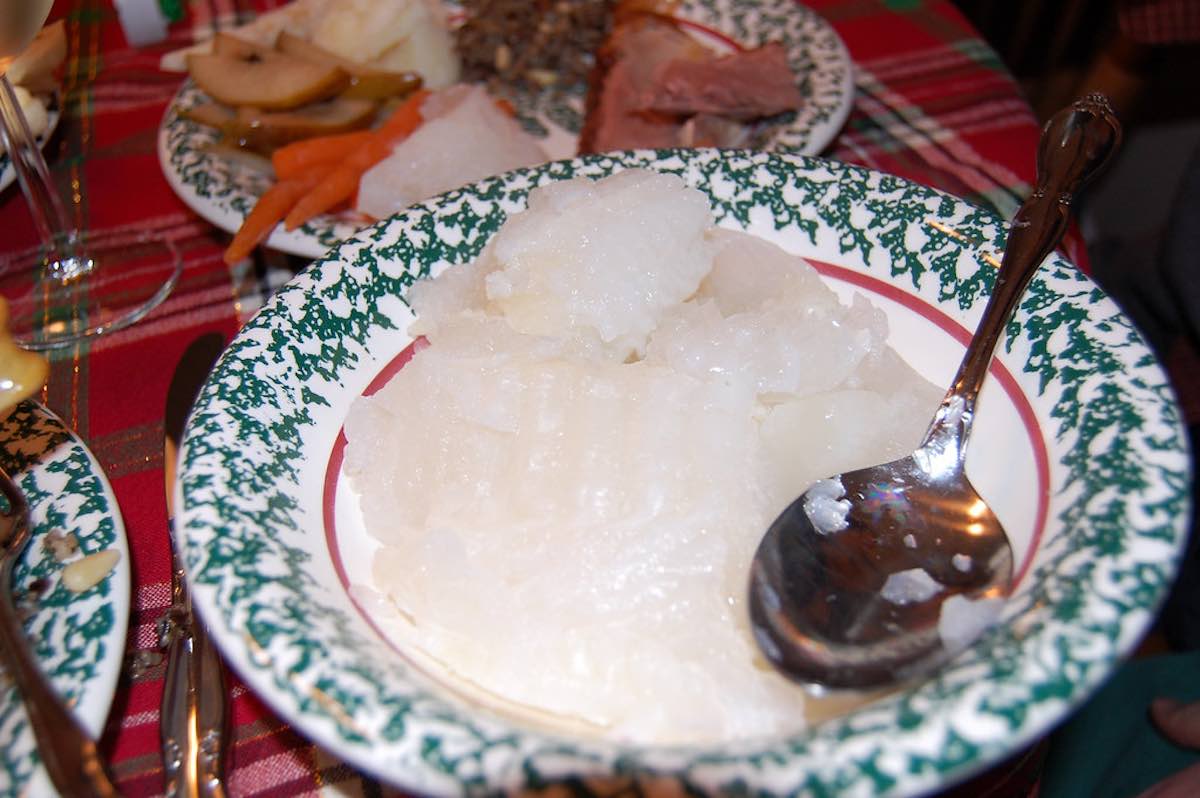
Scandinavians have a Christmas tradition that involves eating lutefisk, or dried whitefish treated with lye. Lye, if ingested on its own, can cause chemical burns or even death; however, lutefisk is not toxic. In fact, the state of Wisconsin explicitly exempted lutefisk from its list of toxic substances. Dried whitefish, such as cod, is soaked in water for up to six days, then soaked for another two days in a solution of water and lye. The result is a gelatinous fish blob that is salted and baked or steamed. Legend has it that it’s a Viking tradition, and is especially popular in the Midwestern United States.

These rich seafood traditions rely on healthy fish populations that support the careers of sustainable fishers and the livelihoods of fishing communities. Join Ocean Conservancy as we strive to keep our ocean healthy and our fisheries thriving. Check out how we’re taking action today.

The post 5 Seafood Traditions Around the World appeared first on Ocean Conservancy.


from Ocean Conservancy https://ift.tt/2BAzTZV https://ift.tt/eA8V8J

Tuesday, 22 October 2019

SCGIS - The Allen Coral Atlas: A new map for coral conservation

Register here: https://register.gotowebinar.com/register/8030776156737192972  

Date/time: Thursday, October 31 at 10am PT/ 1pm ET

Presenter: Helen E. Fox, Ph.D. Senior Director, National Geographic Society

Project Co-Authors: C.M. Roelfsema, B. Bambic, R. Borrego-Acevedo, B. Free, P. Gerstner, E. Kennedy, E. Kovacs, K. Markey, K. Rice, G. Asner, S.R. Phinn, C. Whiton, A. Zolli


from OpenChannels News https://ift.tt/2o8rfhV https://ift.tt/eA8V8J

What Kansas Can Teach Us About NOAA

If you asked most people in America which states depend on the ocean, Kansas would probably not top the list. No beaches. No ports. No ...